World Test Championship: Nine Teams Remain Until 2031
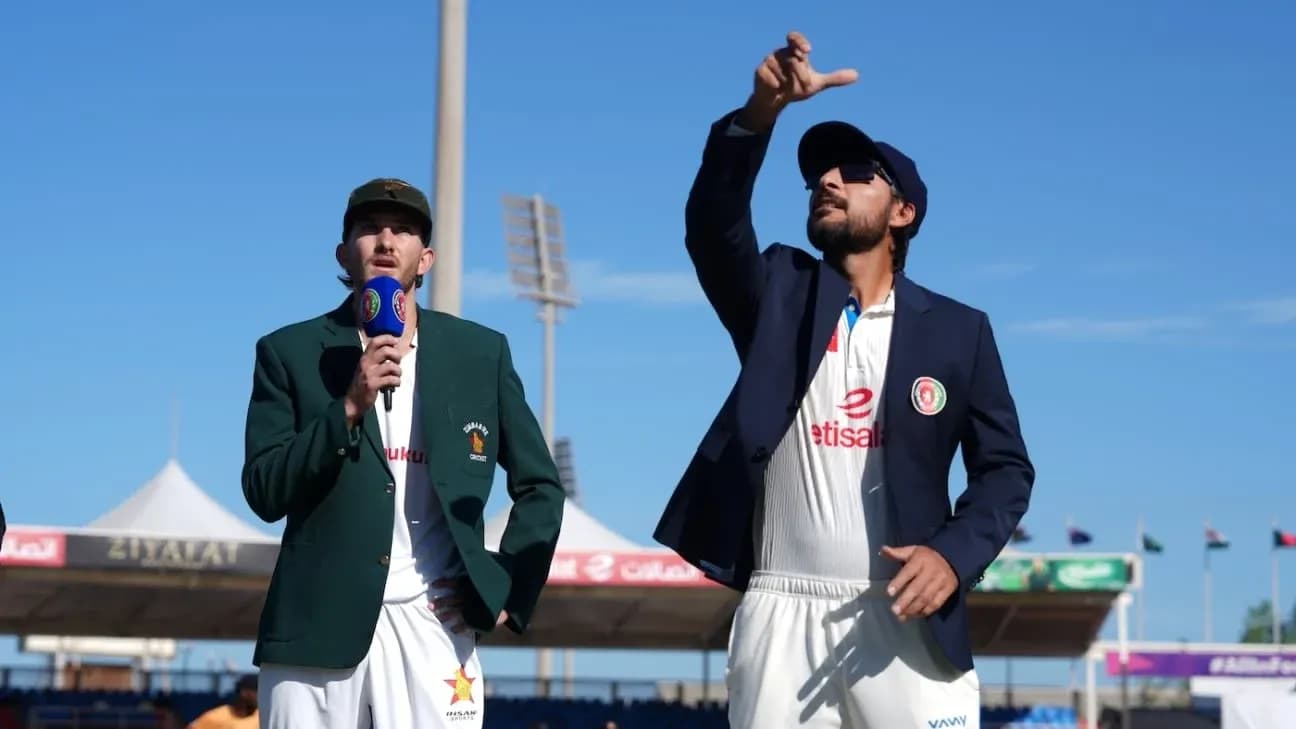
The World Test Championship (WTC) is poised to stay exactly as it is – nine teams, one division – through to 2031, even as pressure mounts from the fringes of the Test world for a bigger table and a fairer fight.
On Sunday in Bali, the ICC board will gather for an all-day meeting that has been a long time coming. Expansion of the WTC has hovered over the international calendar for years; this is the day it finally gets a verdict. The expectation from inside the corridors is blunt: the board will side with its own recommendations and lock in the current structure for the 2027-29 and 2029-31 cycles.
For Zimbabwe, Ireland and Afghanistan, that will feel like the door slamming shut. Again.
A nine-team club that won’t open up
The WTC, now deep into its fourth cycle, has never shaken off the arguments around its shape. Ideas have come and gone – including a flirtation with a two-tier league – but the basic model has survived: nine Full Members, playing bilateral series that feed into a league table, with only the final itself run centrally by the ICC.
Over the past year, the most serious challenge to that model came from within. An ICC working group led by former New Zealand batter Roger Twose pushed a proposal to expand the WTC to all 12 Full Members in one division. It was not a fringe idea. It gathered momentum, and it gave those outside the current nine something tangible to cling to.
Zimbabwe, Ireland and Afghanistan backed it fiercely. For them, this was not just a structural tweak. It was a pathway. A chance to tie their Test futures to a defined competition rather than a patchwork of opportunistic fixtures and one-off encounters.
But the numbers have not lined up. Key members remain unconvinced that adding three more teams brings enough commercial upside to justify the extra travel, scheduling complexity and broadcast risk. Because the WTC is still built on bilateral arrangements, any expansion would demand more from boards already guarding their calendars and budgets carefully.
So the ICC, wary of overreach and unconvinced by the revenue projections, has leaned towards stasis.
Passion on the outside, hesitation at the core
The tone of the debate on the eve of the board meeting underlined how fraught the issue has become. Saturday’s Chief Executives’ Committee (CEC) meeting ran for more than four hours and turned into a genuine contest of visions.
Executives from Zimbabwe, Ireland and Afghanistan made what were described as impassioned pleas. Their case is simple and stark: without WTC status, their Test programmes are stunted. They do not just miss out on context; they miss out on opportunity. With no promotion-relegation system, they have no route into the top nine, no way to force their way into the club on merit.
Cricket South Africa added weight to the expansion camp. Chief executive Pholetsi Moseki was understood to have delivered a strong call to arms during the CEC, backing a broader competition and aligning with those who believe Test cricket’s long-term health depends on more than just the traditional powers.
Where the real power brokers stand is less clear. The positions of the BCCI and Cricket Australia have not been publicly nailed down, but their influence is obvious. Without their backing, any major structural shift becomes a hard sell.
England sit in a more complicated space. The ECB has made gestures towards the outer Full Members, playing Zimbabwe and Ireland in one-off Tests in recent years. Yet when it comes to formal expansion, the board is believed to be cautious, weighed down by concerns over travel costs, scheduling strain and the financial realities of a crowded calendar.
Zimbabwe’s hunger, a faint opening
That tension is captured neatly in England’s planned return to Zimbabwe. The ECB and Zimbabwe Cricket are close to finalising a historic tour that would end a three-decade absence. Originally pencilled in for 2028, it is now set for 2030 and is expected to include a Test at Victoria Falls – a striking symbol of what Zimbabwe still wants Test cricket to be.
Zimbabwe’s appetite is not in doubt. They played 10 Tests in 2025, an impressive volume for a side outside the WTC structure, though that figure has dropped to just two this year. The desire remains; the opportunities do not.
That hunger is one reason a sliver of hope still lingers for those pushing for change. There is talk of a compromise – a 10-team WTC instead of 12 – as a last, slim possibility. It would not solve everything. It would not answer Ireland’s and Afghanistan’s frustrations. But for expansion advocates heading into Sunday’s board meeting, it represents the only realistic opening left.
They are braced for disappointment. They know the odds.
The bigger picture on the table
While the WTC debate will draw headlines, it is only one piece of a broader strategic review of international cricket that will also land in front of the board in Bali.
A global management consulting firm, McKinsey, has conducted a deep dive into the sport’s three official formats and the future of the international game. Their findings were presented on Saturday night, setting the stage for a Sunday in which the ICC’s decision-makers must weigh not just one competition, but the shape of the entire calendar.
T20 leagues are expanding. Bilateral ODI series are under scrutiny. Test cricket fights for space, money and relevance. Against that backdrop, the WTC should be a flagship, a clear statement of what the longest format means to the game.
For now, that flagship looks set to sail on in familiar waters, with the same nine teams on board and three Full Members still watching from the shore, wondering how long they can wait for an invitation that never quite arrives.