England's Dominance in Adelaide: Banton and Team Shine
England’s mercurial one-day side chose Adelaide to remind everyone what their ceiling looks like.
Two days after being skittled for 131 in Perth, they thundered to 355-6, then ripped through Australia for 220 to seal a 135‑run win, level the series 1-1 and drag a chaotic winter back on course.
At the heart of it all: Tom Banton, finally batting like a man who knows the top of this order belongs to him.
Banton grabs his moment
Banton’s promotion to opener came by misfortune for Jacob Bethell and his knee. He is turning it into something far more permanent.
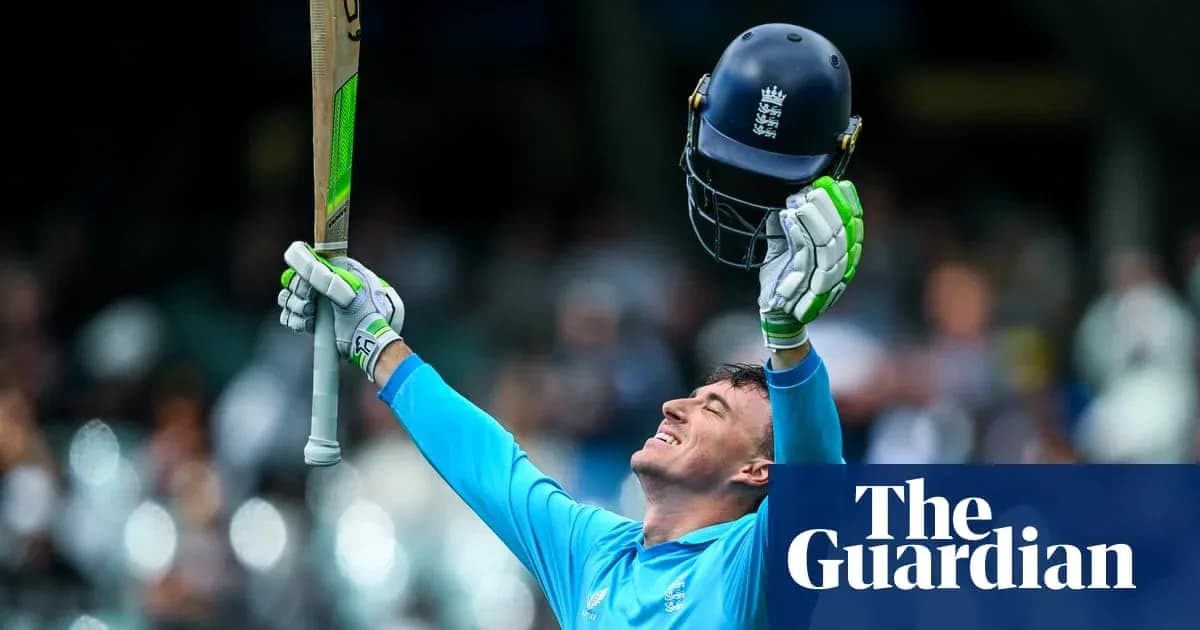
Here he carved a superb 121, his second ODI hundred in nine innings at the top, a run that also includes four fifties. That is not a purple patch. That is a case file for long-term selection.
It did not start smoothly. On 10, left-armer Spencer Johnson thudded a short ball into Banton’s helmet. The response was telling. Rather than retreat, Banton went after Adelaide’s short square boundaries, unfurling a series of authoritative pulls that defined his innings and England’s mood.
He added 137 with Joe Root, a partnership that calmed memories of Perth and steadied things after Ben Duckett slashed to point for nine. Root’s 62 was measured, almost understated, but vital. He absorbed pressure, turned strike, and left Banton to dictate.
Once set, Banton opened up the full range: drives down the ground, clean picks over mid-wicket, nimble work against spin. He eventually holed out at deep square-leg, one pull too many, but by then he had dragged England into a dominant position and, perhaps, into a new phase of his own international career.
The spot should now be his.
Cox and Jacks light the afterburners
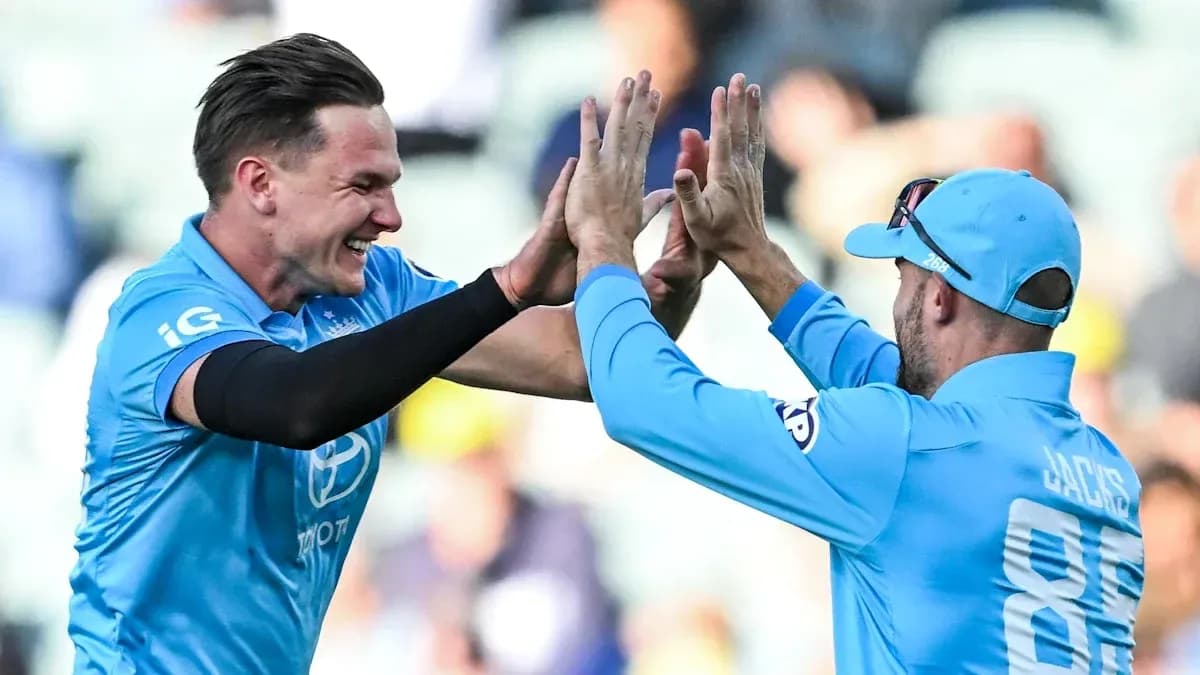
If Banton built the platform, Jordan Cox and Will Jacks strapped on the boosters.
England were 245-4 after 40 overs. Respectable. Not match-breaking. Cox and Jacks turned that into 355 with a brutal final assault, plundering 110 from the last 10 overs.
Cox, filling in for Jos Buttler and short of runs in recent games, produced 67 from 49 balls full of invention and nerve. He drove, cut, scooped and pulled, at times treating Adelaide Oval like his own training ground. A reverse scoop for four off Xavier Bartlett was outrageous, the sort of stroke that announces a player’s confidence has returned.
His arrival came in awkward fashion. Captain Harry Brook, on five, tried to ramp and only succeeded in deflecting the ball onto his stumps. A soft dismissal, and a potential wobble. Cox killed that notion quickly.
Jacks, unbeaten on 54, played the perfect foil then surged himself. He joined Cox after Banton’s dismissal and never let Australia settle, matching the tempo, picking gaps, and ensuring England did not waste their early dominance – especially with Mahli Beardman, Australia’s hero from the first ODI, rested.
By the time the innings closed, England had posted their highest ODI total in Australia. Two days after that Perth debacle, it felt like a different team.
Which, with this England side, is becoming a theme.
New-ball bite: Baker and Atkinson step up
The runs were imposing. The new ball made them crushing.
England’s white-ball attack has too often lacked incision up front. Sonny Baker and Gus Atkinson changed that script inside seven overs, reducing Australia to 29-4 and effectively ending the contest before the crowd had settled.
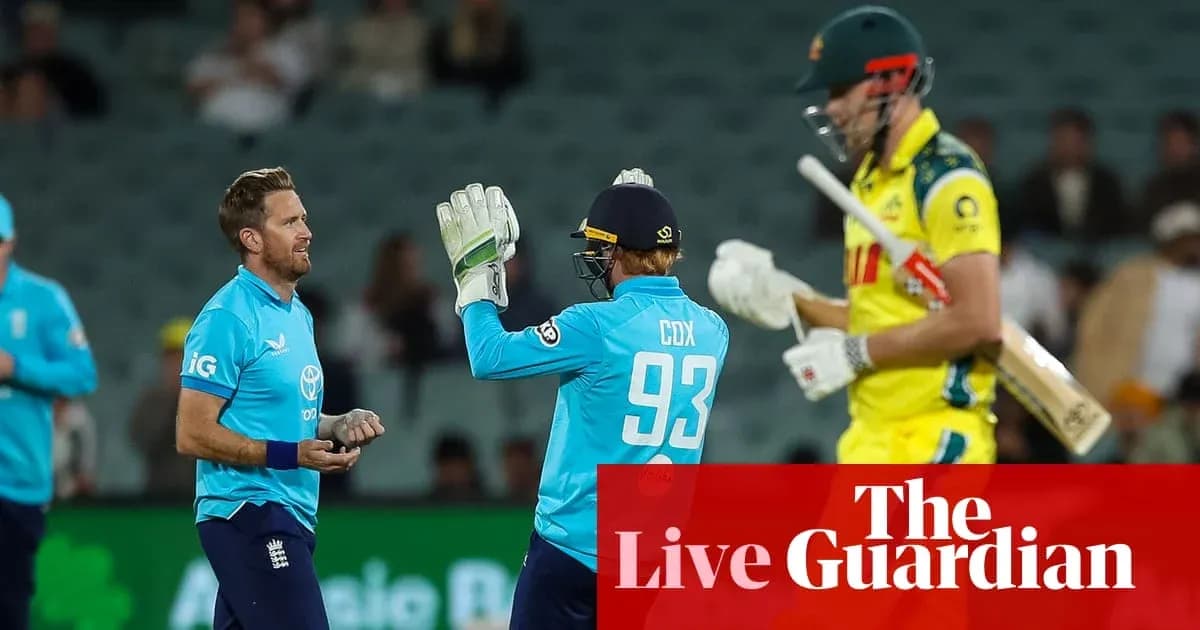
Baker, brought in for Jamie Overton specifically to address that new-ball issue, found sharp swing and immediate reward. He removed Australia captain Mitchell Marsh for two, Marsh nicking to slip where Joe Root flung himself high to take a superb catch. It was the kind of early strike England have been missing.
Atkinson, operating with brisk pace and a hint of nip, once again had Travis Head’s number. For the second match in a row he dismissed the left-hander, this time for seven, before nicking off Cooper Connolly and Josh Inglis. Both fell caught behind, both victims of Atkinson’s relentless probing just outside off stump.
His 4-28 – career-best figures – finally reflected the quality of recent spells that had gone unrewarded. This time, the scoreboard told the story.
Australia did not fold completely. England gave them chances. Four, in fact.
Inglis, Matt Renshaw and Cameron Green were all put down, and Renshaw (63) and Green (64) used those reprieves to stretch the chase and add some respectability. England’s fielding, so often a strength in their glory years, still flickered between sharp and sloppy.
But the damage had been done.
Curran’s response and Dawson’s control
As the innings wore on, England’s attack kept finding ways to hit back.
Liam Dawson, preferred again to Adil Rashid, offered control and subtle threat, finishing with 2-41. He operated as the glue in the middle overs, drying up scoring options and forcing Australia’s rebuild to stall.
Sam Curran, under scrutiny after a poor recent run, found a late burst. He struck twice in two balls, including bowling Jack Edwards with his looping slower delivery – the trademark “moon ball” that dipped and crashed into the stumps. It was a small moment, but a timely one for a bowler searching for rhythm and confidence.
Green’s unusual dismissal summed up Australia’s night. Strolling down the pitch, he was stumped when the ball deflected off Cox’s shin and onto the stumps. Even when they tried to counter-punch, fortune leaned England’s way.
Australia were eventually dismissed for 220 in 44.3 overs. England’s losing run in Adelaide – seven defeats on the bounce across formats – was over. So too a sequence of six straight 50-over defeats to Australia away from home.
A team still hard to read
This is the puzzle with this England ODI side.
They had already won three series this year before the bruising defeats in Rawalpindi, Lahore and Perth. They had failed to defend 430 against Sri Lanka. They had been undone by a freak last-wicket stand against Pakistan. They were rolled for 131 just 48 hours before this game.
Then they arrive in Adelaide and produce this.
Banton dominant. Cox reborn. Jacks ruthless. Baker swinging it. Atkinson ruthless with the new ball. Dawson tidy. Curran landing a late double.
These are the performances that hint at a genuine World Cup challenge next year. They also underline the frustration: England can look unstoppable one day, unrecognisable the next.
The series now goes to a decider in Hobart on Wednesday, with questions still hanging in the air. Can Banton lock down this opening role for the long term? Will Cox’s late surge keep him ahead if Buttler returns in January against South Africa? Can Baker and Atkinson turn one blistering night into a sustained new-ball era?
For now, one thing is clear: when the real England do stand up, as they did in Adelaide, they are a side nobody will want to face when the stakes rise.