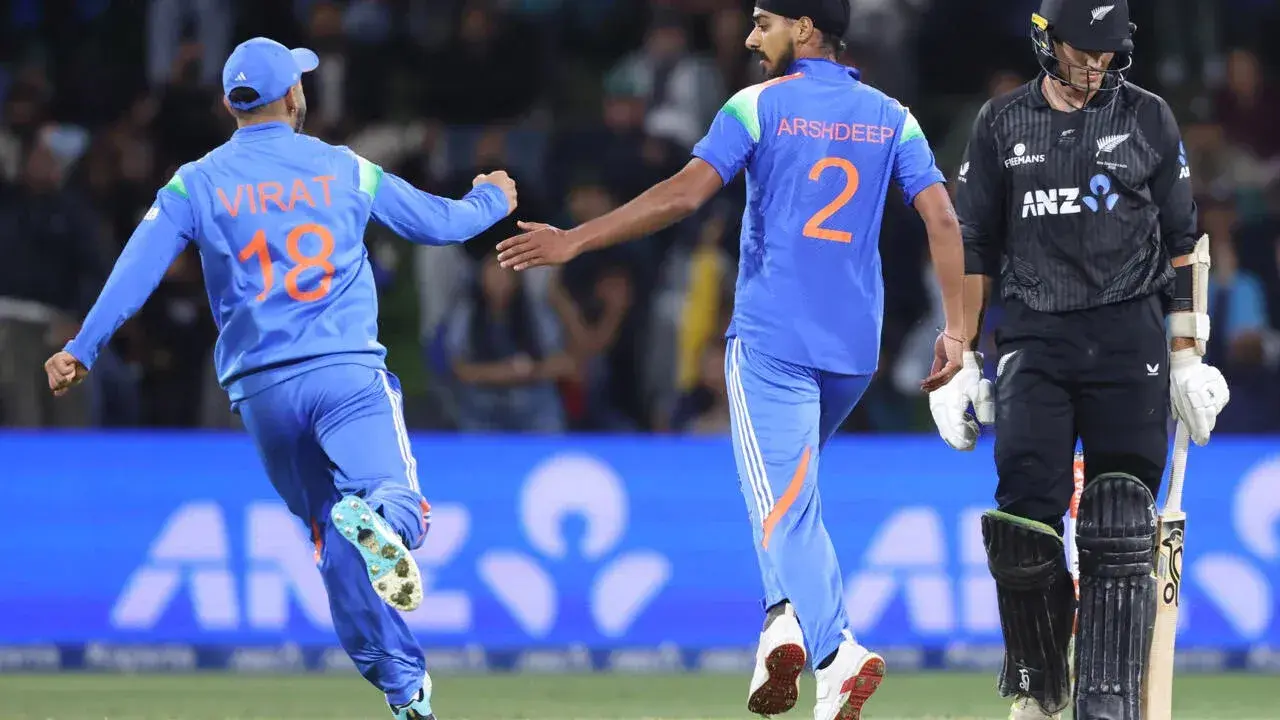
England Levels Series with Dominant Win in Adelaide
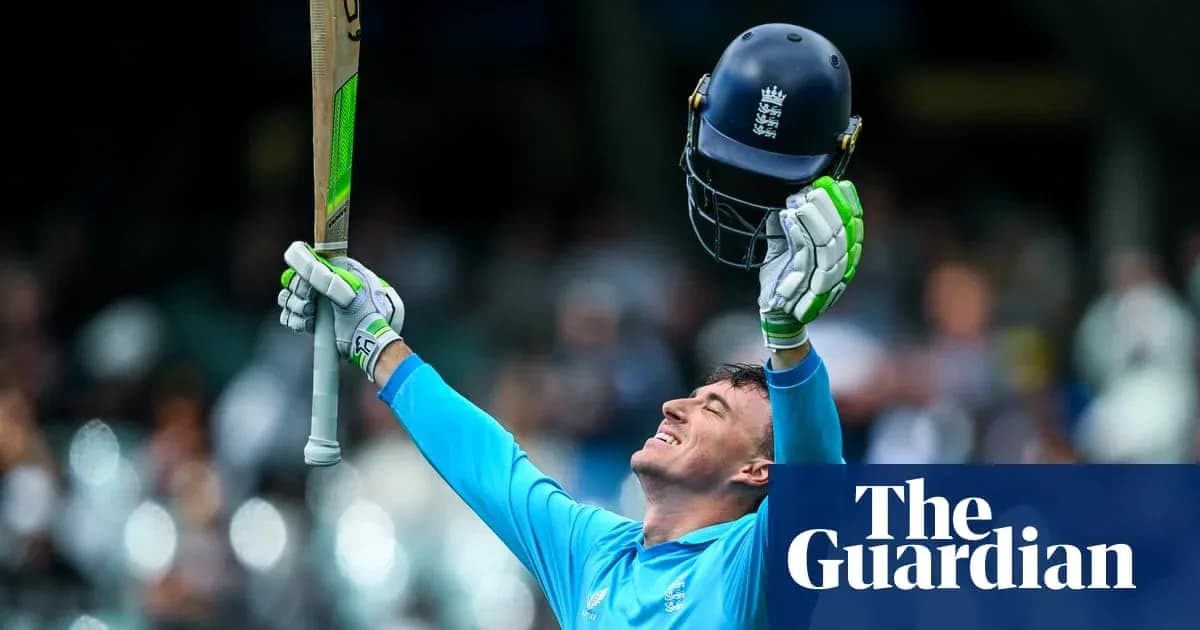
Tom Banton and Gus Atkinson will remember this one. So will Australia, for very different reasons.
On a sunlit Adelaide afternoon still carrying the aftertaste of sandpaper headlines and off-field noise, England finally produced something clear, clean and emphatic: a 135‑run hammering that dragged this one-day series level and announced, with some force, that they are not here to make up the numbers.
Banton lights up Adelaide
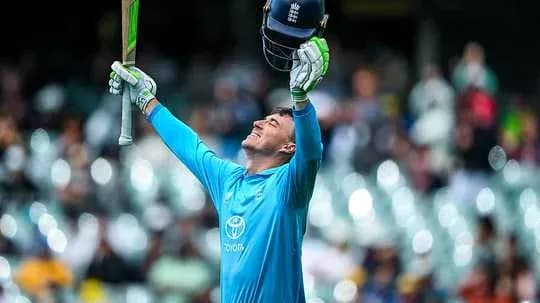
Asked to bat first, England needed a statement. Banton delivered it with a hundred that crackled from the moment he shook off an early blow to the helmet from Spencer Johnson.
He didn’t just survive; he took charge. A crisp 121 from 99 balls, all clean lines and uncluttered intent, anchored England’s 355 for six – the highest total ever made by a touring side in an ODI on Australian soil. He carved fours through extra cover, picked off the gaps square of the wicket and launched four sixes over the short square boundaries at Adelaide Oval. This wasn’t slogging. It was controlled aggression, a batter in rhythm and in control of the tempo.
The surface helped. Gone was the steep bounce of Perth that had exposed England 48 hours earlier. Young Mahli Beardman, Australia’s six‑wicket destroyer in that game, watched from the sidelines, rested. England’s top order looked grateful for both developments.
Joe Root provided the perfect foil, gliding to a fluent 62, rotating the strike while Banton pressed harder at the other end. When Root fell, England had a platform. When Banton followed, they had a question: could the middle order turn dominance into something truly imposing?
Brook misfires, others cash in
Harry Brook could not. The captain lasted only five, bowled attempting a ramp against Riley Meredith with fine leg up. It was an audacious option, but in this part of the world, where opinions on Brook’s white-ball method are already firm, it did little to soften the local view.
His failure, though, threw a different kind of light on England’s innings. They did not need their captain to cash in. Others did it for him.
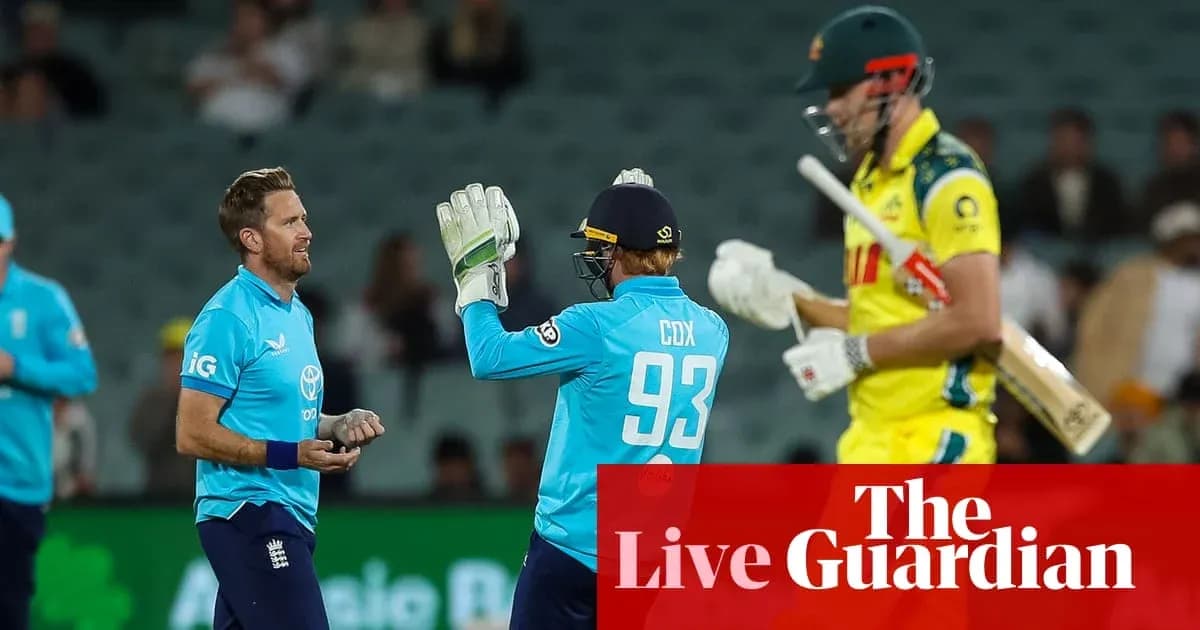
Jordan Cox played the innings of a man who understands modern one-day cricket: a patient start, then a ruthless finish. His 67 from 49 balls arrived right on cue, punctuated by one outrageous reverse-scooped four while down on both knees – a shot that drew gasps as much for the audacity as the execution.
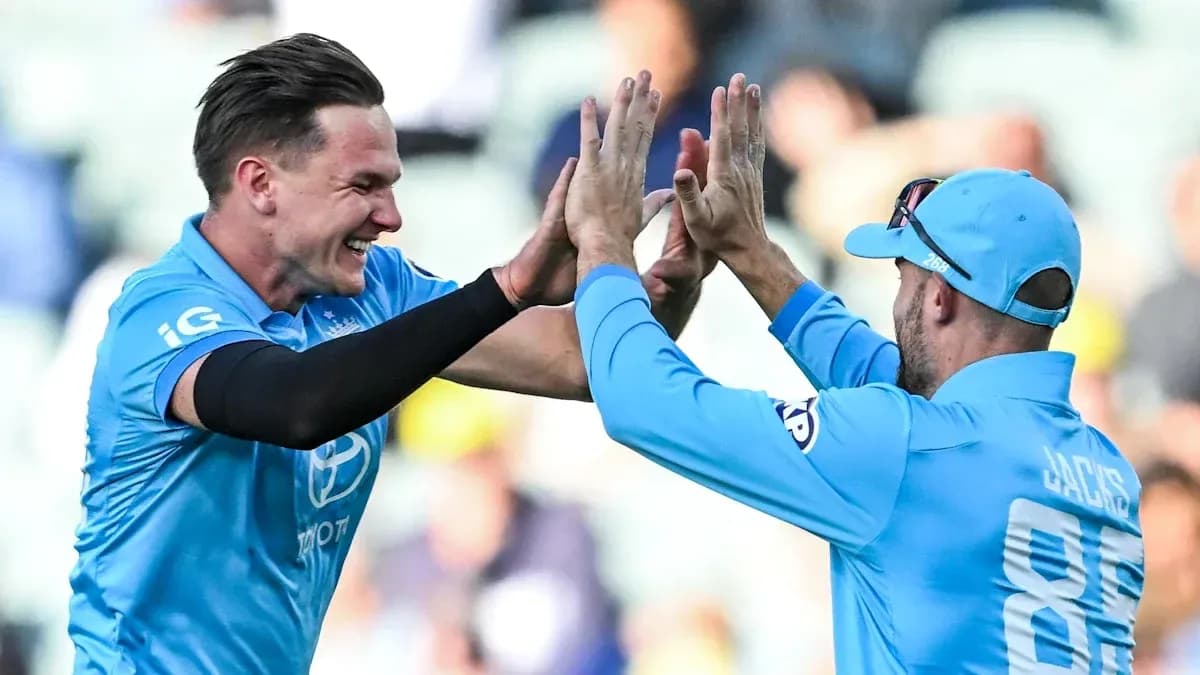
At the other end, Will Jacks built his work more quietly, then accelerated into the close. Unbeaten on 54 from 40 balls, he picked off tired lengths and turned a good score into a daunting one. By the time Atkinson wandered out and cracked a couple of late sixes, Australia’s attack looked drained, the earlier discipline fraying as the total surged towards 355.
England walked off with runs in the bank and a chance to reset a narrative that has followed them for months: can this team actually defend a big score?
Recent scars said no. That absurd 429 conceded in Pakistan still hangs over them. Adil Rashid, the old metronome in the middle overs, again carried drinks. The margin for error felt slim.
Atkinson rips out Australia’s top order
Atkinson removed the doubt inside seven overs.
Sharing the new ball with the recalled Sonny Baker, he went full, fast and straight, attacking the stumps and the top of off. Travis Head, Cooper Connolly and Josh Inglis all disappeared in a blur of waspish seam and just enough nip off the surface. Australia slumped to 29 for four, a chase of 356 suddenly looking like a salvage operation.
Where Atkinson hit the deck and hurried batters, Baker found late outswing and a lovely rhythm. His biggest moment came with the in-form Mitch Marsh at the crease. Tempted, then beaten, Marsh edged to slip, where Root took one of two excellent catches in that position. It was the kind of dismissal that justifies selection meetings: Baker in for Jamie Overton, and trusted ahead of Jofra Archer with the new ball. On this evidence, rightly so.
Yet England’s grip briefly loosened. Their catching, so sharp early, turned ragged. Both Matt Renshaw and Cameron Green survived early chances as hands suddenly went from adhesive to teflon. Australia took the invitation.
Renshaw and Green settled, then rebuilt. Their 98‑run stand didn’t quite ignite the stadium, but it did something almost as dangerous for England: it calmed it. Singles turned into twos, misfields crept in, and for a spell the chase looked less fanciful and more like a slow, methodical squeeze.
Dawson, Curran and the final squeeze
The pressure needed a release valve. Liam Dawson provided it.
Coming around the wicket, the left-arm spinner pinned Renshaw lbw, ending his resistance and snapping the partnership that had underpinned Australian hope. From there, the innings began to fray again.
The most eye-catching intervention in the second collapse came from Sam Curran. Facing the towering Jack Edwards, Curran pulled out a slower ball that seemed to hang in the Adelaide air for an age before clipping the stumps. Edwards, undone by the lack of pace, walked off bemused. Next ball, Xavier Bartlett followed him, a first-baller that deepened the sense that Australia’s chase was disintegrating in stages.
Green, who had battled to a half-century, eventually lost his balance and his wicket, stumped off Dawson. By then Atkinson was back to apply the final twist, finishing with four for 28 from his 10 overs, a new-ball burst and a closing spell that framed the entire contest.
Adam Zampa fell to him, and the end arrived with a familiar sight that will please England’s management almost as much as the margin of victory: Archer at the top of his mark, ball in hand, eyes locked. The yorker that flattened Johnson’s stumps sealed the result and underlined that, even in a supporting role, Archer still owns the death.
Australia, bowled out for 220, never truly escaped the early damage. Three dropped catches had kept them in the contest longer than they deserved; England’s bowlers made sure those lapses stayed a footnote, not a turning point.
A decider with real edge
So the series moves to Hobart, locked at 1-1, with something more tangible at stake than a line in the record books. For Brook and his coaches, this is the kind of scenario they have been craving a year out from a World Cup: a live decider, away from home, against a side that rarely gives an inch on its own soil.
England are nowhere near the finished article. Their fielding oscillated, their captain misfired, and the balance without Rashid remains a live debate. Yet Banton’s second century since forcing his way back into the side in the summer offers real substance at the top. Atkinson’s new-ball spell offers something else: a cutting edge they have too often lacked.
One game now stands between this group and a statement series win in Australia. After a day like this in Adelaide, the question is no longer whether they can set a target.
It’s whether they can seize the moment in Hobart and turn promise into something far more dangerous: belief.