England's Historic ODI Triumph in Adelaide
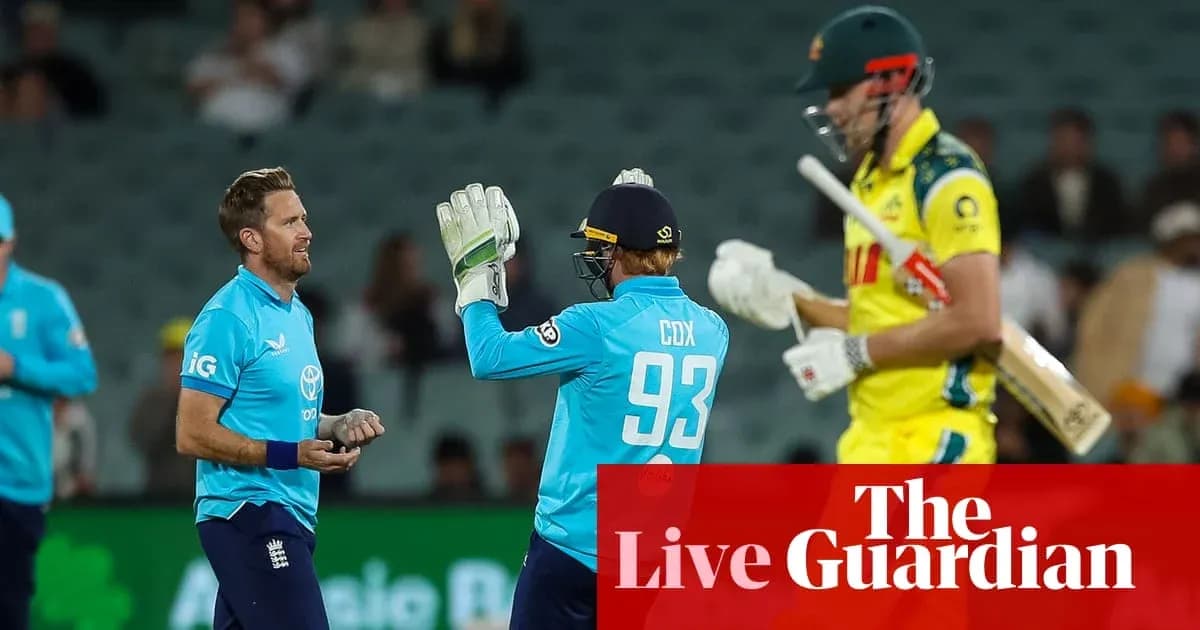
England arrived in Adelaide needing a statement. They left with a record, a demolition job with the ball, and just enough dropped catches to stop it feeling utterly cruel.
Their 355 – England’s highest ODI total in Australia – always looked hefty. By the 7th over of the chase, it felt mountainous. By drinks, it was bordering on academic.
This was England going from bust to boom in a single afternoon.
Atkinson lights the fuse
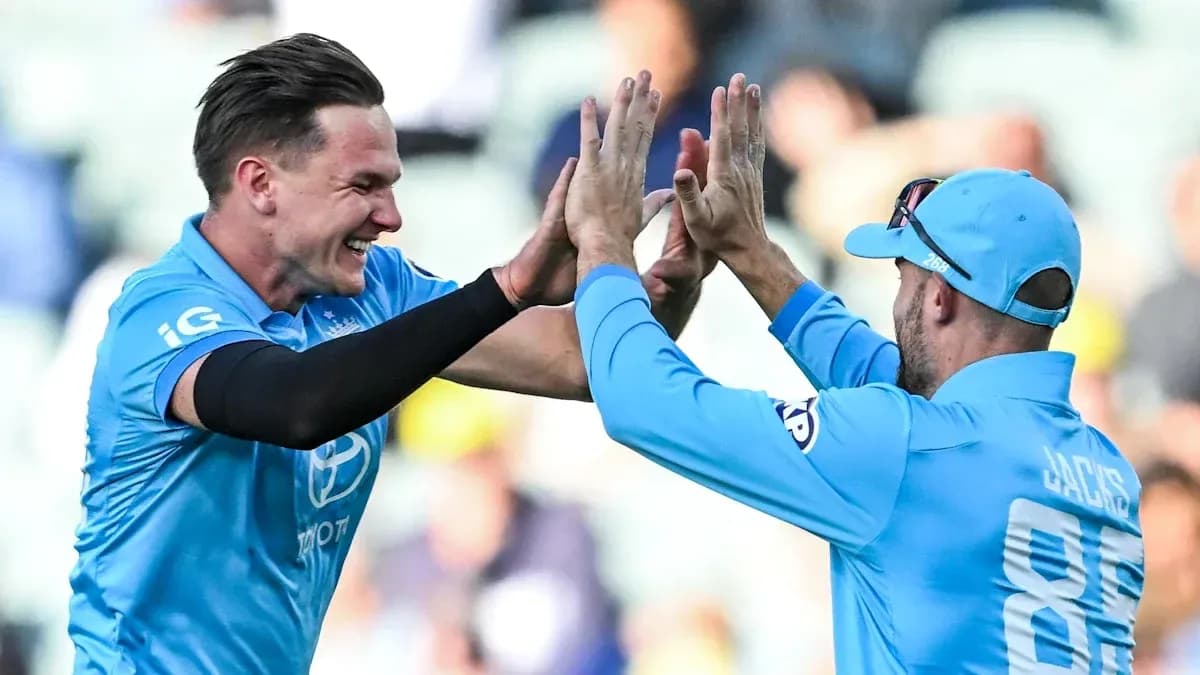
Gus Atkinson had already swung a bat like a man with a plane to catch, clubbing two sixes in four balls at the death to push England past 350. Then he picked up the new ball and turned executioner.
His first over set the tone: full, quick, hint of swing, Travis Head groping outside off as if still processing his duck against the same bowler in Perth. Head survived that time. He didn’t survive long.
In Atkinson’s third over, Head decided it was time to hit back, whipping the first ball for six over midwicket. It looked like a statement shot. It was actually the start of his undoing. Atkinson banged one in a touch shorter, wider, Head flashed, and Joe Root at slip swallowed the chance. Australia 13-1.
Two balls later Cooper Connolly followed, fenced into the cordon by a lifter that climbed on him. Harry Brook at second slip took the catch as if plucking a book from a shelf. One brings two; Australia suddenly 13-2 and wobbling.
Atkinson’s opening burst read 4-0-11-3. He had conceded fewer runs in four overs than he’d scored in four balls. England’s new-ball problem? Not today.
Baker joins the party, Marsh goes early
If many expected Jofra Archer to share the new ball, Harry Brook had other ideas. He tossed it to Sonny Baker, and the young seamer repaid the faith with interest.
Baker found movement straight away. Mitch Marsh clipped an inswinger, was beaten by an outswinger, and never quite looked settled. When Baker drew him into a drive, Root flung himself to his left at slip and clung on with both hands. A goalkeeper’s take, a major scalp. Marsh gone for 2, Australia 13-3.
Baker looked like a kid unwrapping Christmas early, but there was nothing naïve about his figures: a “spirited” 5-0-25-1, full of energy and intent. With Atkinson ragging through the top order and Baker nicking out Marsh, Australia’s supposed enforcers – Head and Marsh – were both back in the pavilion inside four overs.
Josh Inglis might have steadied things. Instead, he became Atkinson’s third victim. First, he survived an lbw shout as the ball jagged in. The next delivery held its line, kissed the outside edge, and though the umpire said no, Brook sent it upstairs. Snicko showed the faintest of nicks. Australia 29-4, and the chase for 356 already looked like fantasy.
Renshaw and Green resist as England wobble in the field
At 32-4, with the top order shredded, Matt Renshaw and Cameron Green had to rebuild and believe. They did both.
Renshaw started quietly but firmly. Against Baker he took two handsome clips for four to get moving. Against Liam Dawson, he changed gear. A thumping drive over mid-off announced his intent, followed by a deft lap for three. The scoreboard, stuck in early crisis mode, began to tick again.
Green, meanwhile, grew into the chase. Sam Curran’s introduction brought the “Little and Large” contrast into sharp relief. Green tucked him fine for two, then muscled a brutal pull for six. The pair added 56 in 11 overs, dragging the required rate into that awkward “just about possible” territory – around eight and a half an over. Not comfortable, but not impossible either, if they stayed together.
England helped them with a strangely ragged spell in the field. After snaffling three sharp slip catches early, they began to spill chances. Dawson put down Green from a top-edged pull off Atkinson. Will Jacks shelled a slash from Renshaw at short extra-cover. Root, low to his right, couldn’t cling on to a tough one from Inglis. Three lives, three let-offs, and the only thing dented more than England’s catching stats was Brook’s copybook.
By the time drinks arrived, England had still been “dominant”, but not perfect. They could afford the sloppiness. Australia, at 62-4 with Renshaw and Green battling, could not.
Archer returns, but the chase runs into the clock
Gus Atkinson finally earned a breather after seven overs of relentless pace and hostility, figures sitting prettily at 3 for 22. On came Jofra Archer, England’s luxury third seamer.
Archer eased in with three dots and three singles in his first over, generating that familiar, effortless lift. Any sense that Australia might be about to get after him was quickly smothered. His second over mirrored the first: three dots, three singles, the ball leaping at batters who could only dab and defend.
By the 17th over, Australia were 74-4. Renshaw had 39, Green 19, and the win probability graphic gave them a miserly four per cent. The equation was brutal: they had doubled the score from 14-4 to 28-4, then again to the mid-50s, then again into the 100s – and they still needed another hundred-plus with the rate climbing.
Renshaw refused to fold. He took blows on the thigh pad, he kept sweeping, nudging, and driving. He unfurled elegant laps off Curran, punched Dawson down the ground, and tried to turn a doomed chase into at least a respectable one. Green joined in, driving straight for three, pulling with authority, and showing the power that marks him out as Australia’s future.
But every over without a boundary tightened the noose. At 20 overs, Australia sat on 100-4, Renshaw 47, Green 33. The required rate nudged higher again. Eight and a half an over, still. The partnership had given the scorecard a veneer of respectability, but not enough to scare England.
England’s response, Australia’s headache
The day had started with nerves for England supporters wondering if another collapse might be waiting in the small hours. Instead, they woke to a batting card split neatly into three acts.
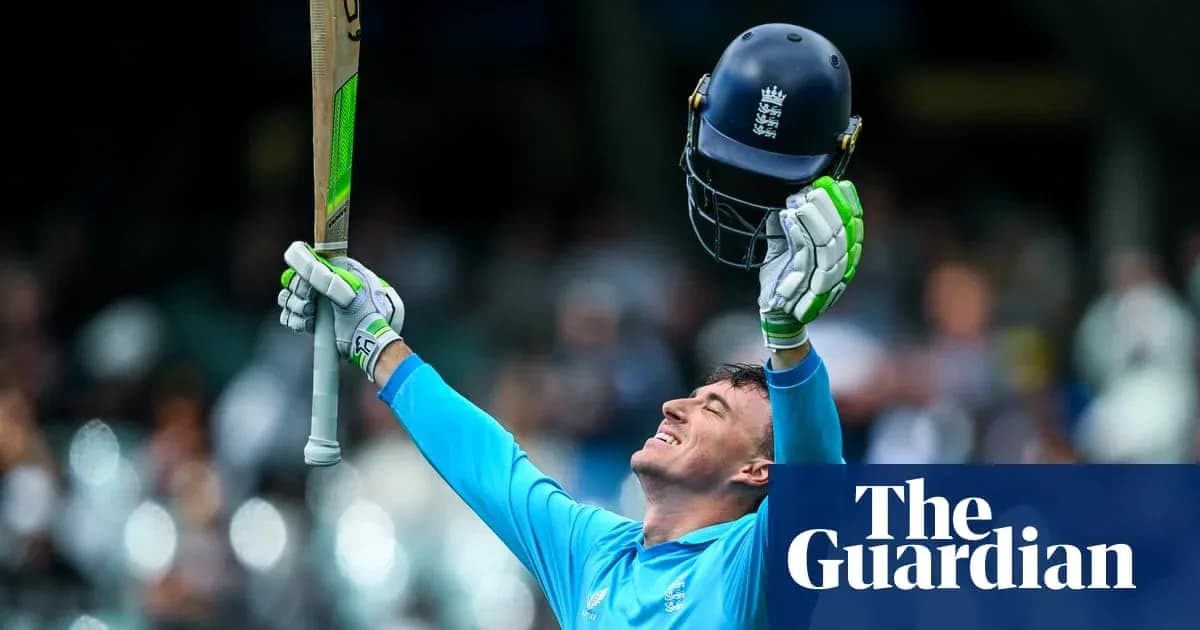
Tom Banton’s 121 off 99 balls, with four sixes, anchored the innings and signalled a player in full ascent. The middle order of Ben Duckett, Root and Brook added 76 off 99 – measured, almost sedate by modern standards – before the late-innings cavalry charged.
Will Jacks, Jordan Cox, Curran and Atkinson exploded, hammering 148 off 102 balls with five sixes. Jacks’ 39-ball fifty set up the finish; Atkinson’s two late blows off Jack Edwards capped it. Edwards’ final over disappeared for 18 as England surged to 355, their highest ODI total on Australian soil.
Australia knew they needed a record chase: the highest in an ODI in Australia, surpassing 334. They never got close.
Early swing, sharp catching, smart captaincy from Brook in using Baker ahead of Archer, and Atkinson’s breakout performance with ball and bat ripped out the heart of the reply. Renshaw and Green showed grit and skill, but they were patching up a hull that had already taken on too much water.
England, for once in this part of the world, did not blink.
The question now is not whether this was a one-off response, but whether this blend of fresh pace, deep batting and fearless intent can carry them through a new cycle. If Adelaide is the template, the rest of the series – and perhaps the next era – just became a lot more interesting.