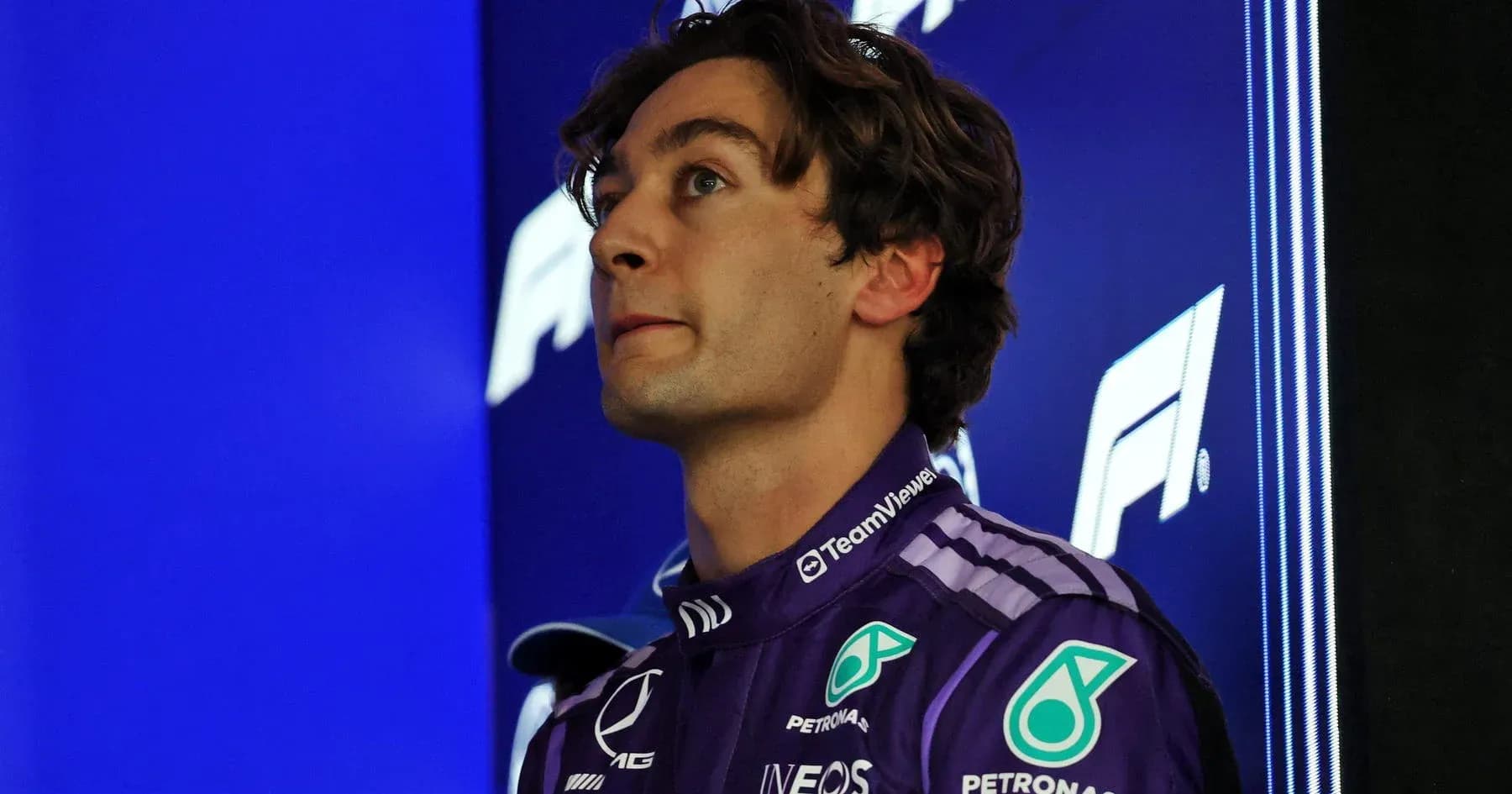
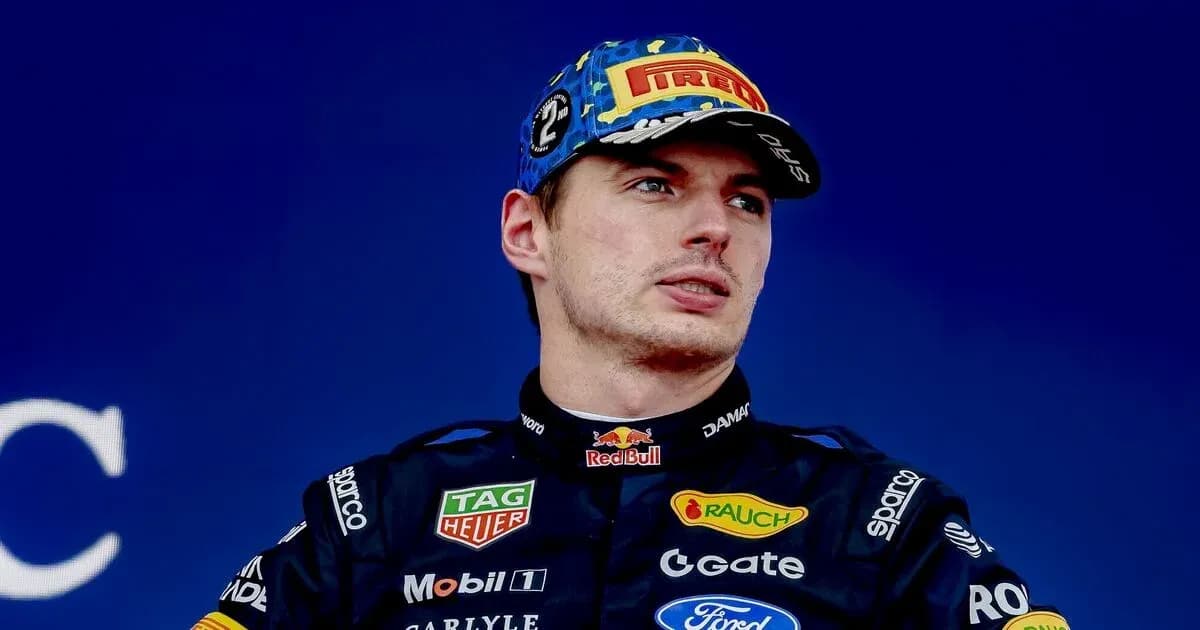
The One-Race Wonders of Formula 1
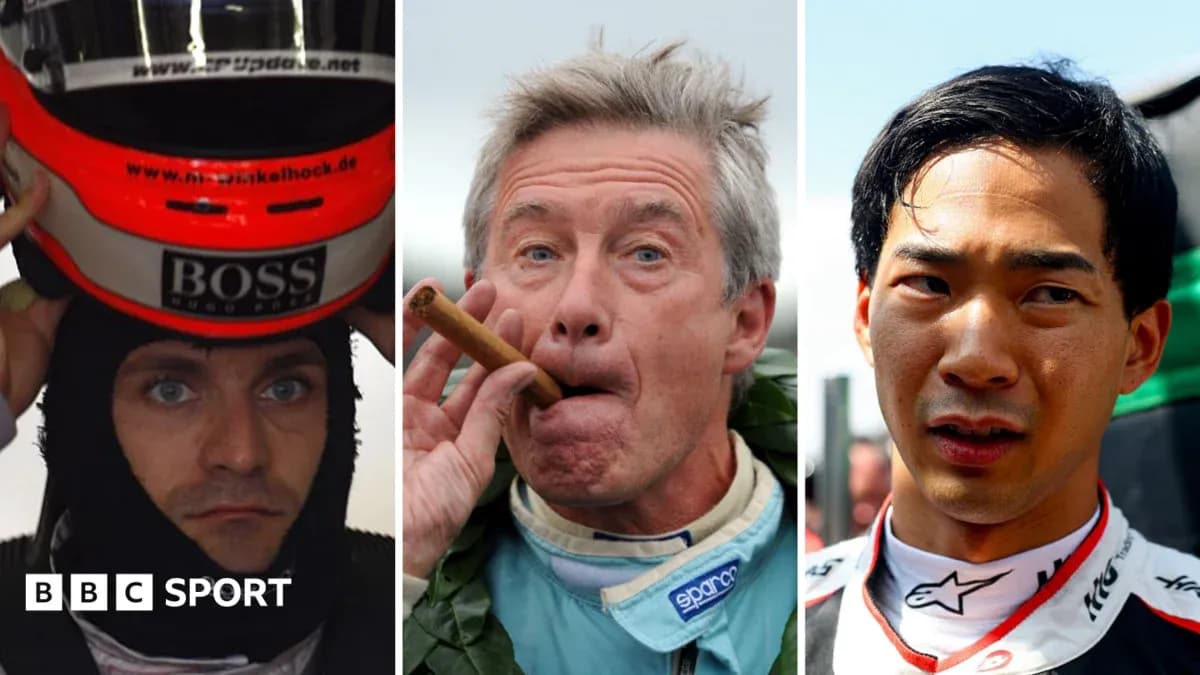
They call it the pinnacle, but for some it’s a postcard, not a home address.
One grand prix. One grid slot. One shot that burns bright for an hour and then lives forever in the margins of the record books.
One race, one life
Imagine it. You’re strapped into a Formula 1 car, visor down, heart hammering, surrounded by the fastest racing machinery on earth. The thing you’ve watched, chased, obsessed over since childhood is no longer on a TV screen. It’s under your fingertips.
Tiff Needell coped with that reality in the most human way possible.
"I sang the Grand Prix theme tune while I was sat on the grid. I thought I was watching it on telly," he recalls.
Needell is one of a strange, select club: the drivers whose F1 career begins and ends on the same Sunday. There have been 166 of them. Some were victims of timing, others of politics, money, injury or simple bad luck. A few were never meant to stay. They were there to plug a gap, fill a seat, keep the show on the road.
Yet that one race, that fleeting appearance, still carries the weight of a lifetime’s work.
Hirakawa’s brief dream
The phenomenon hasn’t died with the sport’s march into ultra-professionalism. The helmet-for-hire still exists, just dressed in modern overalls.
Ask Ryo Hirakawa.
Last month in Mexico, the Japanese driver finally climbed into a Haas and onto the grid, his "dream" realised after Esteban Ocon’s turbulent exit from the team. He scored a point, helped by penalties elsewhere, and allowed himself a rare moment of unfiltered joy.
"I just need to taste this moment. I'm really happy," he said. "Just enjoy this moment and see what we can do."
Within a week, the moment had gone. Haas accelerated their plans and brought in 2027 signing Rafael Camara early, locking down the seat for the rest of 2026. Hirakawa, a Toyota factory driver and Haas reserve thanks to the team’s tie-up with the Japanese giant, was back on the sidelines.
Right place, right time. Then, just as quickly, wrong year, wrong contract.
For reserve and test drivers, this is the reality. The path from simulator to grid is narrow, and those who do make it often get one chance, not a career. The old days of wealthy amateurs buying a drive for a weekend are long gone. Now, even to stand in the garage in team kit, you need years of hard racing, data, and funding behind you.
And still it might only buy you 300 kilometres.
Needell’s unlikely climb
Needell’s own route to that lonely club began not with a sponsor, but with a stroke of luck and a magazine.
"I won a car in a magazine competition," he says. "I was the kid on the terraces, on the fences - and made it on to the grid. We had no money at all in our family, so I was a working civil engineer five days a week and a mechanic in my garage five nights a week. At the weekend I was the van driver, the mechanic and the racing driver."
No academy. No junior programme. Just a man juggling a full-time job and a dream.
"I bumbled my way up to the top of the national scene and then got offered a professional drive in Formula 3. And after two years of that I moved up into the Formula 1 British championship."
That domestic series, long defunct, was a back door into the big time. Needell pushed it open by sheer persistence. He was at the Nürburgring, haunting the paddock, trying to hustle a Formula 2 seat with sponsorship money he didn’t actually have, when the phone rang.
"Ensign called me and said: 'This weekend would you like to drive?' I rushed home from the Nurburgring in my orange Ford Capri, had half a day's test at Donington and on to qualifying for the Belgian GP at Zolder.
"I got my chance because Clay Regazzoni crashed and hurt his back at Long Beach.
"A lot of that in the olden days was due to injuries - chances would come up when someone had crashed and got injured. It was dangerous back then."
Back of the grid, front of the dream
This was 1980. Pre-qualifying still existed. You didn’t just turn up and race; you had to prove you were fast enough to even try.
"There was something like 30 drivers trying to pre-qualify, and somehow I made it to the back of the grid - 23rd in the Ensign. It was so much cheaper then - aluminium chassis and a Cosworth DFV engine and away you go."
Cheaper, yes. Easier? Not remotely.
Needell, 29 and very far from the pampered academy graduate of today, found himself on the back row alongside a legend: double world champion Emerson Fittipaldi, enduring a miserable weekend in his Skol Fittipaldi.
"I found myself on the back row of the grid, sitting by one of my big heroes. It was all a bit of a dream," he says.
No paddock passes for the family, no VIP hospitality. His parents and girlfriend – now his wife – drove to Belgium in the family car and watched from the crowd as he lined up with the greats.
"When the mechanics started the engine and left me sitting there - me and Emerson - I actually started humming the theme tune [to Fleetwood Mac's The Chain]," Needell says.
For 12 laps he fought Fittipaldi, not for glory but to avoid being last in the 1980 Belgian Grand Prix. Then the Cosworth gave up. The engine broke, and with it his brief hold on F1.
A failed attempt to qualify for Monaco a week later closed the door. Needell turned his focus to Le Mans, touring cars and, eventually, television. His F1 career was over almost before it began, but his life in motorsport was just getting started.
The best of the one-race wonders
So what’s the ceiling for a driver whose F1 story starts and finishes on the same weekend?
Points have been scored. Dorino Serafini famously shared second place with Alberto Ascari at Monza in 1950, a podium in F1’s debut season that remains the gold standard for the one-shot brigade.
Yet in the modern era, Markus Winkelhock stands apart.
The German, son of former F1 racer Manfred Winkelhock, arrived at the 2007 European Grand Prix at the Nürburgring as a last-minute stand-in for the struggling Spyker team. The car was slow. Painfully so. He qualified last, the traditional home of the super sub.
His family name carried history. Manfred had started 56 grands prix in the eighties before losing his life in a sportscar crash in 1985. Markus’ uncle Jo had tried seven times to qualify for a race and never made the grid.
Markus would go further than both – and in the most surreal fashion.
By his own admission, he was undercooked.
"I had one day testing in Silverstone and one day in Paul Ricard," he told Motorsport magazine. "The first couple of laps it felt like a PlayStation - so unreal, everything was so fast. You're accelerating till you reach the braking point.
"But after all the [practice] sessions I could feel my neck already.
"I told my mechanics to put some beddings on the side of the headrest, in case the neck is completely done, to lean on with the helmet."
Then the Eifel weather intervened. Early rain swept in over the Nürburgring, the kind that turns a race upside down in minutes. Spyker, with little to lose, gambled on full wet tyres.
The call was perfect.
As Lewis Hamilton, Jenson Button and others slithered helplessly into the gravel, Winkelhock’s orange Spyker sliced through rivers of standing water, planted and composed. He wasn’t just surviving. He was escaping.
He built a 33-second lead. In Formula 1 terms, that’s not a gap; it’s another postcode.
"I didn't know it was for the lead. I was just driving," he said. "At the point they told me, 'You're P1'. I really didn't understand anything that was going on because this race was really crazy."
For six laps, a backmarker team and a one-off driver led the world.
Then the track dried. Reality bit. The faster cars reeled him in, one by one, and a hydraulic failure ended his race on lap 15. The fairytale was over, but the image remained: a Spyker, of all things, at the head of the field in a grand prix, driven by a man who would never start another.
Second best, and still glorious
A single F1 start is often the gateway to something else. Sportscars at Le Mans. IndyCar ovals. Factory contracts and world titles in categories that don’t trend on social media but demand equal courage and talent.
Even at the height of rallying’s Group B madness, with its monsters on gravel and ice, F1 still drew the eye. It was the place you wanted to be, the badge every driver craved.
"Being a grand prix driver was where you wanted to go," Needell says. "But I always had my eye sideways for any other drives.
"Single-seaters are the best cars to drive and they are made and designed to race. And the ultimate is the grand prix car. Everything else is second best."
He doesn’t say that with bitterness. There’s pride in his voice.
"I was so proud I got there on no sponsorship and no money. I suppose I was a bit annoyed I couldn't stay for longer.
"But as I always say, 'unluckier than a few, but luckier than millions'.
For Hirakawa, for Winkelhock, for Needell and the rest of the one-race fraternity, that’s the truth. Their names may sit in the footnotes, their careers measured in laps rather than seasons, but they reached a place most drivers only see through a visor in their dreams.
One race. One grid. A lifetime’s worth of memories – and the question that never quite goes away: what might have happened if they’d just had one more Sunday?