Windhoek Hosts T20I Tri-Series: South Africa, Zimbabwe, Namibia
Windhoek steps into the spotlight this week. Three African sides, one ground, seven games, and a format that rarely forgives hesitation.
From August 28 to September 6, the Namibia Cricket Ground hosts the SA vs ZIM vs NAM T20I Tri-Series, a compact tournament that matters in very different ways to each of its participants.
South Africa’s second string, first-rate expectations
South Africa arrive as the heavyweights on paper, ranked No. 5 in the world, but this is no full-strength unit. The selectors have sent a second-string squad, a touring party built less around caps and reputations and more around potential.
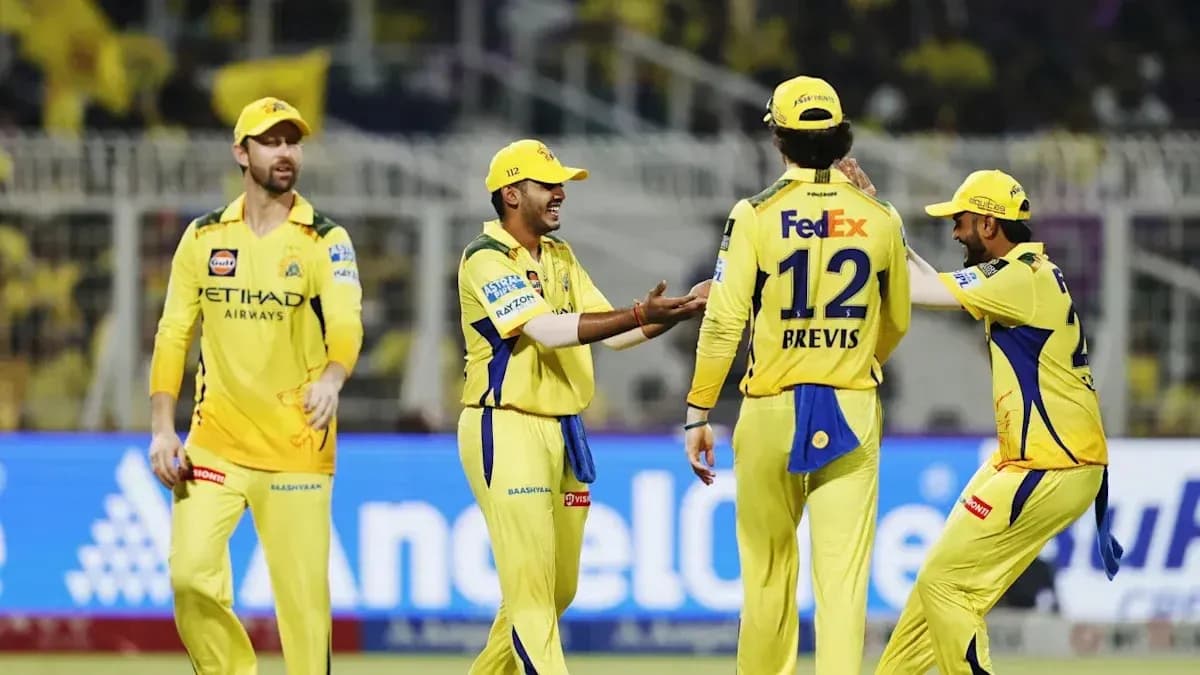
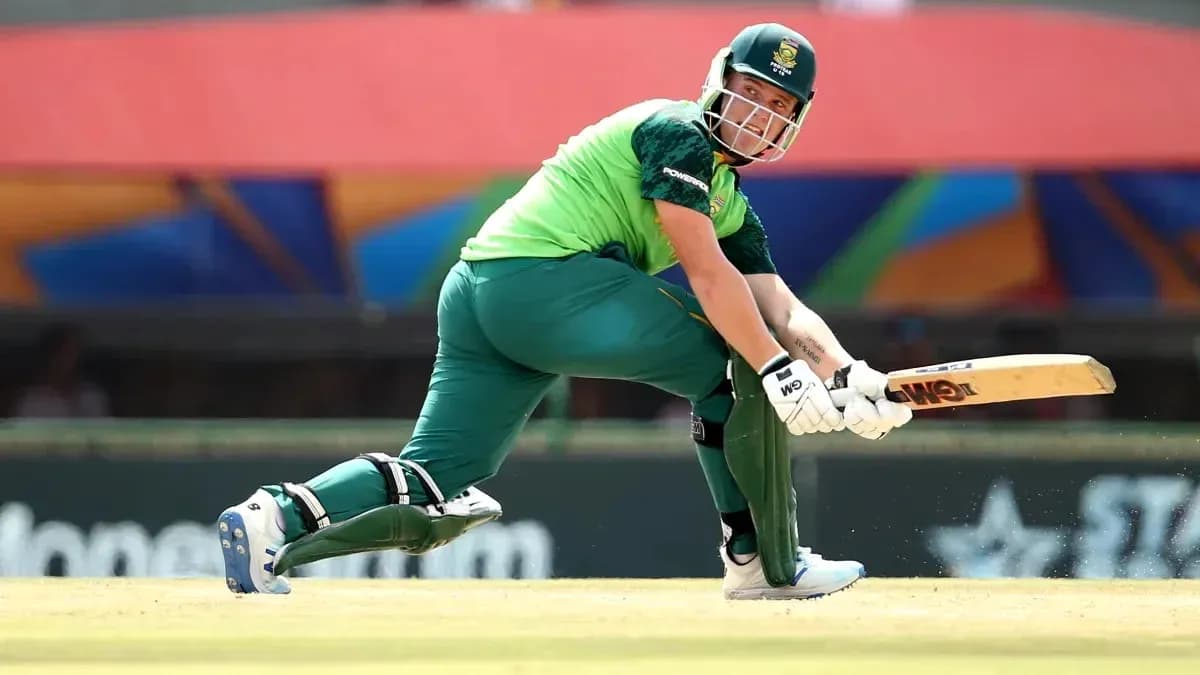
Left-arm spinner Björn Fortuin leads the side, a steady hand in charge of a group that screams “next generation”. Dewald Brevis, Kwena Maphaka and Lhuan-dre Pretorius headline a roster that feels like a live scouting report for IPL franchises and national selectors alike.
This isn’t just a warm-up. For South Africa’s youngsters, every over in Windhoek is an audition.
Zimbabwe tune up for 2027
Zimbabwe, ranked 12th, come with a longer horizon in mind. They are using this tri-series as one more building block towards co-hosting the ICC ODI World Cup in 2027.
Different format, same goal: sharpen combinations, stress-test players, and harden a squad that wants to be more than just a gracious host three years from now. Pressure in T20 cricket is concentrated into 40 overs; it exposes weak links quickly. That suits Zimbabwe just fine.
Namibia’s belief, and a memory that lingers
Namibia, at 17th in the rankings, sit below both visitors on paper. On grass, they carry something more valuable: a result. The hosts won the only previous T20I between these sides, beating South Africa by six wickets.
That memory shapes this series. It’s no longer a story of the associate punching up; it’s a contest they know they can control if they land their punches early.
Captain Gerhard Erasmus has been clear about where he thinks the game now sits. The gap between full members and associates, in his eyes, has narrowed sharply in T20 cricket. With two standout performers on the day, he believes, any so-called underdog can tilt the result. Namibia have seen that play out first-hand.
Every match in Windhoek starts at 2:00 PM local time. Same venue, same slot, rising tension.
Tournament format: short, sharp, unforgiving
The structure is simple and ruthless.
- Three teams.
- Double round-robin: each side plays the others twice.
- Six league games.
- Top two advance to the final.
Seven T20Is in total, all at the Namibia Cricket Ground. No travel, no excuses. Momentum becomes everything.
How to watch around the world
The series may be compact, but its broadcast footprint stretches well beyond southern Africa.
In India
There is no confirmed TV broadcast. Every game streams live on FanCode via app and website.
In South Africa
SuperSport holds the rights across Sub-Saharan Africa. Matches will air on SuperSport, with live streaming on the SuperSport app.
In Namibia
Home fans can follow the action on One Africa TV, available via DStv and GOtv. Streaming is available through the One Africa online portal.
In Zimbabwe
ZBC TV carries the games on the ZBC Network, with additional access via DStv Channel 284 and GOtv Channel 24 through One Africa TV. Streaming comes through ZBC digital platforms and the One Africa streaming portal.
In the UK
No TV broadcaster has been announced. Viewers can watch live via ICC.tv.
In the USA and Canada
Willow TV shows the matches on television, with streaming available on the Willow TV app. ICC.tv offers another live streaming option.
In the UAE
No local TV deal is in place. Fans can watch every match live on ICC.tv.
In Australia
Again, no TV broadcast has been confirmed. ICC.tv carries the series live for streaming audiences.
A small series with big questions
Seven games in nine days won’t decide any world titles. They might, though, tell us something more interesting.
Can South Africa’s next wave handle responsibility, not just hype? Will Zimbabwe’s World Cup plans look clearer or more complicated after a week in Windhoek? And can Namibia, in their own backyard, turn belief into a statement that the rankings can no longer ignore?