Will Young's Insight on T20 Adaptability and ODI Success
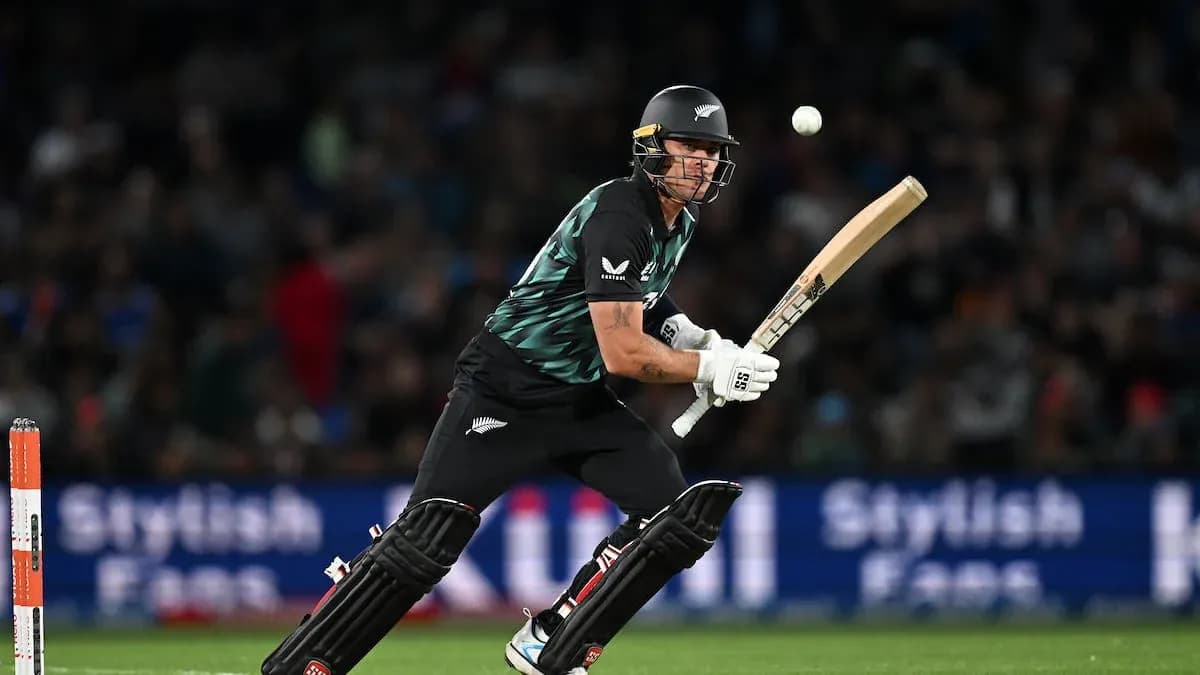
Will Young had the best view in the ground. From 22 yards away, he watched Tim Seifert and Finn Allen rip into an attack, then settle, then build – and he simply went along for the ride.
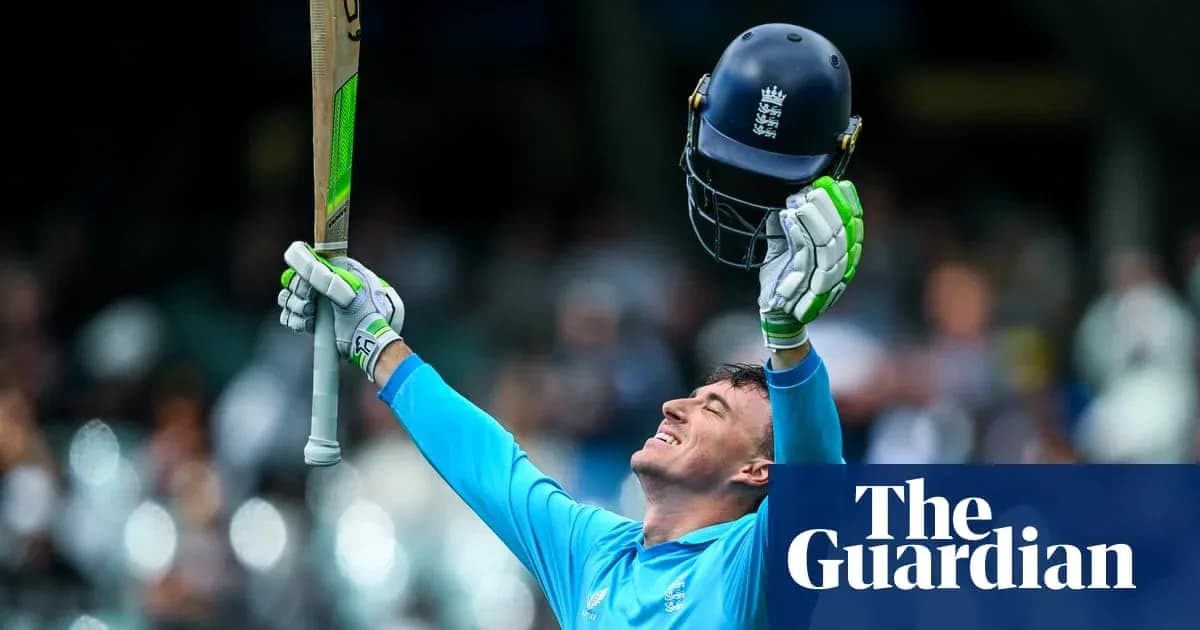
Young stitched together stands of 85 from 73 balls with Seifert and 90 from 66 with Allen on his way to a fifth ODI hundred, partnerships that turned a promising platform into a match-winning total. From the outside, it looked like classic white-ball carnage. From the middle, Young saw something else.
Seifert and Allen carry the labels that modern T20 gives out too easily: sloggers, crash-and-bash merchants, all-or-nothing hitters. Young pushed back hard on that idea.
“It’s brilliant having Tim and Finn in the ODI set-up,” he said. “You can see the enjoyment and the energy they both bring to the group. It certainly rubbed off on me yesterday. They showed the power that they’ve got, but both of them are better than ‘crash, bash’ players.
“They showed that yesterday, they adapted to what was in front of them, built some meaningful partnerships, and it contributed to the win. It’s an exciting time having Tim and Finn in the team.”
That adaptability is exactly what could turn Allen’s return to 50-over cricket into a shrewd call by the selectors.
Since his international debut in 2021, nobody has doubted Allen’s raw talent. Bowlers know the feeling: the game can run away from them before they’ve even settled into a spell. Earlier this year he detonated a 33-ball century against South Africa, dragging New Zealand into the T20 World Cup final in India and driving his value through the roof as he became the most expensive signing in Big Bash League history.
That kind of innings bends tournaments. It also distorts perception.
Allen’s method is high-risk, high-reward, and his numbers carry the scars. Those who want to question his place in a side can point to a record that doesn’t leap off the page. He gives them plenty to shout about.
Yet cricket lives in the spaces between the statistics. In 2022, when New Zealand opened their T20 World Cup campaign against hosts Australia at the SCG, Allen blasted 42 from just 16 balls, with five fours and three sixes. On the scorecard, it wasn’t even a fifty. In the context of the tournament, it was a wrecking ball.
Australia never recovered. New Zealand won by 89 runs and the defending champions’ title defence effectively ended on the first night, undone by a whirlwind cameo that will never sit in the “landmark innings” columns but changed the shape of the competition.
That is the danger Allen brings, even now, shunted down to No 5 in a depleted line-up. Inside the dressing room, his teammates know what that threat looks like, and what it could mean over the next 12 months if this experiment at five continues to pay off.
“There’s no doubt, he’s got such a high ceiling,” said Matt Henry. “He’s been such a good cricketer. It’s a good place for us to be in, we’ve got guys getting experience in different positions – it’s great for him. He’s hitting the ball cleanly as well, it’s exciting.”
Exciting, but ruthless. With a World Cup looming and only 15 seats on the plane to South Africa, Zimbabwe and Namibia next October, there is very little room for sentiment.
Seifert’s path is cluttered. To claim a place at the top of the order he must elbow aside or outlast established ODI names: Rachin Ravindra, Devon Conway, Young himself. Allen’s fight at No 5 is no easier, a slot usually occupied by Tom Latham, whose experience and wicketkeeping add layers of value.
There is also a vacancy higher up. Kane Williamson’s retirement has cracked open No 3, a position that has long been the heartbeat of New Zealand’s batting. Either Seifert or Allen could yet be remodelled for that role, if the selectors dare to redraw the template.
The spotlight naturally swings to the fireworks. T20 explosiveness grabs highlights and contracts, while 50-over specialists quietly build the foundations. Young, now a fixture in the ODI side, sees the battle for spots less as a threat and more as a sign of a healthy dressing room.
“The best thing about this team is it’s all about contributing to team success, rather than looking over your shoulder to see who else is doing well,” he said. “But it is an important series, and there’s a couple more as well leading up to the World Cup to try and stake your claim – but the most important thing is being a good team man and trying to contribute in different ways towards the team success that’ll get you on that plane.”
The message is clear. The power-hitters are learning to pace an innings, the anchors are embracing risk, and every run from here on is an argument made to the selectors.
Someone will miss out. The question now is which blend of steel and fire New Zealand decide to trust when that World Cup squad is finally named.