Who Is the Father of Cricket? Exploring the Legends Behind the Game
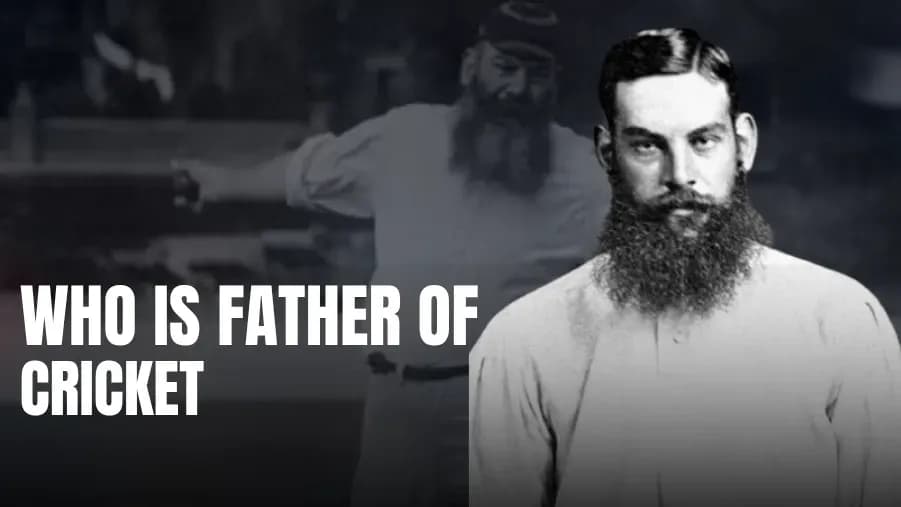
William Gilbert Grace stands out as the iconic figure known as the father of cricket. His pioneering batting style and all-round skills changed how cricket was played and perceived. Grace's career spanned 22 Test matches and a staggering 870 first-class games, where he scored more than 54,000 runs and took nearly 2,810 wickets. Beyond numbers, his influence helped shape cricket into a sport with worldwide appeal. At age 50, he captained England, setting a record that still stands. In India, Sir Ranjitsinhji Vibhaji Jadeja, famous for his elegant leg glance and the namesake Ranji Trophy, is honored as the father of Indian cricket.
Key Details About Sir W.G. Grace
- Full Name: William Gilbert Grace
- Born: July 18, 1848, Downend, Gloucestershire, England
- Died: October 23, 1915, Mottingham, Kent, England
- Test Debut: September 6, 1880, vs Australia
- Test Matches Played: 22
- First-Class Matches: 870
- Runs Scored: 1,098 in Tests; 54,211 in First-Class
- Wickets Taken: 9 in Tests; 2,809 in First-Class
- Known For: Revolutionizing cricket through batting technique and all-round play
- Profession: Cricketer and Physician
Early Life and Rise to Fame
Grace was born into a medical family in Bristol and showed cricketing talent early on, coached by his father and brothers. By fifteen, he was playing for Gloucestershire and soon featured in the prestigious Gentlemen versus Players matches. He made an impact as a teenager, scoring his first century against the Gentlemen of Sussex before Test cricket even began in 1877.
Changing Cricket Forever
More than just statistics, Grace’s contribution was transforming cricket’s image and reach. His precise footwork, shot selection, and strategic play set new standards. The public flocked to watch him, drawn by his commanding presence and unique style. Grace’s career bridged the shift from club cricket to structured county and international matches. His charismatic personality and iconic beard made him cricket’s first superstar.
Impact on Rules and the Marylebone Cricket Club (MCC)
Grace’s era saw key changes in cricket rules, like the acceptance of overarm bowling and introduction of follow-ons and run-outs. The MCC, which governed cricket laws, grew in stature partly because of players like Grace who pushed boundaries. His approach forced refinement of the game’s regulations and encouraged organized competitions. Grace’s career helped evolve cricket from a gentleman’s pastime into a global sport with formal fixtures and law enforcement.
Why W.G. Grace Earned the Title "Father of Cricket"
It wasn’t just the runs or wickets but how Grace redefined the sport’s spirit and structure that earned him this title. His unmatched career longevity, skill, and charisma drew crowds and inspired generations. He didn’t just play cricket; he lived it, shaped its future, and became a symbol of excellence. Grace’s legacy remains unmatched, making him the true father of cricket worldwide.
Legacy and Influence
Though opinions vary on who deserves the title, Grace’s lasting impact is undeniable. His batting style influenced how players approached the game, and his passion filled stadiums. After retirement, his name symbolized cricketing greatness and paved the way for future stars.
Father of Cricket in India: Sir Ranjitsinhji Vibhaji Jadeja
In India, Sir Ranjitsinhji Vibhaji Jadeja is celebrated as the father of cricket. Coming from the royal family of Nawanagar, he made his mark playing university cricket in England before debuting in county cricket and representing England internationally. His legendary leg glance shot and elegant batting won acclaim. Ranjitsinhji surpassed W.H. Grace’s aggregate seasonal runs and was named Wisden Cricketer of the Year in 1896. To honor him, the Ranji Trophy was established by Maharaja Bhupinder Singh and the BCCI, cementing his place in Indian cricket history.
Frequently Asked Questions
- Who is the father of cricket? W.G. Grace holds this title for his groundbreaking achievements.
- Who is called the king of cricket? Virat Kohli is often referred to as the king of cricket.
- Who is the king of God in cricket? Sachin Tendulkar is known as the king of God in cricket.
- Who is the prince of cricket? Shubman Gill carries this title.
- Who is the father of cricket in India? Sir Ranjitsinhji Vibhaji Jadeja, also known as Ranji.
- Who is known as Mr. 360? AB de Villiers is famously called Mr. 360.