Wasim Akram's Verdict on Pakistan's Batting Crisis: No Talent After 10 Years of PSL
Wasim Akram has spent a lifetime defending Pakistan cricket. In Lahore on Friday, he stopped defending and started demanding.
The former captain and fast-bowling great laid into Pakistan’s Test decline, calling the state of the red-ball side “bad” and warning that the real crisis lies not in coaching appointments or selection debates, but in a barren pipeline of batting talent.
‘Ten years of PSL – where are the batters?’
Akram’s main target was uncomfortable for Pakistan’s administrators: the Pakistan Super League. A tournament the country proudly sells as its crown jewel, its talent factory.
“It has been 10 years since the PSL started, but has a single batter been produced by the PSL?” he asked. “Yes we have produced a few bowlers but tell me have we produced any noteworthy batting talent.”
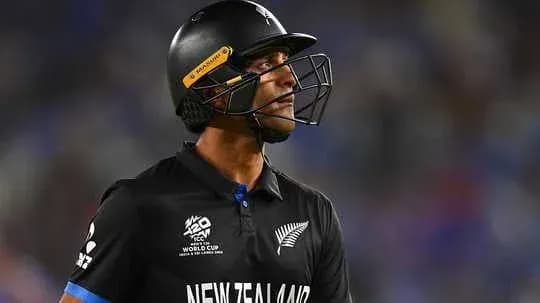
That question hung heavy. The numbers back him up: Pakistan’s Test batting has crumbled home and away, most recently in a damaging series defeat to Bangladesh both in Pakistan and on tour. For Akram, that should have been a flashing red light for the Pakistan Cricket Board.
He expected a reset. He saw very little.
Pakistan, he argued, has become comfortable in white-ball formats while its Test game withers. The shorter formats still see the country compete, even excite. The longest format, he said, is now in a “bad” place.
India’s teenage prodigy as a warning sign
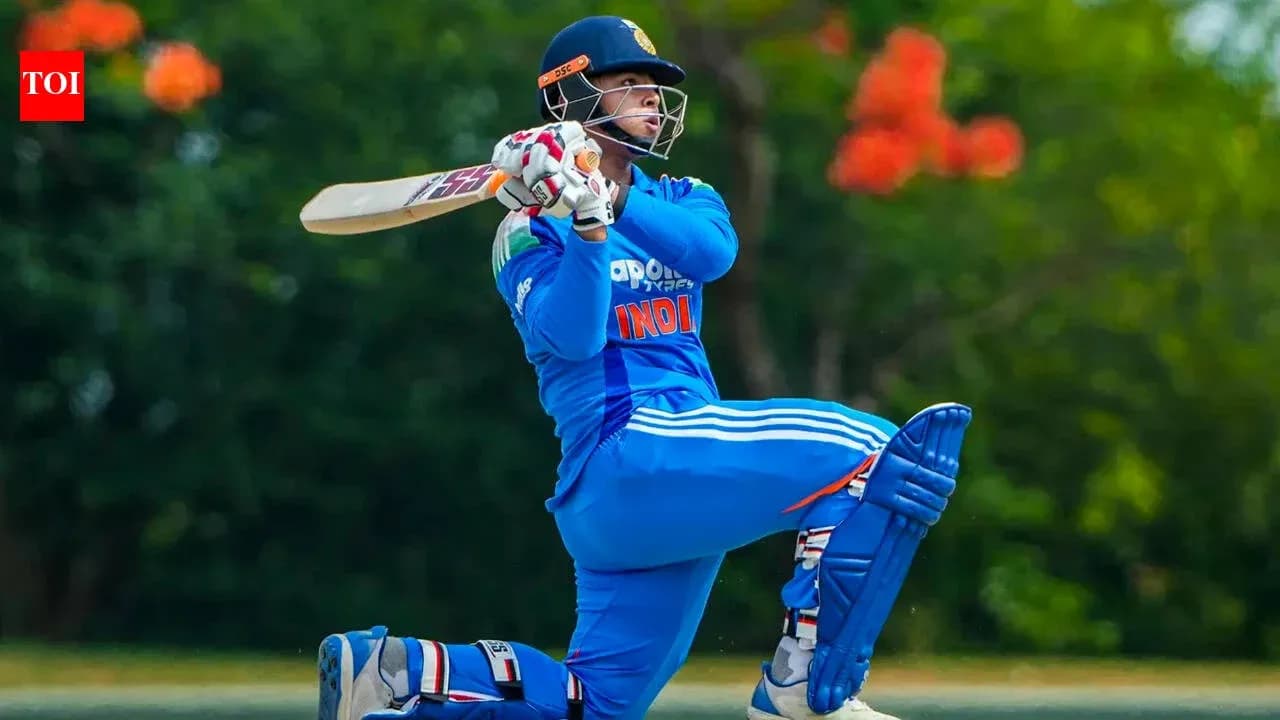
To underline how far Pakistan has fallen behind in producing pure batting talent, Akram pointed across the border. He referenced the emergence of a 15-year-old batting sensation in India, an apparent nod to Vaibhav Sooryavanshi, as the kind of prodigy Pakistan simply is not uncovering.
“I think when we produce a batting talent like the 14-year old then we will see improvement coming through,” he said, highlighting the contrast rather than praising the neighbour.
The message was blunt: Pakistan once prided itself on unearthing natural stroke-makers from dusty club grounds and street cricket. Now, even with a fully fledged T20 league, the conveyor belt looks clogged, especially for Test-ready batters.
Coaches don’t bat, systems do
With the PCB again circling names for coaching roles, Akram cut through the noise. Whether it is him, Gary Kirsten or anyone else, he insisted, the fundamental issue stays the same: the players.
He dismissed the obsession with changing faces in the dressing room and the dugout, and turned the spotlight on the domestic structure.
The system, he argued, needs time – three to four years at least – to show results. Constant tinkering, rapid-fire sackings and short-term fixes only mask the rot. Long-term planning, patience and a clear pathway from club to domestic to international cricket, in his view, are non-negotiable.
Akram did not speak as a detached pundit. He admitted he felt the same anger and disappointment as any fan watching Pakistan’s recent Test performances.
‘Revive club cricket’ – and spend big on it
For Akram, the starting point is not the PSL, not even the first-class circuit. It is club cricket.
“Club cricket needs to be revived if we want improvement in red ball cricket,” he said, going as far as to put a price tag on that revival. The PCB, he suggested, should invest 100 million rupees each in Karachi and Lahore alone.
His reasoning is simple: real talent, especially for the longer format, comes from club cricket. From tough pitches, long days, and repeated innings under pressure. Without that base, PSL fireworks mean little when a batter walks out at 10 for 2 on a seaming morning.
Akram also took aim at the revolving door in the national side. Pakistan, he said, keeps rotating players without solving the fundamental issues. There is “consistency” in the names, but not in the trust shown in them. They “just keep coming and going,” never allowed to settle, never forced to grow.
Technical failings in England
Pakistan’s ongoing Test series in England only sharpened his criticism. He did not hide behind conditions or experience. He went straight to technique and temperament.
“In England in the ongoing series they didn’t move their front foot forward, playing bowlers like Ollie Robinson while standing rooted in the crease,” Akram said.
Against English seamers, that is a technical surrender. He demanded courage at the crease – the willingness to get forward, to commit, to risk. But courage alone is not enough, he reminded. “For that, talent is essential.”
The implication was stark: some of Pakistan’s current batters are not just out of form; they may be out of their depth in the rigours of Test cricket.
Fast bowlers under the microscope
Akram’s scrutiny did not spare the other traditional Pakistani strength: fast bowling. He warned against being seduced by the speed gun.
Bowling one ball at 150 km/h, he said, is “no big deal”. The real fast bowler is the one who can hover around 140 km/h throughout the day, spell after spell. Sustained hostility, not isolated thunderbolts.
He urged fans and officials to calm the hype around every emerging quick. Let them play, let them learn, then judge. Early labels of “next big thing” help nobody.
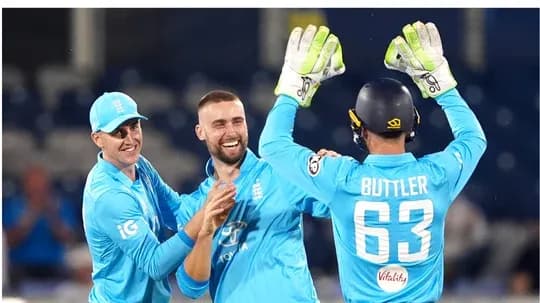
Shaheen Afridi inevitably came up. Akram described him as an experienced bowler now, not a raw kid. He admitted he did not know why Shaheen’s pace had dipped, but he was clear on one thing: a bowler of Shaheen’s stature should have been in England.
“If it were up to me, I would have asked for Akif Javed, as he bowled well recently in England,” Akram added, offering a concrete alternative he felt had earned a look.
A long-term fight, not a quick fix
Akram’s words arrive at a time of mounting anxiety over Pakistan’s Test future. Series defeats to Bangladesh, struggles in England, and a steady erosion of batting standards have turned what once felt like a temporary slump into something more structural.
He did not offer an easy escape route. No magic coach, no overnight PSL tweak, no single selection gamble.
He asked for something far harder in Pakistan cricket culture: time, patience, and a willingness to rebuild from the ground up.
If the PCB listens, the next great Pakistan Test batter might yet walk out of a revived club system, not just onto a PSL stage. If it doesn’t, the question Akram posed – “has a single batter been produced?” – may haunt more than one generation.