The Tragic Death of Arjun Menon: A Family's Search for Justice
The Sunday morning that shattered a family began with something as ordinary as a house viewing.
In the car, somewhere in Singapore, a phone lit up with an unfamiliar country code. It rang out once. Then again. And again.
When the youngest Menon sibling finally answered, the world they knew ended with a scream from thousands of kilometres away.
Arjun Menon was dead.
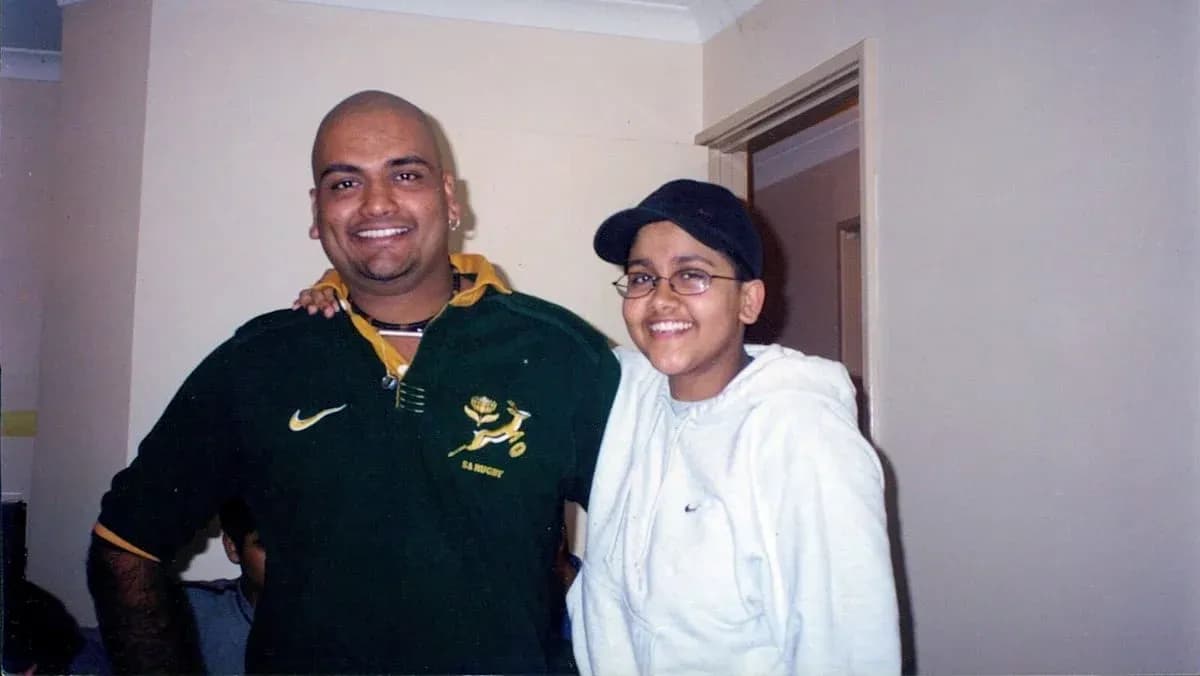
Not the national cricket coach, not the former Singapore player, not the man building a sporting future in Malawi. Just Arjun — the eldest child, the “cool kid” from Neptune Court, the brother who taught his sisters never to punch down.
He was 48, killed in his home in Blantyre, Malawi’s second-largest city, by unknown assailants who took his car and his wallet and left his family with almost nothing else. No clear answers. No arrests. No closure.
A call, a scream, and then a silence that has lasted more than a year.
A brother before a coach
When Ms Prema Menon talks about Arjun, she does not start with cricket.
She starts with Neptune Court. With the boy who was her first friend. With an older brother who moved through childhood like gravity — the centre of games, jokes, and that unspoken family rule he lived by: never punch down.
As adults, life scattered the siblings. Prema to Melbourne via Singapore and Australia. Arjun to Africa, where he settled in Malawi in 2020. Their younger sister stayed in Singapore. They were, as Prema puts it, “orbiting satellites” — distant, but always revolving around the same family core.
Her father spoke to Arjun every day. They knew his routines, his plans, his hopes. They also knew how much he loved Malawi and the community he was trying to lift through cricket.
So when the call came that Sunday in May 2025, shock gave way almost instantly to a different fear.
“I was just in shock,” Prema said. “My father used to say … the biggest curse is losing your child, and all I could think of was my parents. I didn't really care about myself.”
Her mind went straight to them.
“I was just like, what am I gonna do? My parents have lost their child. How do we come back from this?”
A journey into the unknown
Within days, grief had to make room for logistics.
Prema prepared to fly to Malawi, a landlocked country in southeastern Africa, around 18 hours from Singapore. She knew only the barest outline: Arjun had been attacked at 2am. His car and wallet were gone. He was dead in a city he had grown to call home.
Her father was adamant: the killers must have been strangers. In Blantyre, Arjun was “very well loved in the community”. He had never spoken of feeling unsafe. No threats. No warnings.
Prema stayed in Malawi for about 10 days. She buried her brother there. She tried to piece together what had happened in a place where she barely knew the system, the people, or the process.
The family turned to the president of Cricket Malawi — where Arjun had worked as head of cricket operations and coach of the national team — to liaise with police. The updates came, but they were always the same.
“They’re still investigating.”
Week after week. Month after month.
Hitting a wall
Back in Australia and Singapore, the Menons began knocking on every door they could think of.
They approached Singapore’s Ministry of Foreign Affairs (MFA), only to run into geography and protocol. Singapore has no diplomatic representation in Malawi; the nearest embassy is in South Africa. MFA could liaise with foreign authorities, provide undertaker contacts, and pass on information. It could not investigate, give legal advice, or file police reports on their behalf.
Prema went to the Singapore Police Force and several Members of Parliament. The Singapore Police Force said it had contacted the Malawian authorities and would provide assistance if a request came from them. As of Aug 31, no such request had been made.
The Malawi police, contacted repeatedly by CNA, did not respond. MFA declined comment.
For the family, the silence was deafening.
In December, six months after Arjun’s killing, another blow landed. Prema’s mother died. The search for answers paused, not by choice but by emotional necessity.
Grief layered upon grief. The questions remained.
A case that refuses to move
When Prema resumed her efforts in July, she did what families in such situations often end up doing: she started calling Malawian officers herself.
One officer told her he had already sent a report to the embassy months earlier. The reality was more dispiriting. When MFA eventually forwarded the document, she saw it had been sent only on Jul 31 — after her call.
The report offered almost nothing new. The line did not change: police were still investigating.
Then, in August, a small crack of light appeared. A new investigating officer told her that CCTV footage and call logs had been reviewed. Nothing had surfaced.
Not progress in the dramatic sense. No suspects. No breakthrough. But at least confirmation that someone, somewhere, still had the file on their desk.
It eased one fear — that the case had gone cold and been quietly shelved — but raised another.
The family had already identified themselves to Malawi police through MFA. Yet most updates had come only when Prema pushed, called, wrote, insisted. Rarely the other way round.
She also found herself lost in the machinery of another country’s system.
Without contacts on the ground, who do you call? Which office? Which department? Which person?
"I just think we need help," she said. "There's something missing here to get us to the next stage, and I don't think a private citizen can do it on their own."
Grief, public and private
In July, Prema took her search somewhere new — online.
She began documenting her efforts on Instagram, laying out the steps, the dead ends, the unanswered questions. It was part awareness campaign, part roadmap for others, and part therapy.
“Right now, if you're unlucky enough to lose someone in a country without a Singapore embassy ... you figure it out as you go, through calls, emails, and a lot of trial and error, the same way I did," she wrote.
With more Singaporeans living and working in places where the country has no diplomatic presence, she believes stories like hers will not be rare. Not a failure of any one person, she stresses, but a gap in systems that never imagined this many citizens spread this far.
The Instagram page became more than a record. It became a place to sit with a different kind of loss.
“He was there from the very beginning. He's my first friend, your sibling … It's very different from the loss of my mum because a loss of a sibling is like losing a part of your body. Like it's no longer there.”
Her inbox filled. Voice notes, sometimes five minutes long. Messages from former players, friends, colleagues. People who wanted her to know what Arjun had meant to them, how their lives had shifted because of a coach who believed in them, or a friend who showed up when it mattered.
A legacy on the field and beyond
At the end of August, the tributes moved from screens to turf.
Friends organised a charity cricket and football tournament at Singapore Cricket Club in Arjun’s honour. As of Sep 14 evening, more than S$13,000 had been raised on Give.Asia.
Most of that money will go to Maoni Orphanage in Malawi and the Vivekananda Cultural Centre in Singapore — two places that reflect the twin poles of his life: the country he adopted and the community that shaped him.
On paper, many will remember Arjun for his sporting resume.
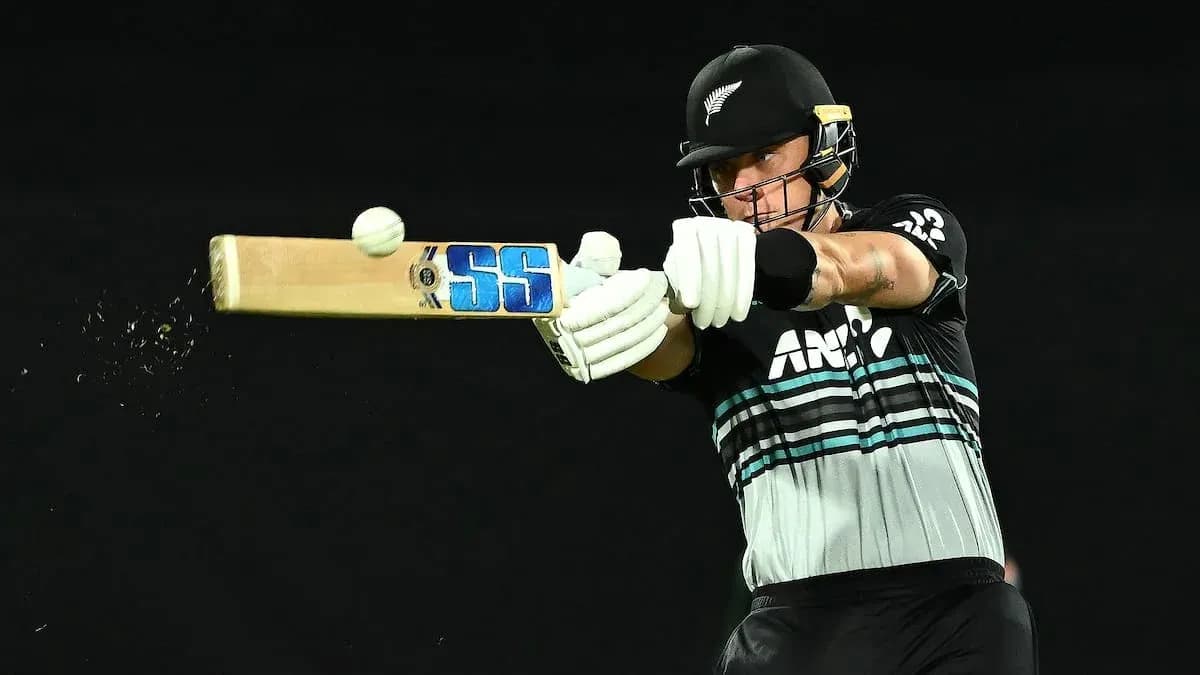
He played for Singapore’s national cricket team. Later, he guided Singapore to a gold medal at the 2017 SEA Games as coach. In Malawi, he threw himself into the task of building a cricket culture in a football-mad nation, taking on the role of head of cricket operations and national coach.
But for his sister, the statistics and medals are only half the story.
She wants people to remember his values. The way he felt things deeply. The way he collected friends across borders and backgrounds. The way he tried, always, to leave people better than he found them.
“Hindus, we believe that when your time is up, when your purpose is done in this world, you'll be called back. That's how we view it,” she said.
“Sometimes I like to believe that, but when I hear these stories, it's very hard to believe because I feel like he has so much more to do.”
He once told their father he wanted to buy a farm when he retired. A quiet dream, tucked behind the noise of nets, scorecards, and training sessions.
Love, unanswered
Today, the Menon family lives with two parallel truths.
In Malawi, Arjun Menon is remembered as a coach who poured himself into a young cricketing nation. In Singapore and Australia, he is the brother and son whose death remains an open wound.
No one has been charged. No one has been named. The investigation, they are told, continues.
“Lastly, my hope is that as much as Arjun loved Malawi, I hope some of that love is returned,” Prema said.
“For his death to go unanswered in a country he loved so much, I feel is a very sad way to end things.”