Tavengwa Mukuhlani Elected ICC Deputy Chair: A Milestone for Zimbabwe Cricket
Tavengwa Mukuhlani’s rise to one of cricket’s most powerful seats comes at a moment when the sport’s map is being redrawn — and Africa is back on it in bold.
The Zimbabwe Cricket chairman has been elected Deputy Chair of the ICC, succeeding Imran Khwaja after the veteran Singapore administrator’s near 20-year stint as an Associate director on the Board ended in July. Khwaja, a long-time power broker for the Associate members, lost out in Board elections earlier this year and stepped down as deputy chair soon after.
Mukuhlani steps into the role with deep experience inside the game’s corridors of power. He already sits on the ICC Finance and Commercial Affairs Committee and the Nominations Committee, and he chairs the HR and Remuneration Committee — a portfolio that has placed him at the heart of the organisation’s money, people and governance.
This is not just another boardroom reshuffle. The timing is loaded.
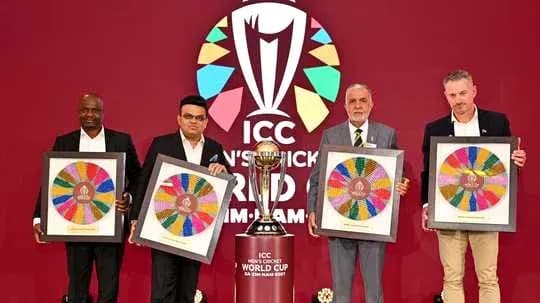
Zimbabwe will co-host the 2027 Men’s ODI World Cup, a tournament that returns cricket’s flagship event to Africa for the first time in 24 years. In its announcement, the ICC underlined exactly why Mukuhlani’s elevation matters now, stressing that his leadership at Zimbabwe Cricket and his grasp of the region would “bring valuable insight” as the organisation and its Members work to deliver what it called a “landmark World Cup” on the continent and use it to drive growth across Africa.
For Zimbabwe, long fighting for relevance and stability on and off the field, it is a breakthrough moment. For the ICC, it is a statement that Africa’s voice will sit closer to the top of the table as the game chases new markets.
Mukuhlani himself framed the appointment as both honour and responsibility. He spoke of being “deeply honoured” by the trust of his fellow ICC Board directors and “grateful for the opportunity” to serve as Deputy Chair, and he made it clear his gaze is fixed on collaboration with ICC Chairman Jay Shah. He praised Shah’s “leadership, energy and ambition” and the “clear sense of purpose” they have brought to the organisation, highlighting a sharpened focus on growing cricket, creating opportunities for Members and reaching new audiences and markets.
That last point matters. Cricket is on the brink of a fresh global push.
With the sport returning to the Olympic Games and the ICC driving expansion into non-traditional territories, the next decade could look very different from the last. Mukuhlani said he was eager to support Shah and the rest of the Board in advancing their shared priorities and serving “the best interests of cricket globally” as the game stretches into new corners of the world.
Shah, in turn, did not underplay the significance of the move. He hailed Mukuhlani’s “experience in cricket administration, understanding of the global game and commitment to its development” as assets that will be “invaluable” to the ICC Board. Shah pointed out that Mukuhlani has earned the confidence of his peers and linked the appointment directly to the ICC’s broader mission: strengthening cricket across its Members and creating “greater opportunities for the game to grow worldwide.”
Then came the line that will resonate far beyond Harare. Shah called the election “a significant milestone for Zimbabwe,” noting that Mukuhlani becomes the first Zimbabwean to serve as ICC Deputy Chair.
For a country preparing to help host a World Cup on home soil, that is more than symbolism. It is a seat at the top table at exactly the moment the sport returns to its biggest stage in Africa.