Suryakumar Yadav: The Captain Who Smiled Through Change

For a man who spent two years smiling his way through pressure chases and knockout nights, the end arrived with the same expression.
No drama. No outburst. Just a grin when his name disappeared from the India squad list.
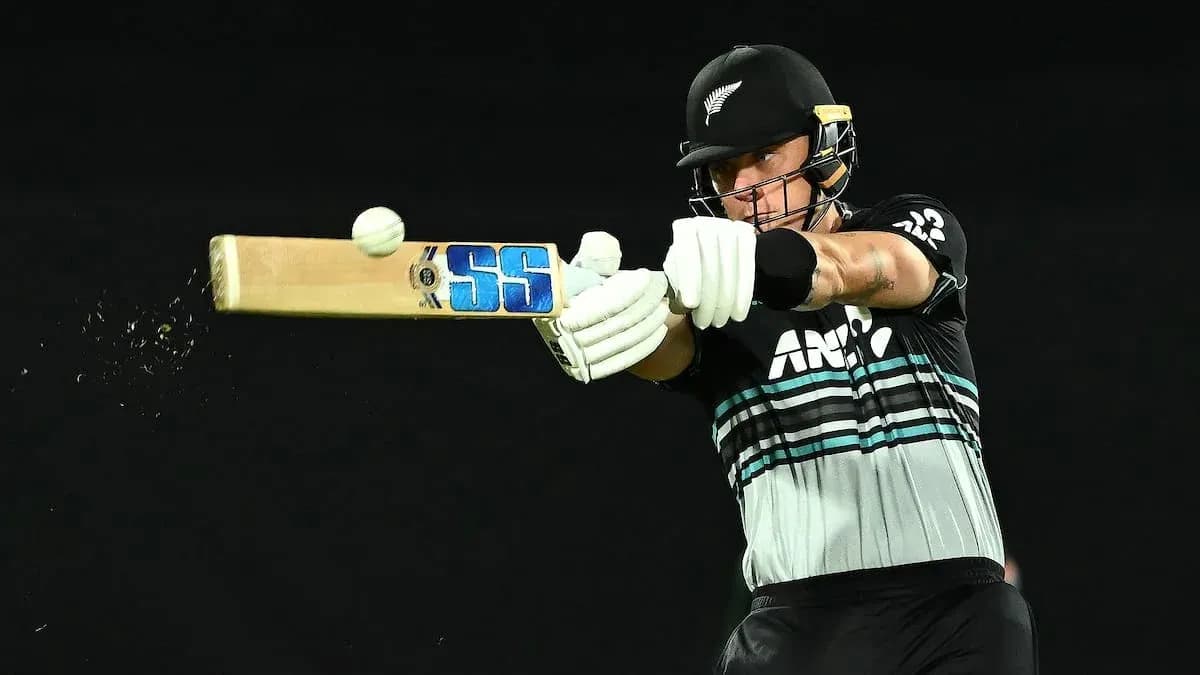
In 2025, Suryakumar Yadav’s bat went quiet in Indian colours. Not a single fifty all year, and at the T20 World Cup on home soil, only one innings truly carried his stamp – a decisive knock against USA at his beloved Wankhede Stadium. Yet as captain, he barely missed a step. India did not lose a single series under him and finished by lifting the T20 World Cup at home. On paper, it looked like the beginning of a reign, not the end of one.
He thought so too.
A captain who never lost a series, but lost his job
When 2026 rolled in, Suryakumar believed he was just getting started. In his mind, the roadmap was clear: lead India for another couple of years, steer them to the Olympics, then into another T20 World Cup. Another cycle. Another set of challenges.
The selectors saw something else.
“They called me 2-3 days before the team was announced,” he told former India batter Aakash Chopra on the latter’s YouTube channel. The message was blunt: it was time to move on. A new team, a new captain, a new direction.
He didn’t argue. He didn’t plead. He didn’t even flinch.
“I smiled when my name was not there,” he said. It was not bravado, he insisted, but muscle memory. This is how he has always dealt with turbulence – by relaxing, by leaning into gratitude for the chances he has already had. Pressure situations, bad patches, hostile crowds: his instinct was to smile, not snap.
Still, even the calmest player in the room can feel a jolt when the door quietly closes.
Confusion behind closed doors
Publicly, Suryakumar stayed measured. Privately, the questions kept circling.
For a month and a half, he sat at home, replaying the decision in his head. India had just won the T20 World Cup. They had the Asia Cup in the bag. Under his captaincy, they had not dropped a single series. From the outside, continuity looked like the obvious choice.
“When everything is going well, then why? What is the reason for the change?” he admitted thinking. The same thought kept returning, looping in his mind.
Friends dropped by. Family tried to console him. “It’s okay. Part of life,” they told him. The house would fill with noise, with sympathy, with well-meaning advice. Then the front door would shut, the visitors would leave, and the silence would settle back in.
“We stay alone at home,” he said. That is when the disbelief crept in. How could this happen so soon after a World Cup win? How could one underwhelming IPL season weigh so heavily against two years of spotless results as captain?
He never named names. He never pointed fingers. Instead, he tried to step into the selectors’ shoes. From their vantage point, he reasoned, they wanted to build a team for the future. They had their own vision, their own timeline. “What you think and what the other person thinks are two different things,” he said. “It is important for them to respect their own thoughts.”
They took a call. He chose to respect it.
No bitterness for Shreyas, only a bruise
The armband went to Shreyas Iyer, a player Suryakumar knows well and rates highly. He has shared dressing rooms and pressure overs with him. He has seen his temperament up close.
“I have also played a lot of cricket with Shreyas. And I know he is a good player, a good human being, and a good captain also,” he said. There was no trace of resentment in that assessment, no hint of “why him and not me?”
He refused to turn it into a personal rivalry. The disappointment, he made clear, lay with the timing, not the successor. The decision hurt because of what had just been achieved, not because of who replaced him.
“You have not lost a single series in two years. You have won the World Cup and the Asia Cup. Then you want the same thing to go forward,” he said. That was the crux. Momentum had been built, trust had been earned, silverware had followed. Then the plug was pulled.
Yet every time he circled back to the same question – why the change now? – he stopped himself at the same conclusion: “Whatever call someone took, he must have thought that this was better for the team.”
No tantrums, only a promise
The selectors told him it was time to move on. He listened. He did not lash out. “I didn't react. Because it's not my fault. That's not how SKY has ever been,” he said.
There was steel in that line. Not self-pity, not anger. Just a firm sense of who he is and how he chooses to respond.
He accepted that others now carry the responsibility he once shouldered. If the team thrives under a new leader, he said, “no problem.” The badge on the chest matters more than the name on the captaincy line.
But he also left the door wide open.
“I am ready. You can call me anytime. I am playing cricket anytime. I will continue to play. Whenever you feel the time is right. Things are right,” he said.
No guarantees. No demands. Just a simple, unwavering statement: he will keep batting, keep working, keep waiting.
India have already moved into a new era, with a new captain and a fresh blueprint. The question that lingers is not whether Suryakumar has accepted that reality. He clearly has.
The real question is this: when the pressure returns and the games tighten, will Indian cricket miss the captain who met chaos with a smile?