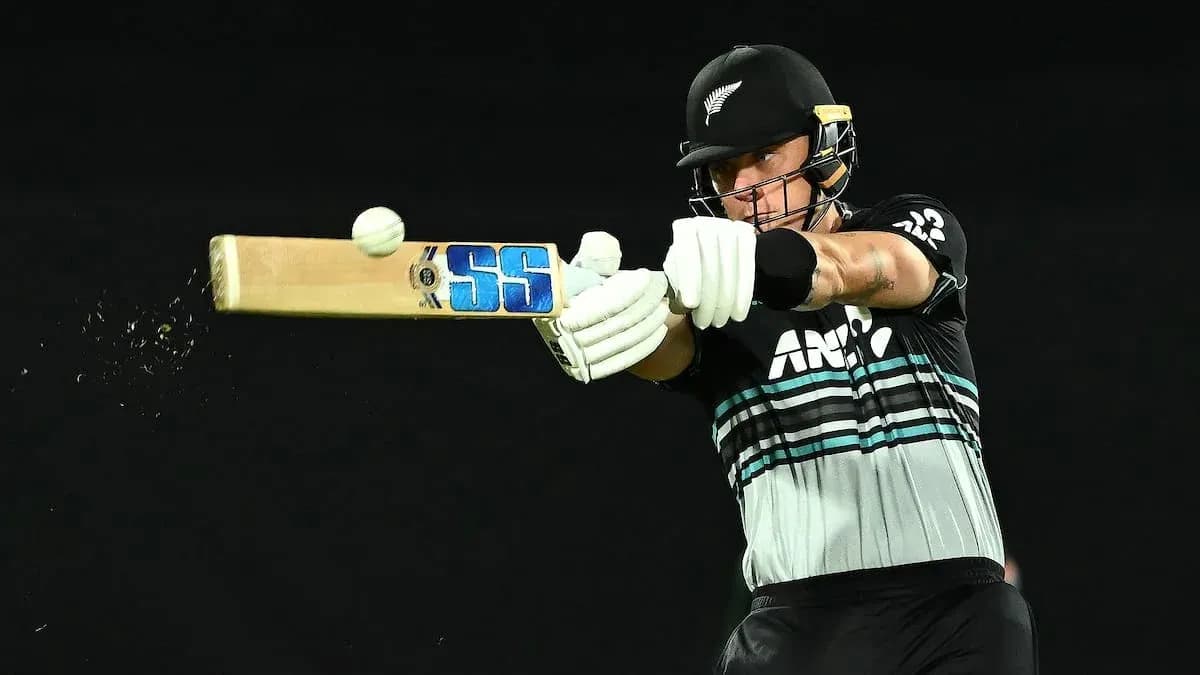
Steve Smith Reflects on Sandpaper Scandal and Return to South Africa
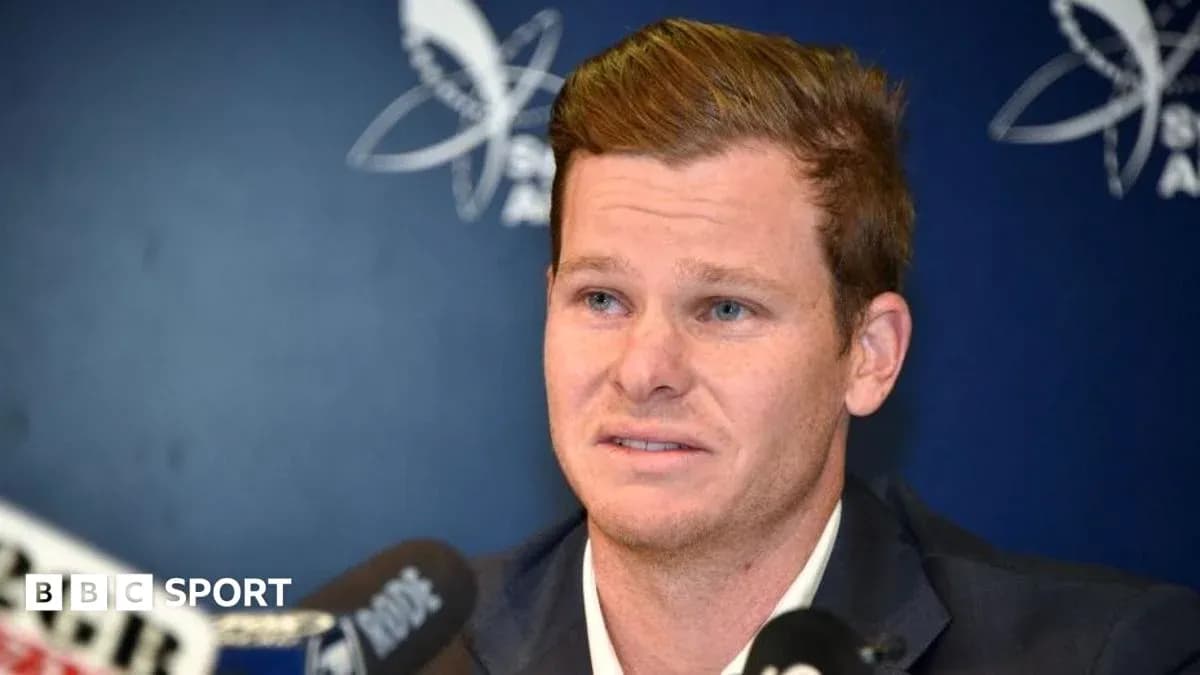
Steve Smith still flinches at the sound.
Six years on from Cape Town, from sandpaper and scandal and a nation’s outrage, the flash of a camera can still drag him straight back into the worst 48 hours of his life.
Australia are about to play their first Test series in South Africa since that chaotic 2018 tour, when Smith, David Warner and Cameron Bancroft were sent home in disgrace before the final Test. The cricket has moved on. Smith, by almost any measure, has rebuilt his career. His mind, clearly, is still catching up.
‘Thrown to the wolves’
In a candid interview with News Corp, published on Thursday, Smith laid bare how deep the scars still run.
"I'm not a big fan of cameras, I get anxious around cameras," he said. "That was a traumatic experience in my life and when I hear the flash of a camera it makes me revisit that, in a way."
The trauma has a very specific shape. It’s the Johannesburg airport, the mob of cameras, the sense of isolation.
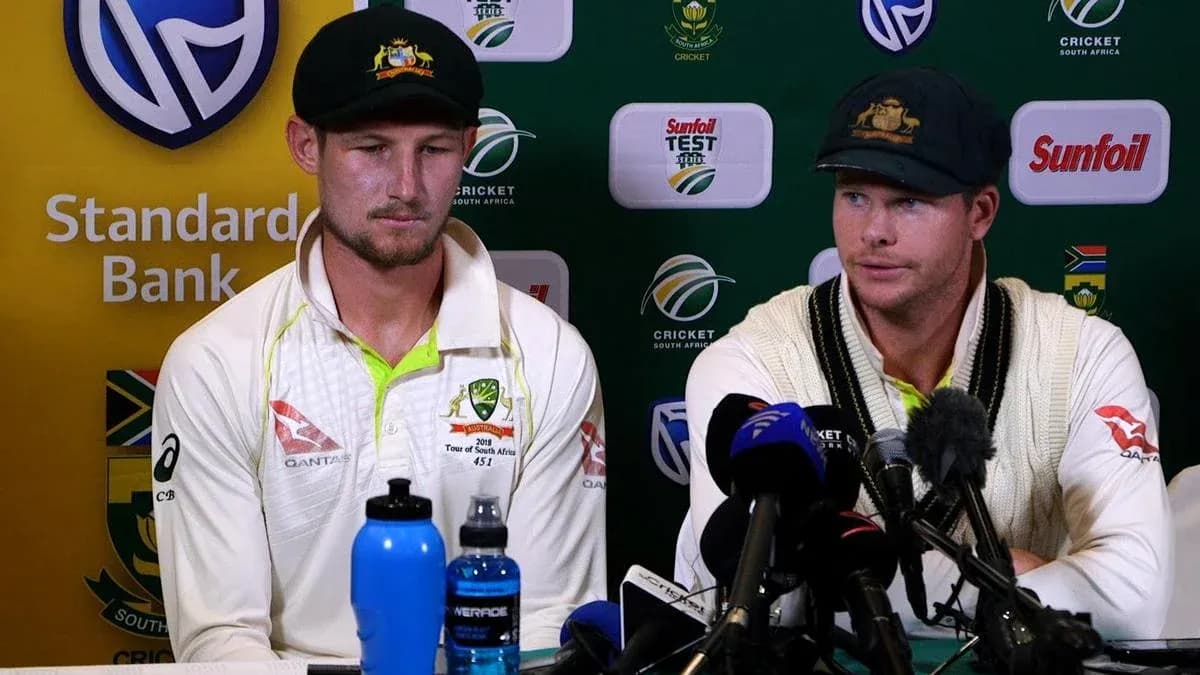
"The 24-48 hours after being told by James Sutherland that I was getting banned for a year, going through the airport in Johannesburg getting absolutely mobbed, and then flying back and doing that press conference... I still have little flashbacks here and there of it.
"I felt like I was kind of thrown to the wolves through [Johannesburg] airport. I didn't have any support there at all."
That airport walk, then the tearful press conference at Sydney airport, became defining images of the ‘sandpapergate’ fallout. Smith stripped of the captaincy. A one-year ban from all international and domestic cricket imposed by Cricket Australia. Warner, his vice-captain, hit with the same length of suspension. Bancroft sidelined for nine months.
Australia’s then prime minister, Malcolm Turnbull, called the affair something that had "bitterly disappointed the whole nation". The glare on Smith, as he left South Africa and then returned home, was unforgiving.
Blocking out 2018
Smith does not romanticise his own resilience. He admits how close to the edge he went.
"It was certainly a difficult period, particularly the initial few days after," he said. "The mental state I was in was not great.
"That's somewhere I'd like not to get to again, but I certainly learned from that and have been able to move forward with my life."
Move forward, yes. Remember, no.
"I've tried to kind of erase a lot of 2018 and what happened," he added. "I can't remember a lot about the series. I've tried to block most of it out of my memory bank."
For a player whose career has been built on obsessive recall — of bowlers, fields, patterns, tiny technical cues — that admission says plenty. Some chapters, even for elite athletes, are too heavy to re-read.
From exile to elder statesman
Smith’s cricketing resurrection is well documented. He returned to the Australia side in 2019 and immediately reminded the sport why his absence had felt so large, re-establishing himself as one of the premier batters in world cricket.
After serving a two-year leadership ban, he was restored to the inner circle before the 2021-22 Ashes, named Test vice-captain and trusted to step in as captain when Pat Cummins has been unavailable. From pariah to deputy leader of the national side in three years: a journey as stark as it sounds.
Yet the emotional toll has never fully left. It has simply been repurposed.
Smith has already been back to South Africa once, for a one-day series in 2020, and has walked into hostile arenas across multiple Ashes tours in England. The boos, the sandpaper signs, the songs — they have become part of his working environment.
"It's something I'm kind of used to," Smith said. "I've copped a lot at times away from home, at different venues across my career, and it's something that I take in my own stride.
"I use it as motivation to try and go out and do well, and try and take a positive from it."
Back to the scene
Now comes the full return: a three-Test series in South Africa, starting in Durban on 9 October. Australia’s first red-ball assignment in the country since the scandal exploded.
The narrative will write itself in the build-up. Old footage will roll. Old quotes will resurface. Old judgments will be reheated.
Smith cannot stop that. What he can control is how he walks back into a country where his career almost came apart. Not as the broken man from the Sydney press conference, but as a 37-year-old survivor, still hearing the camera shutters, still feeling the bruises — and still batting at the heart of Australia’s hopes.