Stephen Fleming’s Vision for England’s Test Team: Aiming to Beat Australia
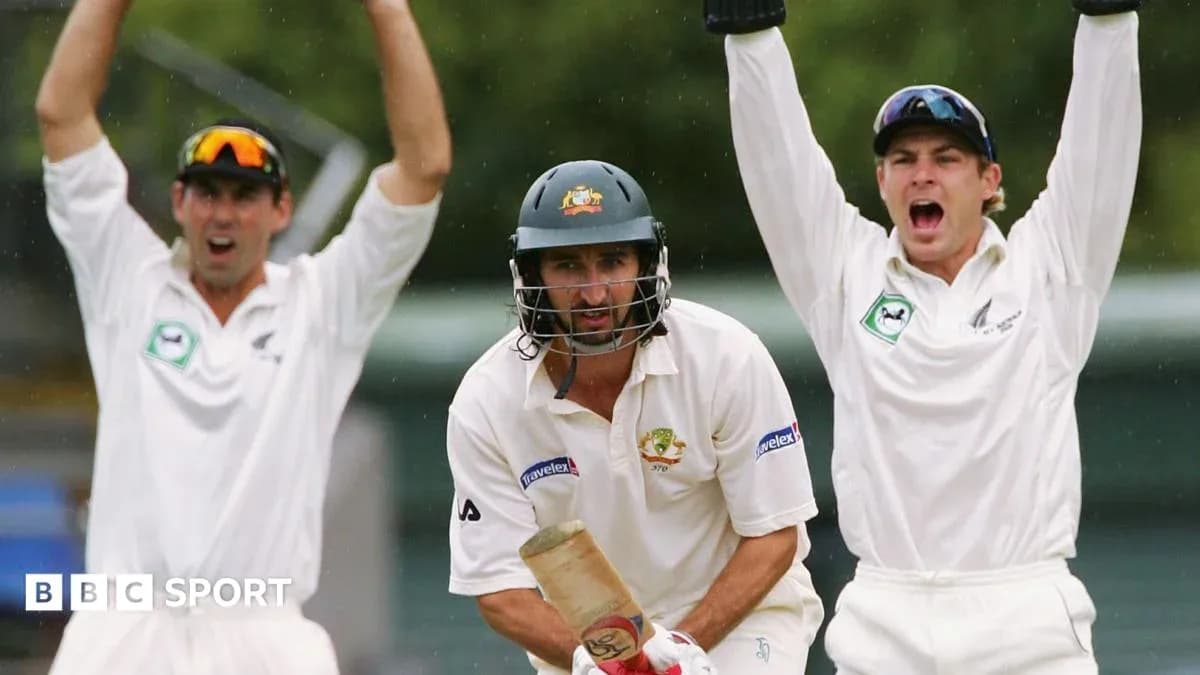
Stephen Fleming walked into his first media briefing as England’s new Test coach with one message pulsing louder than the rest: he wants to beat Australia as badly as anyone in the country.
Not temper it. Not park it. Embrace it.
“I have an obsession with it as well,” he said of the Ashes fixation that has shaped English cricket for generations. “We want to beat the Aussies… We have a deep desire to beat Australia in everything, as the little cousin.”
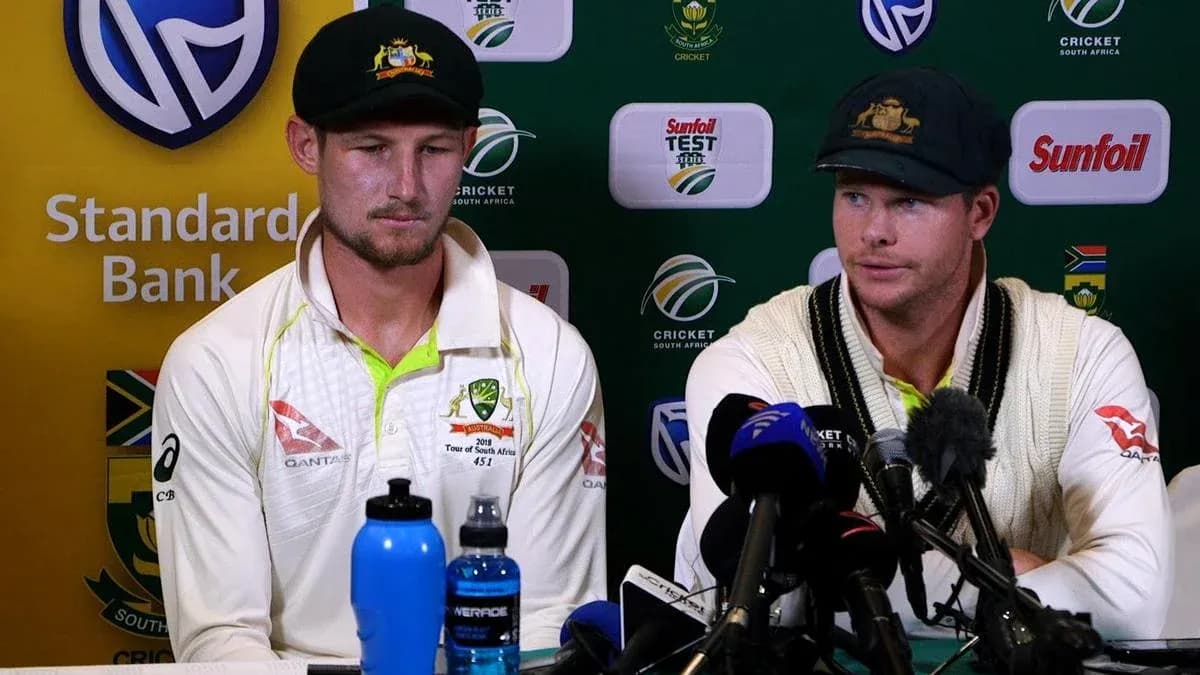
From New Zealand, the “little cousin” in his own words, Fleming knows exactly what it means to live in Australia’s shadow. Now he steps into a job where that rivalry is not just emotional fuel, but a measuring stick. The next Ashes comes in the UK next summer, and England have not won a series against Australia since 2015. Last winter’s 4-1 hammering down under still hangs in the air.
Fleming doesn’t intend to duck any of it.
A grown-up in the room
Almost two months after his appointment in July, this was the first time the former New Zealand captain had laid out his vision in public. The timing matters. England’s Test side has lurched through chaos on and off the field: a disjointed end to Brendon McCullum’s reign, a style that sometimes veered into recklessness, and late-night controversies that refused to go away.
Fleming’s demeanour cut sharply against that backdrop. Calm. Measured. Authoritative. It felt less like a manifesto, more like a reset.
“I want to be my best self and have a team that represents itself in the best possible way,” he said. “I’ve got a vision of that and it’s aspirational. It will be brilliant.”
He never beat Australia in 14 Tests as a player. That scar tissue shows in the way he talks about opportunity. “You don’t think you’re ever going to get that opportunity. To have that opportunity and be part of it, I can’t wait.”
The sense is clear: this is personal.
No “brand”, just hard cricket
Under McCullum and Ben Stokes, England were celebrated and criticised in equal measure for their attacking “brand” of cricket. They thrilled. They also misread conditions, missed details and, at times, looked unwilling to adapt.
Fleming wants something different.
On the question of whether a Test side should have a defined brand or style, his answer was blunt: “I don’t think so. The greatest thing for a team to do is to be able to play conditions and situations.”
He wants England to be known for planning and discipline first, flair second.
“I’d love people to say we are well-planned, there’s a discipline and a really strong basic structure to what we’re doing, but there’s also a bit of flair.”
That is Fleming in a nutshell. Play the percentages, then decorate them.
He captured the contrast with McCullum in a single line. “I’ll bet on the favourite and he’ll bet on the longest odds possible.” During McCullum’s tenure, England often chased those long odds. Under Fleming, the odds will still matter, but he will be the one setting them.
The pair are close friends and business partners, which should ease the split-coaching model that has previously tripped England up. McCullum remains in charge of the white-ball side; Fleming now runs the Test team. Inside the camp, some have already framed their relationship as “big brother”.
There is a sense that the older sibling has just taken the wheel.
Standards, not slogans
If style was one fault line of the McCullum era, discipline was another. Late-night drinking stories clung to the side even after the change of coach. The latest flashpoint involved pace bowler Brydon Carse, who was investigated by Derbyshire Police after an alleged assault last month. The case has been closed with no police action, but Carse now faces an investigation from the Cricket Regulator and has not featured in any England squad since the incident.
Fleming didn’t duck that, either.
“There are standards,” he said. “We pick on runs and wickets primarily, but I think it’s foolish not to also say there are standards that need to be set.
“You need to behave in accordance with your position. We’re in a very privileged position, and it’s understanding that privilege and what goes along with it. It can’t be convenient.”
That last word did a lot of work. Convenient. Players cannot, in Fleming’s eyes, choose when to live up to the badge.
“You’ve got to live it every day. If we can create something when you want to live it every day and better, then that’s really powerful.”
For anyone banking on a quick return after off-field trouble, that sounded like a warning shot.
Stokes off limits
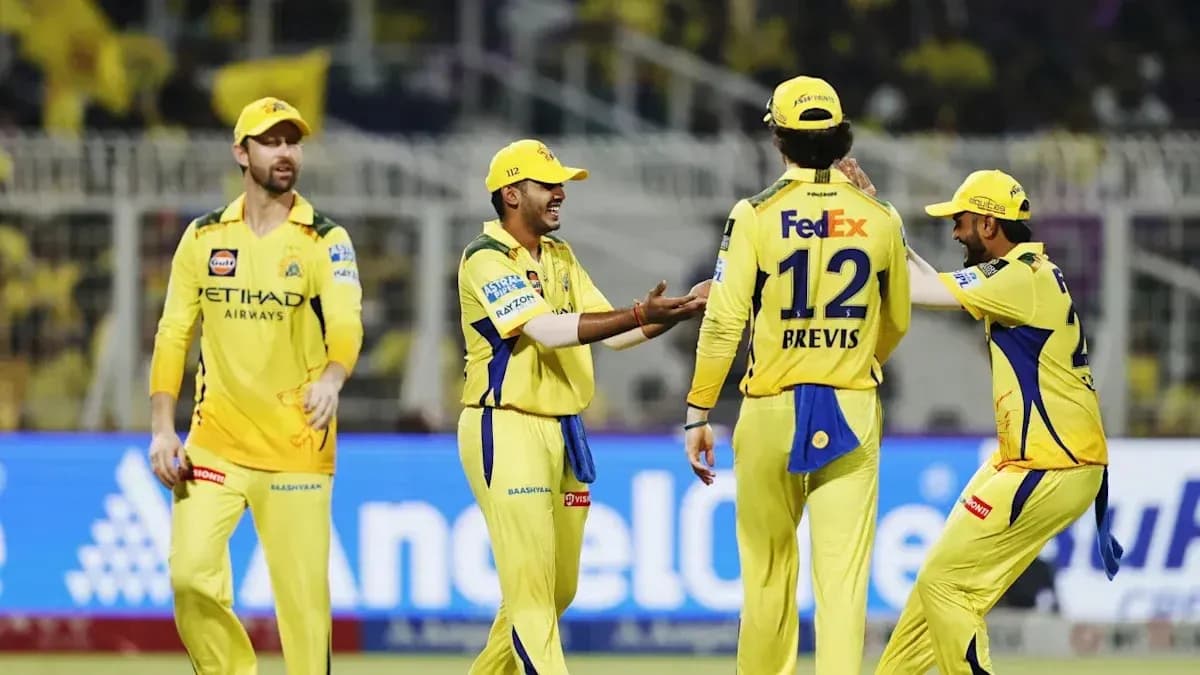
If there was one obvious temptation for a new Test coach, it would be the idea of persuading Ben Stokes to reverse his abrupt retirement from international cricket in July. Stokes has a long-standing relationship with Fleming from their time together at Chennai Super Kings in the IPL. The door would have been easy to knock on.
Fleming refuses to touch it.
He met Stokes during Durham’s draw with Worcestershire and saw a player at ease with his decision.
“He was in a great space, really happy, enjoying his time with Durham,” Fleming said. “He’s got a good winter planned with the family and is very much at peace with his decision.”
The respect line was firm.
“When a player makes that decision to retire, I respect that decision 100%. To try to turn that around and question that is wrong. I know how much goes into that type of decision, and I respect that.”
It was a small moment, but a telling one. No grand emotional pitches, no public campaigns. Just a clear boundary.
A lighter touch behind the stern lines
For all the talk of structure and standards, Fleming’s personality still slipped through. He joked that he has a “stress fracture of the left ear” after the volume of phone calls with players and staff since taking the job. He laughed about occasionally arriving in fancy dress at Chennai Super Kings to loosen the mood.
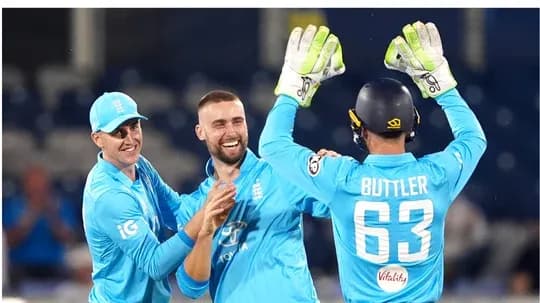
He has already toured counties, dropped into dressing rooms, and watched England beat Sri Lanka in the third T20 at Old Trafford. This is not a coach planning to hover at arm’s length.
When asked about the idea of “Flemball” as a successor to “Bazball”, he swatted it away as a “medical condition”. No appetite for slogans, just a subtle reminder that the cricket should speak first.
He also made it clear he will treat the World Test Championship with a seriousness not always evident from previous England regimes. South Africa in December is the first step in that campaign, a tour that will show how quickly his ideas can take root.
England have turned to Stephen Fleming for something very specific: composure, clarity, and a harder edge beneath the calm. On this evidence, his England will be more assured, more mature, more level than the side that charged through McCullum’s tenure.
Possibly less fun. Almost certainly less chaotic.
The question now is simple: can that obsession with beating Australia, carried from the “little cousin” across the world, finally turn into something England have not tasted for nearly a decade – an Ashes series win?