Stephen Fleming's Vision as England Test Coach: Aiming for Ashes Victory
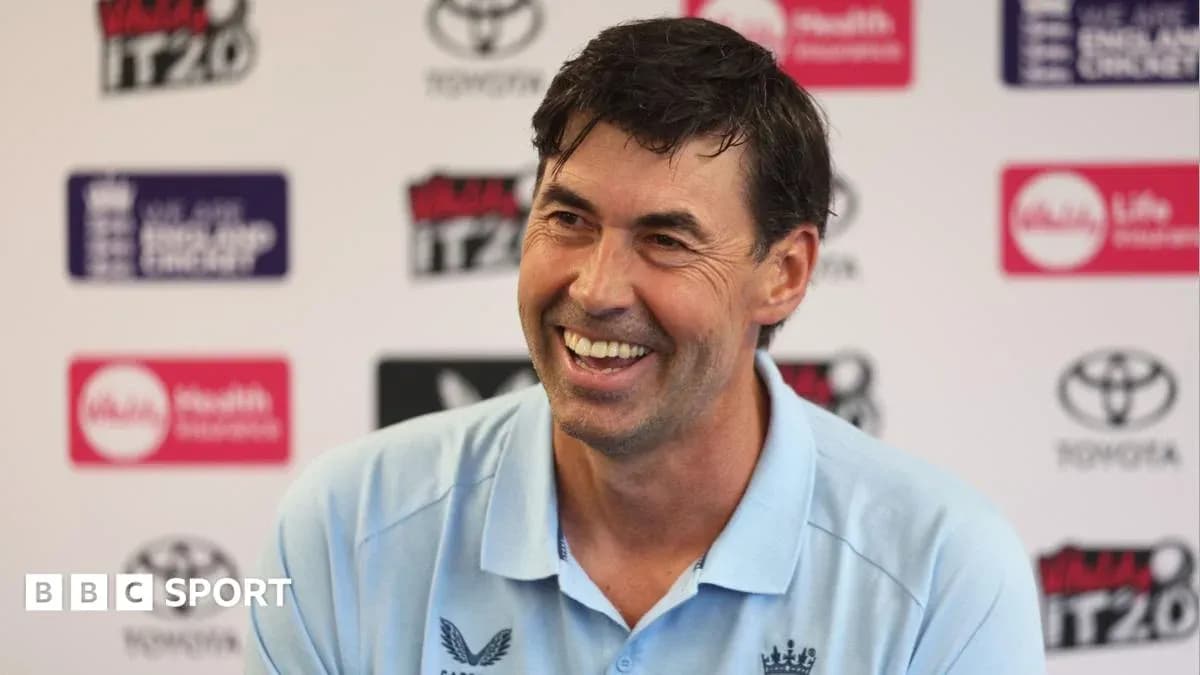
Stephen Fleming walked into his first media briefing as England Test coach and went straight to the heart of it.
The Ashes.
“I have an obsession with it as well,” he said. “We want to beat the Aussies.”
No hedging. No soft launch. England’s new red-ball boss made it clear: his tenure will be judged not just by tours and rankings, but by what happens when his team run into Australia.
A New Zealander, Same Old Rival
Fleming knows what it is to live in Australia’s shadow. As New Zealand captain, he never won a Test against them in 14 attempts. That scar tissue is real, and he’s not pretending otherwise.
“New Zealand has an obsession with it, we love it,” he said. “We have a deep desire to beat Australia in everything, as the little cousin.”
Now that “little cousin” is in charge of England, with an Ashes series in the UK next summer and a 4-1 hammering in Australia still raw in English minds. England have not won the urn since 2015. The next chance comes with Fleming at the helm.
“You don't think you're ever going to get that opportunity,” he admitted. “To have that opportunity and be part of it, I can't wait.”
He arrives after a chaotic spell. Brendon McCullum, his close friend and long-time business partner, was sacked as Test coach earlier this summer after winning only two of his final 10 Tests, a run that included that brutal tour down under. McCullum stays in charge of the white-ball side; Fleming takes the red-ball reins and, with them, a dressing room that has veered between exhilarating and exasperating.
From Long Odds to the Favourite
Fleming didn’t dodge the obvious comparison. Asked to define the difference between him and McCullum, he smiled.
“I'll bet on the favourite and he'll bet on the longest odds possible.”
That line told you plenty. McCullum’s England often chased the miracle. Sometimes it came off. Often it didn’t. Fleming sounds like a coach who will still take risks, but only when the numbers stack up.
On the question of “brand” cricket, he was firm.
“I don't think so,” he said when asked if a Test team needs a defined style. “The greatest thing for a team to do is to be able to play conditions and situations.”
He wants England to be recognised not for slogans but for substance.
“I'd love people to say we are well-planned, there's a discipline and a really strong basic structure to what we're doing, but there's also a bit of flair.”
That balance is his vision: structure first, then the flourish.
A Grown-Up in the Room
Almost two months after his appointment, this was the first real glimpse of Fleming’s England. The tone was calm, assured, even slightly understated. After a year of noise on and off the field, that in itself felt like a reset.
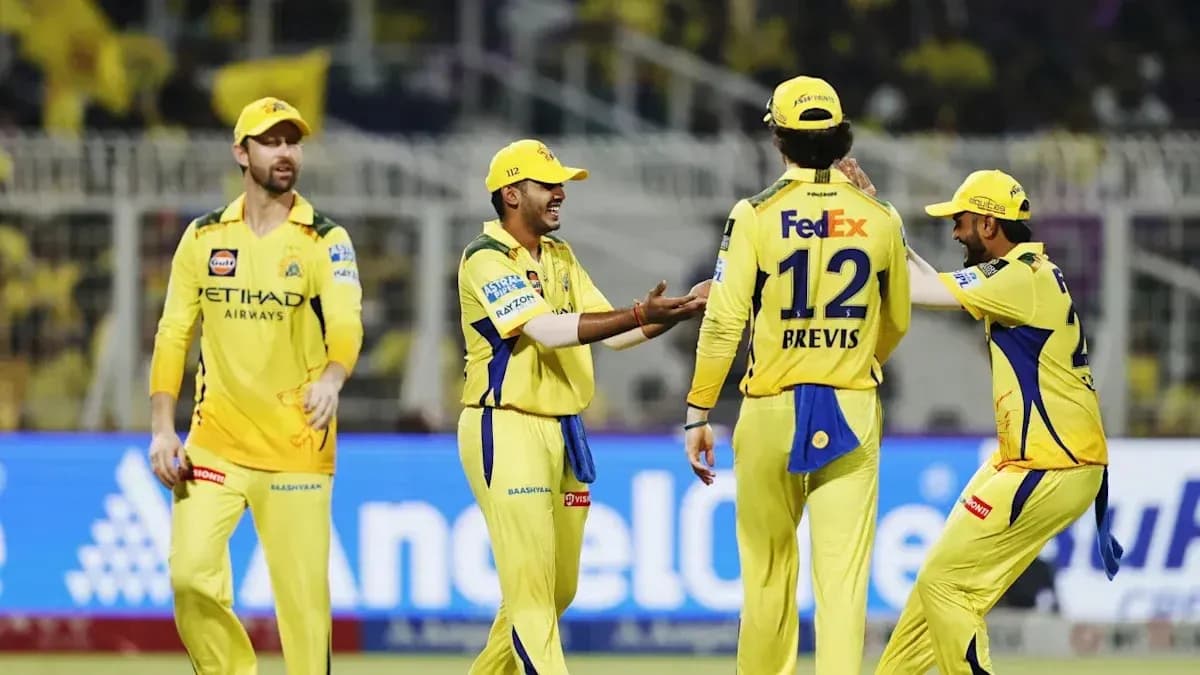
Those who know Fleming from his time with Chennai Super Kings in the IPL talk about a coach who can lighten a room without losing authority. That side surfaced too. He joked that he has a “stress fracture of the left ear” from the volume of calls with players and staff, and laughed about occasionally turning up in fancy dress at Chennai to ease the mood.
The humour was there, but so was a clear sense that he sees himself as the “big brother” figure in the split-coaching set-up with McCullum. That phrase – big brother – has already been used around the pair, and it fits. McCullum brought the freewheeling energy. Fleming looks like the one who will tidy the edges.
He also made it clear he will treat the World Test Championship with a seriousness not always evident in previous England regimes. This is not a coach who sees bilateral series as exhibition cricket.
No Twist in the Stokes Tale
One of the biggest questions facing any new England Test coach right now is simple: Ben Stokes.
The all-rounder abruptly retired from international cricket in July. Fleming knows him well from their time together at Chennai Super Kings, but he shut down any idea of a charm offensive to lure him back.
“He was in a great space, really happy, enjoying his time with Durham,” Fleming said. “He's got a good winter planned with the family and is very much at peace with his decision.”
Then came the line that closed the door.
“When a player makes that decision to retire, I respect that decision 100%. To try to turn that around and question that is wrong. I know how much goes into that type of decision, and I respect that.”
No backroom plotting. No romantic rescue mission. England will go to South Africa in December and into the Ashes summer without Stokes, unless he changes his own mind.
Standards, Not Just Stats
If McCullum’s reign was defined partly by daring declarations and wild chases, it was also stained by late-night controversies. Drinking incidents lingered around the Test side, and they did not disappear with the change of coach.
On Friday, Derbyshire Police confirmed they had closed an investigation into England fast bowler Brydon Carse after allegations of an assault last month. No police action will follow, but Carse now faces an investigation from the Cricket Regulator. He has not featured in any England squad since the incident, although he remains available for selection.
Fleming did not name Carse. He didn’t need to.
“There are standards,” he said. “We pick on runs and wickets primarily, but I think it's foolish not to also say there are standards that need to be set.”
Then came the sharper edge.
“You need to behave in accordance with your position. We're in a very privileged position, and it's understanding that privilege and what goes along with it. It can't be convenient. You can't be when it suits you to do the right things, then when you don't want it to suit you, not.
“You've got to live it every day. If we can create something when you want to live it every day and better, then that's really powerful.”
For some players on the fringes, those words will have landed heavily. “Standards” is no throwaway line when discipline has been under the microscope for a year.
No “Flemball”, Just Winning
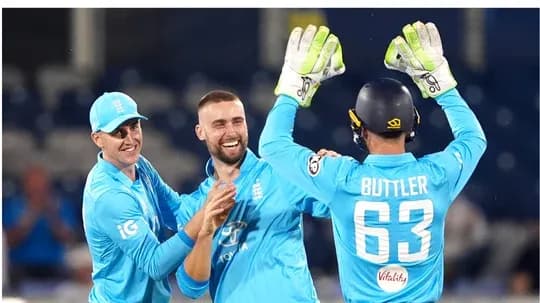
Fleming has spent the week on the road, quietly taking stock. He watched England beat Sri Lanka in the third T20 at Old Trafford on Saturday. Earlier, he visited several counties and met Stokes during Durham’s draw against Worcestershire, part of a crash course in the domestic landscape he will now rely on.
He missed the Pakistan series because of family and commercial commitments, but there was no sense of distance in his words. He spoke like a man who has already immersed himself in the job.
And when talk turned to the inevitable label – “Flemball” – he batted it away, joking that it sounded more like a medical condition than a cricketing philosophy. He has no interest in a marketing tag.
What he does want is simple: a side that plans well, adapts quickly, plays with discipline and just enough flair to unsettle opponents rather than themselves.
On this evidence, England under Fleming will be more measured, more mature and far less prone to the long-odds punts that defined the final months of McCullum’s tenure. Maybe it will be less chaotic. Maybe it will be less fun.
If it starts with a series win in South Africa in December and ends with Australia finally beaten next summer, nobody in English cricket will be complaining.