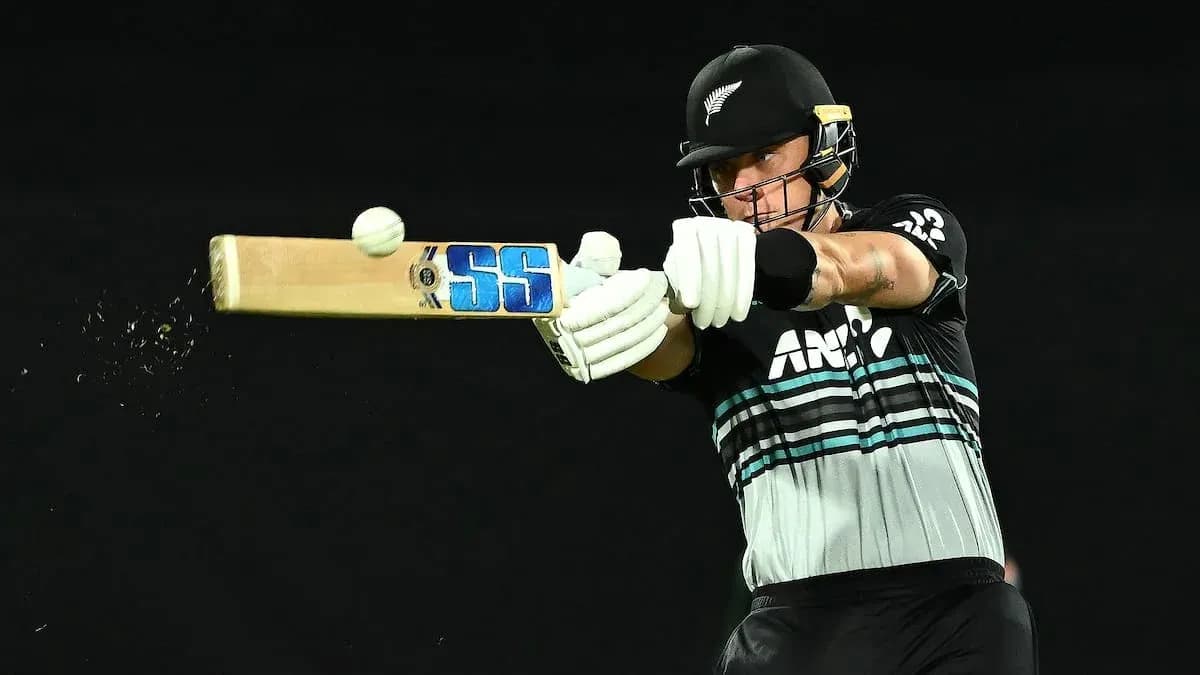
Sonal Dinusha's Unyielding Resistance Against India
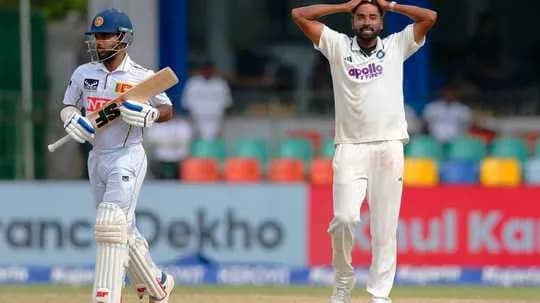
Sonal Dinusha walked off the SSC outfield with his bat raised and his shirt drenched, not in glory of victory, but in something just as cherished in Test cricket – survival. For seven hours in Colombo, he stood between India and a clean sweep, and he did not budge.
Unbeaten on 133, Dinusha turned what looked like a formality into a long, stubborn argument against inevitability. Asked to follow on, with Sri Lanka’s top order already broken once and India needing only four wickets on the final morning, the script seemed written. Dinusha tore it up, one leave, one block, one sweep at a time.
A seven-hour blockade
India arrived on the final day with the game in their hands and the new ball only minutes away. The pitch still offered a hint of turn, but the bounce and pace were honest, and that was all a batter with patience needed. Dinusha and overnight partner Keshara Nuwantha dug in, and the morning session became an extended exercise in frustration for Rohit Sharma’s bowlers.
The seventh-wicket stand grew slowly, almost grudgingly, but it grew. Over after over, they soaked up pressure, played late, and refused to chase anything they didn’t have to. The partnership swelled to 88 runs and, more importantly, devoured more than 40 overs. By the time India finally broke through, Sri Lanka had wiped out the first-innings deficit. The follow-on still stood on the scoreboard, but not in the psychology of the dressing room.
The breakthrough came just after lunch. Manav Suthar, who had been bending the ball in and testing both edges, finally found reward. One bit hard, gripped, and jagged in sharply, taking Nuwantha’s outside edge and flying to second slip. A long, gritty 40-plus-over alliance was over with a single misjudgment.
India sniff a finish
With that dismissal, India sensed a familiar pattern returning. The door was open again. Ravindra Jadeja tightened the screws, changing angles, probing the corridor. Prabath Jayasuriya, no stranger to long spells with the ball, tried to return the favour with the bat. He resisted for 28 deliveries, pushing, prodding, leaving when he could.
Jadeja, though, rarely goes away quietly. An attempted drive from Jayasuriya produced the error India wanted, the ball kissing the outside edge and carrying to Dhruv Jurel at second slip. Another one down. Two wickets left. The lead just beginning to stretch, but the clock still generous.
As Sri Lanka’s advantage crept beyond 150, India still had every reason to hunt the win. Time remained, the ball was still relatively new, and the lower order was exposed. A couple of quick strikes, a modest chase, and a 2–0 scoreline would be theirs. That was the theory.
Lahiru Kumara had other plans.
Kumara joins the resistance
Kumara is known more for the ball than the bat, but on this day he became the perfect accomplice. Dinusha, a left-hander with a solid technique and calm presence, found in him a partner willing to wear blows, play ugly when needed, and scrap for every dot ball.
The sweep became Dinusha’s release shot. When the spinners searched for rough outside his off stump, he went down on one knee and rolled them into the gaps. When they overpitched, he drove with care. When they dropped short, he waited. Nothing rushed, nothing forced.
Together, Dinusha and Kumara turned the match into a slow bleed for India. They faced 169 deliveries for just 47 runs, a passage of attritional batting that drained overs from the game and belief from the fielding side. The runs were almost incidental; the time was everything.
In that grind, Dinusha reached his hundred, a landmark carved out of discipline and defiance. There was no wild celebration, just a quiet acknowledgement of a job still unfinished. The task was not to win, but to deny India theirs.
India did get a glimpse, a half-chance that might have changed the tone of the final session. Soon after Dinusha’s century, Kumara went for a slog sweep, misjudged the length, and sent the ball swirling towards deep midwicket. Jurel came in, dived forward, but the ball dropped in front of him. One fleeting opportunity, gone.
Dinusha takes Sri Lanka to safety
Kumara’s resistance eventually ended on 12, an inside edge ballooning to short leg where Yashasvi Jaiswal did the rest. India had their opening, but not the time they wanted. Overs slipped away as quickly as Sri Lanka’s wickets had once fallen in the first innings. Now the pitch felt flatter, the ball softer, the fielders just a touch quieter.
Dinusha stayed rooted. He left with conviction, blocked with a full face, and refused to be drawn into anything ambitious. Every maiden over he survived was another minute stolen from India’s hopes of a chase. The lead grew, the urgency rose, but the batter in the middle never flinched.
By the final hour, the contest had narrowed to one simple question: could India prise out Dinusha and the tail before the clock ran out? The answer, increasingly, was no. His judgment remained sharp, his temperament unshaken. Sri Lanka were no longer scrambling to avoid an innings defeat; they were dictating the terms of the draw.
When the players finally walked off, Sri Lanka had escaped the follow-on trap and denied India a ninth straight win in such circumstances against them. The whitewash was off the table. A series lost, yes, but a final day reclaimed.
For India, it was a reminder that even the most dominant sides can be held up by a single, stubborn innings. For Sri Lanka, it was the day Sonal Dinusha turned a looming procession into a statement of resistance – and forced everyone to wonder what he might do when the game starts, not just when it needs saving.