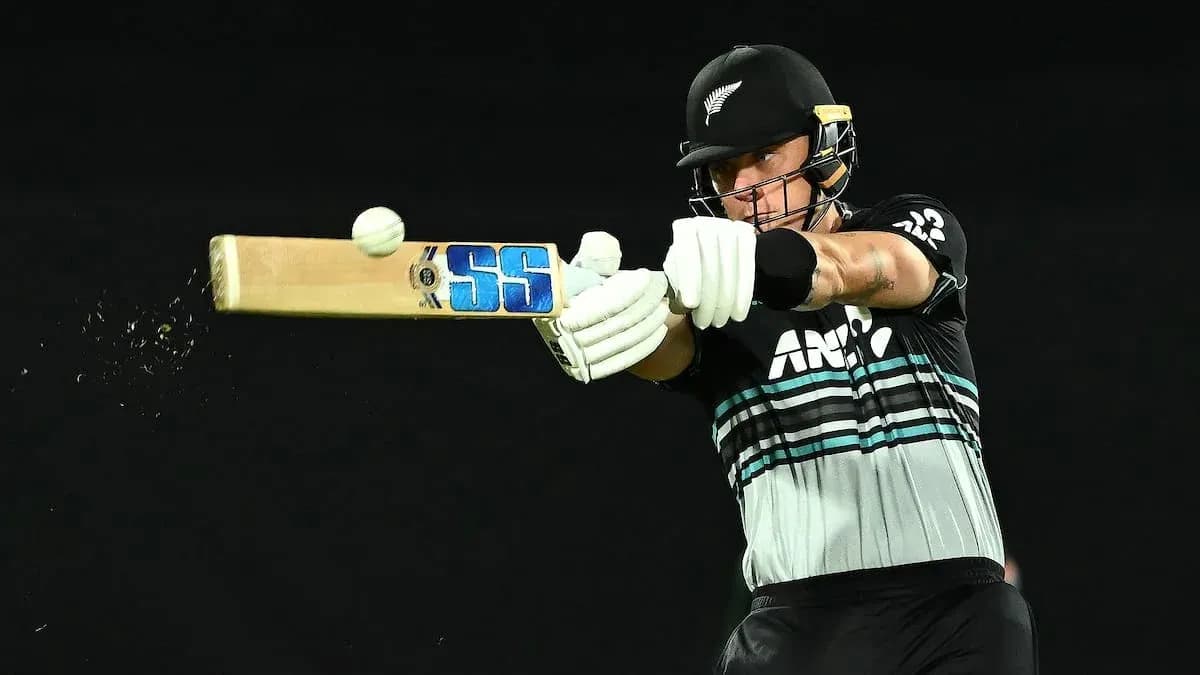
Cricketer Smit Receives Four-Year Ban for Anti-Doping Violations
A young cricketer’s career has been halted in brutal fashion after a sports tribunal handed Smit a four-year ban for anti-doping rule violations involving the anabolic steroid Dianabol.
The Sport Integrity Commission found Smit guilty of possessing the banned substance and attempting to use it, delivering its verdict after he repeatedly failed to file a notice of defence despite being granted several extensions.
A schoolboy decision that came back years later
Smit told investigators he had ordered Dianabol from China in 2022 while still at school, saying he wanted to get bigger in the gym and insisting the purchase was unrelated to cricket performance.
That explanation sat at the heart of his case. He portrayed it as a youthful, off-field mistake, not a calculated attempt to gain an edge in competition.
But the timing of the delivery proved decisive.
The parcel was intercepted on December 31, 2025, arriving after what Smit described as a long and unexpected delay. He appeared to argue that by the time it finally turned up, he no longer wanted the steroid.
The Commission, though, saw a different picture.
Tribunal tears apart Smit’s account
Officials asked Smit to back up his story with hard evidence: messages with the supplier, transaction records, anything that could show the order’s original date and intent.
He said he had nothing. According to his account, he paid in bitcoin and no longer had access to the relevant account or records.
The tribunal was unconvinced.
Without documentation and with no sign he had tried to cancel the order, the panel ruled that the 2025 delivery effectively amounted to a new purchase. That point proved crucial, because it meant Smit fell under anti-doping rules at the time the order was deemed to have been made.
From there, the findings followed swiftly. The tribunal said it was satisfied that Smit possessed the steroid and planned to use it, confirming both alleged anti-doping violations.
The sanction was severe but clear: a four-year ban from cricket, backdated to May 26, 2026, the day he was provisionally suspended. He is barred from competitive sport until May 26, 2030.
A stark warning for athletes
For Sport Integrity Commission Te Kahu Raunui chief executive Rebecca Rolls, the case is a sharp reminder of the risks athletes take when they look online for shortcuts.
She stressed that anti-doping rules “apply to and protect athletes at all levels,” not just professionals at the top of the game.
“Buying banned substances online may seem low risk,” Rolls said. “The reality is that the consequences can be deeply harmful, affecting an athlete’s health, wellbeing, relationships, and their future in the sport they love.”
Smit’s future now sits on pause until 2030. The message to every young player watching is anything but delayed.