Rashid Latif Critiques PCB After Pakistan's Defeat at Lord's
Rashid Latif has never been one to pull his punches. After Pakistan’s latest collapse at Lord’s, he didn’t even bother with the gloves.
A 194-run defeat to England in the second Test, a 2-0 deficit in a three-match series, and a batting unit that has not once reached 200 on this tour: the numbers are brutal enough. The verdict from sections of the British press has been equally unforgiving, branding this outfit the “worst Pakistan side in the last 50 years”.
Latif, speaking on Geo News, did not argue. He went further.
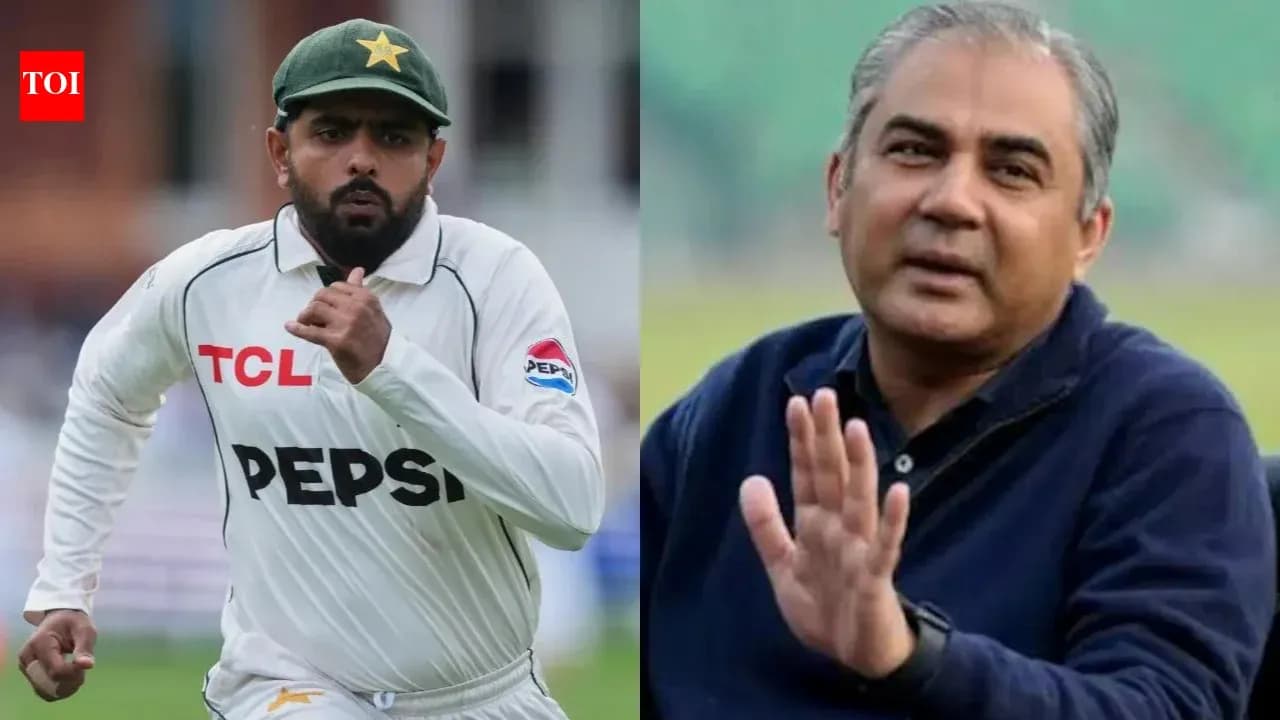
“Everyone is talking about the Pakistan team, and how it is the worst touring team in the last 50 years. But nobody is speaking about how the current board is the worst in the last 70 years. Nobody is talking about the worst selection committee and coaches,” the former wicketkeeper-batter said, turning the spotlight squarely on the Pakistan Cricket Board and its chairman Mohsin Naqvi.
“If you combine these issues, you will get the answer to your question. You will know who has ruined this team. Now you are losing consistently. This is the worst cricket board, that's a fact.”
On a tour where Pakistan have barely laid a glove on England, Latif’s anger reflects a wider frustration back home: that the rot runs far deeper than a few out-of-form batters.
Batting in freefall
The numbers tell a grim story. Across two Tests, Pakistan’s batting has simply not turned up. Not once have they crossed 200. Every innings has left their bowlers defending scraps, chasing miracles.
The return of Babar Azam at Lord’s was supposed to steady the ship. He had missed the opening Test, and his comeback carried the quiet hope that class and authority at No. 3 would at least give Pakistan something to build around.
Instead, the captain endured another bleak chapter in a difficult year: scores of 8 and 6, neither innings offering any sense of control. The second-innings dismissal cut deepest. Jofra Archer went short, hard and hostile, and Babar looked visibly unsettled by the barrage, his discomfort against the bouncer laid bare at the very ground where great Pakistan batters once imposed themselves.
This was not just a technical failure; it was symbolic. When your premier batter and captain looks unsure, the rest tend to follow. Pakistan’s top order folded, the middle order never truly resisted, and the tail only delayed the inevitable.
The result: England, already 1-0 up, walked to an “unassailable” 2-0 series lead with a day to spare. Pakistan, meanwhile, walked off with more questions than runs.
Storm beyond the boundary
As if the on-field capitulation was not enough, Lord’s simmered with an off-field row that dragged the PCB into another uncomfortable spotlight.
Sky Sports aired an 18-minute interview with Sulaiman and Kasim Khan, sons of former Pakistan captain and ex-prime minister Imran Khan. They spoke about their father’s situation and treatment while he remains in prison, a highly charged subject given Imran’s enduring status in Pakistan cricket and politics.
Reports then surfaced claiming the PCB had threatened to pull Pakistan out of the Test if the interview went to air. It was an explosive allegation, one that suggested the board was prepared to use the national team as leverage in a political and media dispute.
On the ground, though, there was denial. Babar Azam and head coach Sarfaraz Ahmed both said they were unaware of any such plan. The match went ahead as scheduled. Pakistan took the field. The broadcast ran. The controversy, at least in terms of the fixture, fizzled out.
England simply got on with the job and completed a comprehensive victory. Pakistan, once again, could not match them in any department.
Edgbaston and an uneasy future
Now the series moves to Birmingham. Edgbaston awaits on September 9, the third and final Test offering Pakistan one last chance to salvage something more than bruised pride.
Latif’s words, though, will linger. This is not just about a misfiring top order or a captain out of touch. His attack lands higher up the chain: at the PCB, at the selection table, at the coaching staff he accuses of presiding over a steep decline.
When a former captain calls the current board “the worst in the last 70 years”, it cuts through the usual post-match platitudes. It points to a deeper crisis of direction, planning and accountability.
Pakistan will still turn up at Edgbaston. The question is whether anyone above them in the boardroom is ready to face the kind of scrutiny Latif is demanding.