Peter Handscomb's Unbeaten Century Keeps Test Hopes Alive
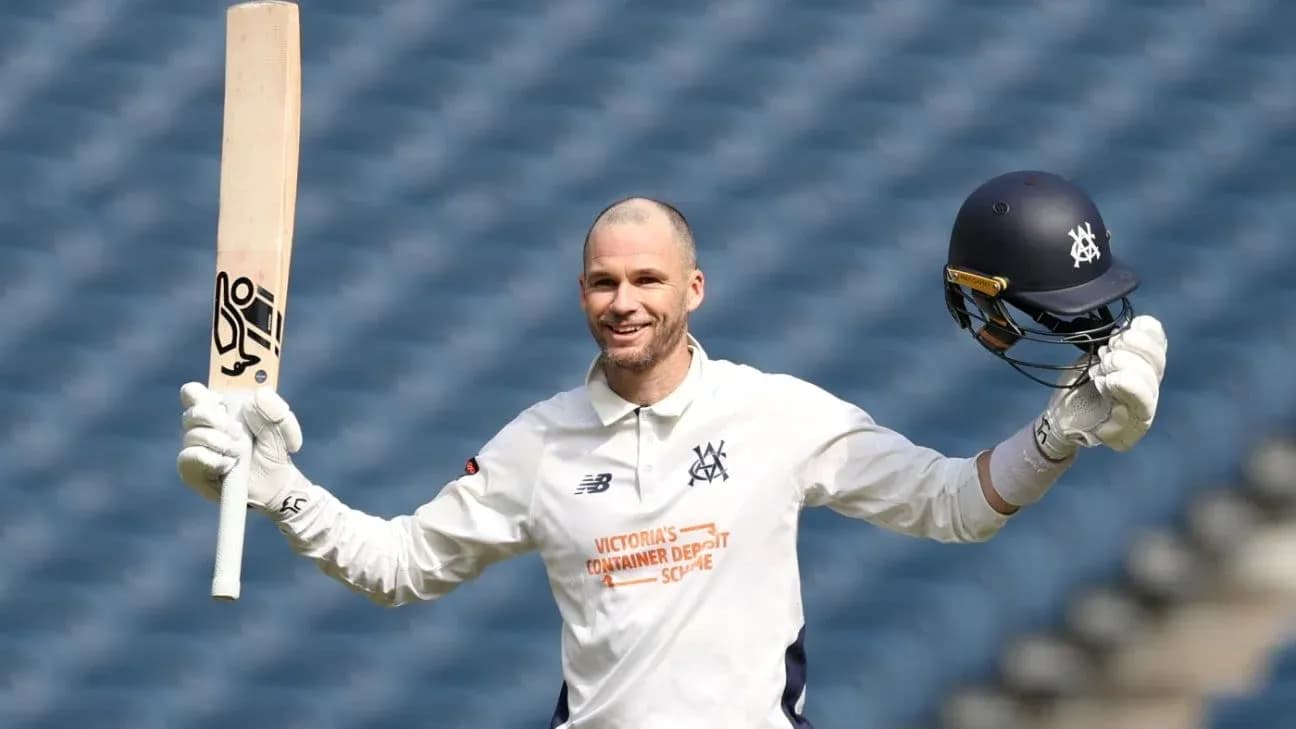
Peter Handscomb walked off the MCG with an unbeaten hundred, and something more valuable than that: his Test hopes very much alive.
On a day when the pitch offered generosity rather than jeopardy, the Victoria captain cashed in with 131 not out, his first century of the summer, to drive his side to 292 for 3 against Western Australia and remind national selectors exactly why his name keeps resurfacing whenever India is mentioned.
A flat deck, a pointed message
This was not the MCG of last summer’s two-day Ashes embarrassment. Curator Matt Page, under the microscope after that fiasco and armed now with ball-tracking cameras to monitor bounce, seam and spin ahead of the 2026 Boxing Day Test and the 150th Anniversary Test, rolled out a straw-coloured surface stripped of almost all live grass. Seven millimetres remained. It played as it looked: true, consistent, and largely benign.
There was some movement with the new ball, enough to keep the slips interested and expose any early looseness. Marcus Harris found that out the hard way. He nicked four times in 20 balls for 15; two edges died short, one was spilled at first slip, the fourth finally stuck with wicketkeeper Joel Curtis. Before that, Sam Harper had gone to a brilliant, diving grab from Albert Esterhuysen at wide fine leg off Kieran Elliott. At 44 for 2 after choosing to bat, Victoria were steady rather than secure.
Handscomb walked in to a familiar scenario: his team needing a captain’s innings, his own season in need of a statement.
Back to basics, back in the frame
He had spoken of feeling good at the crease but having nothing to show for it – a frustrating Australia A tour of India in September, then a string of starts without substance in the opening Shield rounds. Here, the rhythm returned.
“I felt good, and it's such a shame when you feel good and you don't make runs,” he said after play. “Sometimes you're just out of luck, you're not out of form.” So he stripped things back, “a couple of basics,” a clearer head, and let the bat do the arguing.
An early straight drive, punched back past the bowler, announced his touch. From there, he rarely looked troubled.
Alongside him, Ashley Chandrasinghe, a late inclusion after Campbell Kellaway was ruled out with back spasms on the eve of the match, dug in. The outfield crawled, turning well-timed strokes into singles and twos, but the pair absorbed the grind before lunch. Handscomb, in particular, looked a level above, picking length early and refusing to chase width.
Short-ball ploy, slow-bowling masterclass
After the interval, Western Australia tried to rattle him. Liam Haskett and Elliott went short, aiming at the ribs and helmet. Handscomb barely flinched. He rode the bounce, rolled his wrists, and when Elliott overpitched in the midst of the barrage, Handscomb hammered him through midwicket, a blunt answer to the tactic.
Once the seamers tired, the game moved into his favourite territory. Spin.
Corey Rocchiccioli, wearing Australia A colours recently, and former Test left-armer Ashton Agar probed away, but Handscomb turned the session into a slow-bowling tutorial. He advanced down the pitch to Rocchiccioli, once lofting with the spin, once against it, both shots measured rather than reckless. When they dragged their length back, he rocked onto the back foot, threading the off side. He swept, too, but with control – more scalpel than slog.
This is why his name keeps circling the conversation for India. On a day when the pitch did little, he still showed the full range of methods that work when it does.
Chandrasinghe had to graft harder for his 53, but his role in the 112-run stand was significant. He left well, nudged into gaps, and slowly built an innings that looked set to stretch deep into the evening. Then, a rush of blood. Keen to lift the tempo, he aimed a slog sweep at Rocchiccioli against the turn, miscued, and picked out mid-on. From control to regret in a single stroke.
Macdonald’s déjà vu
Blake Macdonald, back in the side and back in his comfort zone against WA at the MCG, picked up where Chandrasinghe left off. A year ago, he had peeled off 79 and 109 not out against the same opposition on this ground. The visitors could sense history repeating itself.
He mirrored Handscomb’s method against spin: positive footwork, soft hands, smart placement. The scoreboard ticked, the bowlers searched. Macdonald’s half-century came with minimal fuss, and only one real scare – Agar found a touch more turn, drew a thick edge, and Curtis could only brush the ball with the ends of his gloves as it escaped.
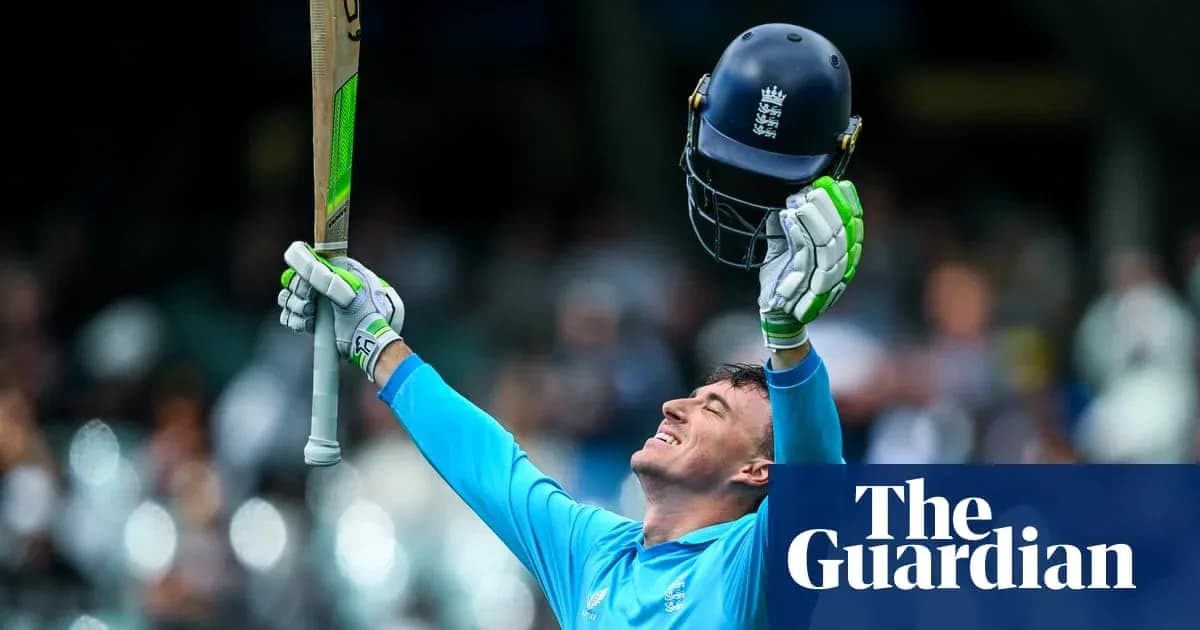
By then, Handscomb was into three figures, raising his bat in a quiet, almost businesslike acknowledgment. This was not a celebration of a man discovering form, but of one reclaiming it.
The pair stitched together a second century stand of the day, Victoria tightening their grip on a surface offering little to bowlers who missed their mark.
Late life, late questions
Western Australia finally found some encouragement with the second new ball. Under the afternoon light, the seam bit again. Macdonald edged one over the slips; Handscomb was beaten several times by Elliott, including one delivery that jagged back sharply, whistling past the inside edge and over off stump. It was a reminder that this pitch, flat as it was, still had something to say when the ball was hard.
But the wickets did not come. Victoria closed at 292 for 3, Handscomb unmoved on 131, Macdonald alongside him on 74, and WA facing the prospect of a long, draining second day.
For Handscomb, the numbers tell their own story. Runs on the board. Time in the middle. A commanding hand on a day built for batting, yes, but also a performance that played directly into the selectors’ biggest looming question.
When Australia head to India in January, and the conversation turns again to who can actually handle high-quality spin for hours, can they really ignore a player who keeps producing this kind of answer?