Patil's Warning: Abhishek Sharma and Sooryavanshi Must Adapt Abroad
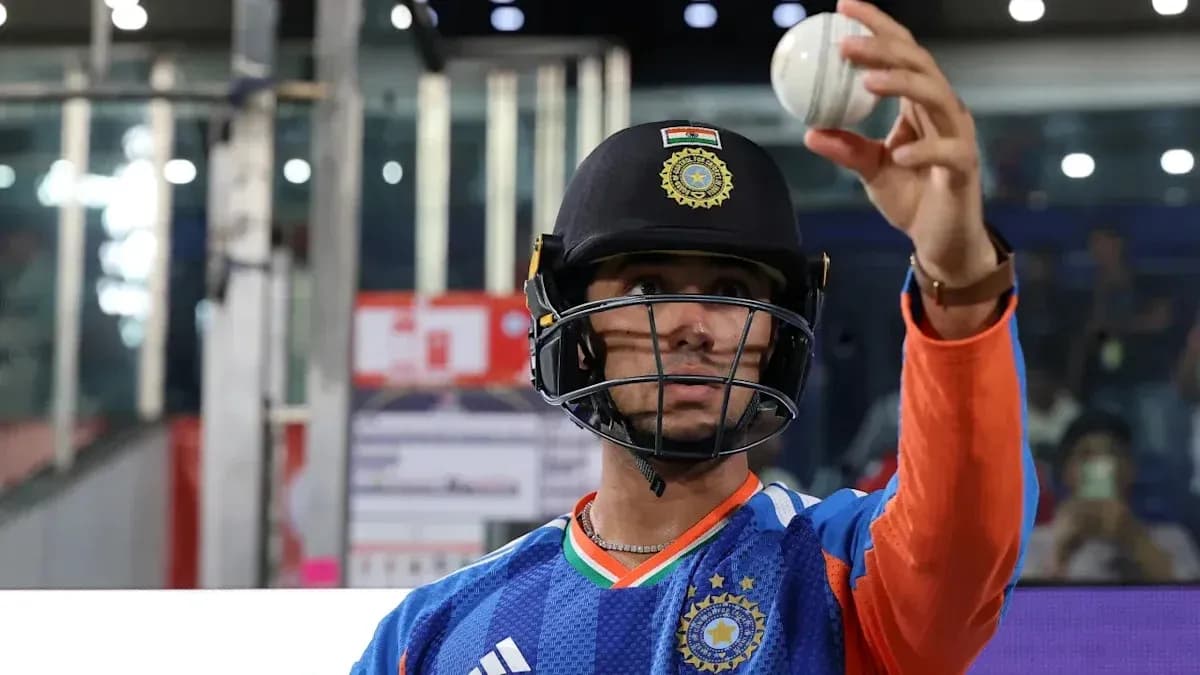
India’s young batting core has spent the week basking in the glow of a 3-0 sweep over Afghanistan. One of them, Abhishek Sharma, has just rattled off a 30-ball T20I hundred and walked away with the Player of the Series award.
And yet, as the fireworks fade, Sandeep Patil has chosen this exact moment to drag the conversation somewhere far less comfortable. Overseas.
Celebration in Delhi, questions abroad
Patil, a 1983 World Cup winner and former chief selector, has seen enough to know when numbers flatter and when they expose. Speaking to SportsNext, he zeroed in on a trend he believes India can’t afford to ignore, no matter how loud the applause at home.
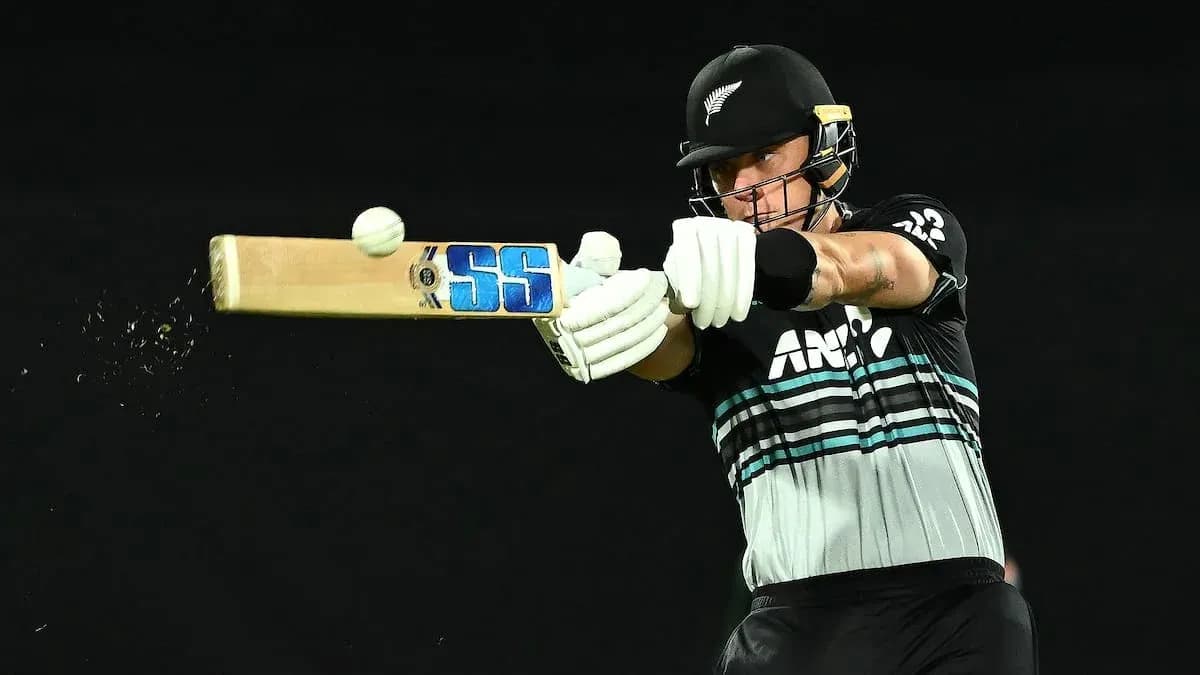
The names he picked were direct: Abhishek Sharma and Vaibhav Sooryavanshi. The charge was simple. They look world-beaters in Indian conditions, but once the ball moves and the air is different, their games fray.
The stats back him.
Before that blistering hundred against Afghanistan in Delhi, Abhishek had crawled through a lean stretch across tours of Ireland, England, and Zimbabwe: 191 runs in 10 innings, averaging just 19.1, with only one half-century. For a top-order dasher built on power and intent, that’s not a blip. That’s a pattern.
Sooryavanshi’s story in this series has been even more stark. He did not face a ball. While Sanju Samson and Abhishek locked down the top order and feasted on Afghanistan’s attack at home, Sooryavanshi watched from the dugout, his recent struggles against the moving ball still fresh in the minds of the team management.
‘Lion at home, cat overseas’
Patil chose his words carefully, but not softly.
"With due respect to Abhishek Sharma and Vaibhav Sooryavanshi, we have noticed that when they travelled outside India and the ball started moving around a little, they faced some difficulties. These two young players will also have to pay attention to that aspect and work on it," he said.
Then came the line that will follow both batters for a while.
"Just because you are a lion at home in India, you shouldn't become a cat when you go overseas."
It was not a throwaway jibe. Patil made it clear he was not remotely surprised by Abhishek’s century against Afghanistan. He has always seen the natural aggression, the ability to attack from ball one, in both Abhishek and Sooryavanshi. That, he stressed, was never the question.
The real examination, in his eyes, begins when the ball seams and swings, when surfaces are unfamiliar, and when hitting through the line is no longer the default option. A flat deck in Delhi against Afghanistan, he implied, is not the trial by fire that will answer those questions.
Gambhir’s backing, Patil’s reality check
Head coach Gautam Gambhir has already gone on record asking Sooryavanshi to be patient as the management works out his role. That public show of faith underlines how highly the think-tank rates him. But it also underlines why Patil’s warning lands with weight rather than malice.
Abhishek’s numbers across Ireland, England, and Zimbabwe are not being plucked from thin air to rain on his parade. They reflect a clear dip when conditions shift away from subcontinental comfort. For a player being groomed as an aggressive top-order option, learning to survive – and then dominate – in those environments is non-negotiable.
Sooryavanshi’s case is even more instructive. Fast-tracked through the system, he has not yet had the volume of international cricket that allows a batter to build method against genuine seam movement. Franchise cricket, with its truer pitches and shorter tournaments, rarely exposes those technical gaps with the same intensity.
Patil’s point, stripped of metaphor, is blunt: India cannot afford specialists who roar only at home. The next phase for both Abhishek and Sooryavanshi is no longer about proving they can thrill crowds in Delhi or Mumbai. It’s about whether they can walk out in Dublin, Leeds, or Harare, see the ball jag around, and still look like they belong.