Pat Cummins Faces Sandpapergate Fallout as Khawaja's Memoir Sparks Controversy
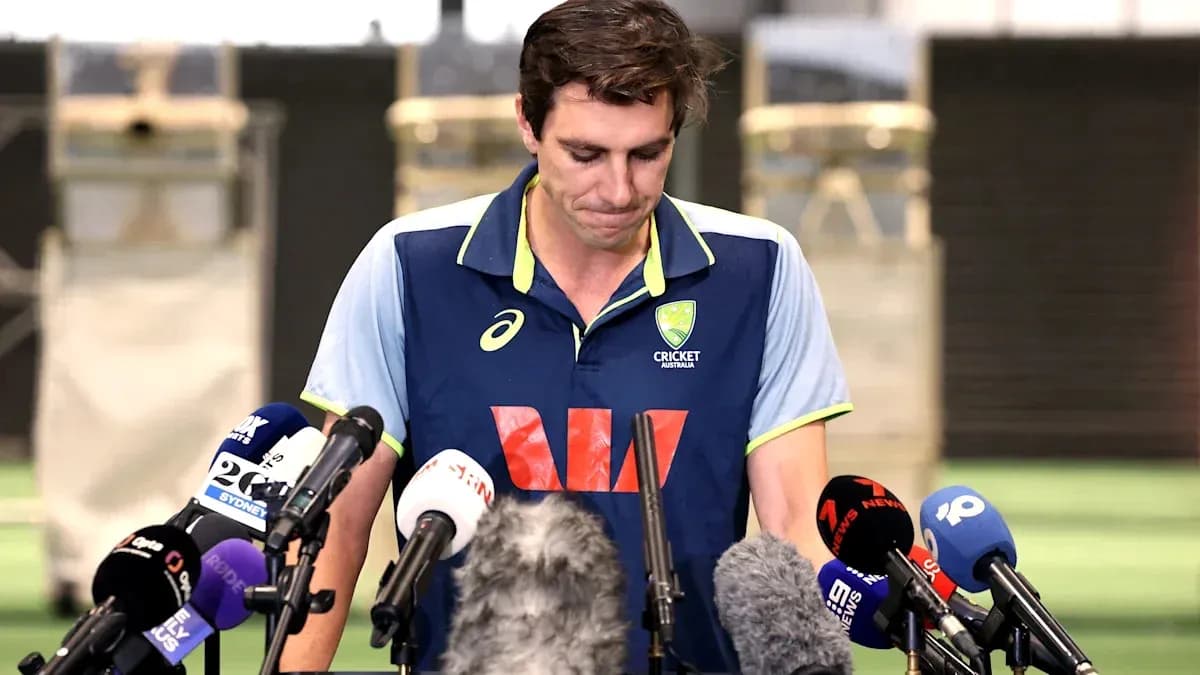
Inside the indoor nets at Cricket Central, Pat Cummins stood in front of a forest of TV cameras and refused to sit down, figuratively or literally.
Outside, New South Wales and South Australia were trading blows in a Sheffield Shield match. Inside, the Australian captain was trading them with a room full of reporters, determined to drag a scandal from six years ago out of his present and, if he has his way, out of his future.
“I don’t want to talk about this again after today,” he said. “Even if it takes all day... I’ll stay here until we have no more questions.”
It very nearly did take all day.
Eight years on, old wounds reopen
Sandpapergate was supposed to be a scar, not an open wound. A shameful chapter filed away under “lessons learned” in Australian cricket’s history.
Usman Khawaja’s new memoir has ripped that file back open.
The book revisits Cape Town 2018, when cameras caught Cameron Bancroft with sandpaper on the ball during the third Test against South Africa. Bancroft, then-captain Steve Smith and David Warner admitted involvement and copped heavy bans. At the time, the line from Cricket Australia and senior players was clear: this was the work of a small group, not a team-wide conspiracy.
Khawaja now says something very different. In his book, he claims the entire Australian team knew about the plan and recalls urging his teammates to take collective responsibility once Bancroft was exposed.
“I said: ‘Take this as a team. We did this as a team. We knew what was going on, and we have to take it as a team’.”
Those words have detonated like a delayed blast. They have dragged Cummins – a star bowler in that side and now the national captain – back into the eye of a storm he has spent years trying to outrun.
Cummins pushes back
The press conference in Sydney quickly became a test of endurance. One reporter suggested it was the longest in Australian sporting history. Cummins stayed put, cautious but unflinching, pausing often, choosing his words with care, and batting away any suggestion he had prior knowledge of the sandpaper plot.
He described Khawaja’s claims as “vague” and made it clear he felt let down by a man he calls a friend.
“Friends aren't casual with each other's lives and reputations... That's something I've been grappling with the last couple of days,” he admitted.
He did not call for an investigation. He did not rule one out either. When pressed on whether Cricket Australia should reopen the case, he pushed the decision squarely back onto the governing body: that, he said, was their call.
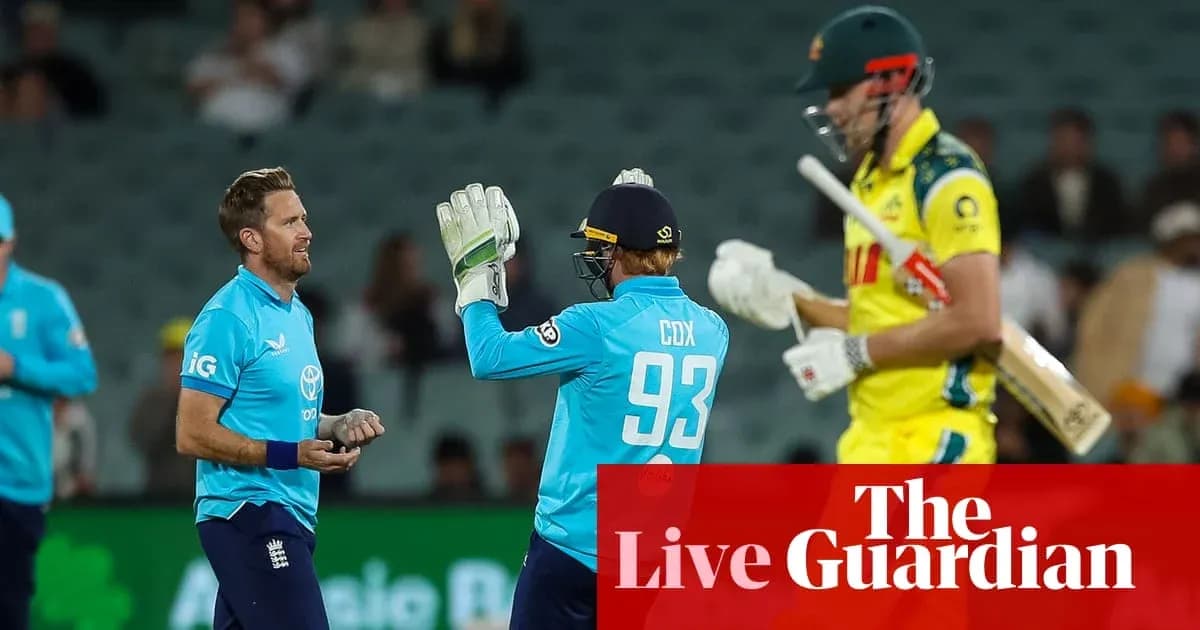
For Cummins, the frustration runs deeper than one book and one press conference. As the questions kept coming, he gestured towards the live cricket being played outside and pointed to Friday’s one-day international against England in Perth, a match he and other senior players will miss as they rest.
“It’s been eight years... Hopefully today we put a line through it and we’re done and we can all move on to much more fun topics, like actual cricket.”
The room heard the hope. Few shared the optimism.
A nation that sees itself as “good sports”
Part of the reason Sandpapergate refuses to die is that it cuts across how Australians like to see themselves.
Prof David Rowe of the University of Western Sydney describes the saga as a direct hit to the national sporting psyche. Australia, he says, prides itself on being “a nation of good sports”.
“The idea of being a good sport is two things. One is being good at sport, so you actually win. But the other side is that you do it honourably and fairly,” he said.
“Many Australians would see themselves as above all that. That is: cheating is what other teams get up to... not the nation of good sports.”
Cape Town shattered that self-image. Rowe calls it a “nasty shock” that brought “collective shame” – a shame that clearly has not fully faded.
He doubts the game can genuinely move on without a fresh response from Cricket Australia. Shutting the door, he argues, only invites more suspicion.
“One of the best ways to fuel conspiracy theories and keep sandpapergate going is to essentially say ‘there's no more to see here’ – especially when that comes from the authorities,” he said.
So far, chief executive Todd Greenberg has resisted calls to reopen the investigation. The official line is that the case is closed.
The public mood suggests otherwise.
Fans caught between fatigue and fury
Around the boundary at the Shield match, the reaction was a mix of boredom, irritation and resignation.
Josh, 28, summed up what many feel: “It’s just a bit crazy that it’s all blown up again... I think it is a bit ridiculous, after eight years.”
Another spectator put it more bluntly: “I’m a bit bored of it.”
There is anger, too, at Khawaja’s timing. He retired from international cricket in January. His book has landed just as a new summer begins and as the men’s team tries to shake off a flat tour of South Africa – their first Tests there since the scandal.
Among some supporters, there’s a sense he has thrown a grenade into the dressing room and walked away.
At the same time, plenty of fans feel Australia has been made a global example for something they insist was far from unique.
“It’s a bit of a stitch up,” said 21-year-old James. “Every country has done it... if it wasn’t us, it was probably going to be someone else.”
That belief – that ball tampering was widespread, that Australia simply got caught in the most spectacular fashion – feeds the lingering resentment. Why, they ask, is this still the story when other teams’ sins barely rate a mention?
Dressing room rifts and deafening silences
Khawaja’s memoir has not just unsettled fans. It has cut into the old Cape Town group itself.
David Warner, the man hit hardest by the original punishments, has backed Khawaja’s account, saying his former teammate “wrote the truth”. He also accused Cummins of throwing him “under the bus” by publicly rejecting the claims.
Steve Smith, the captain at the time, has stayed silent so far, travelling overseas as the storm gathers. Bancroft, who first suggested years ago that the bowlers knew more than they let on, is also keeping his counsel for now.
Around them, the commentary has been relentless. Former coaches, ex-players, and some of the game’s elder statesmen have all weighed in, some defending their reputations, others pointing fingers, many simply refusing to let the matter rest.
Cricket Australia sits in the middle of this noise, under pressure to act but publicly determined not to.
No clean exit
By the time the questions finally dried up in Sydney, Cummins looked like a man who had spent an entire spell bowling into a stiff breeze. He had fronted up. He had said his piece. He had tried, once again, to draw a line under an episode he did not orchestrate but cannot escape.
He also knows that line will not hold if others keep crossing it.
As James, the 21-year-old fan, put it: “It’s going to be hard to move on, given that there’s two sides of the story and it doesn’t look like either side is going to back down.”
Australian cricket now finds itself in that familiar, uncomfortable space between what has been admitted, what has been alleged, and what may never be fully known.
The matches will go on. The runs and wickets will pile up. The summer will unfold.
But until someone, somewhere, provides a version of Cape Town that everyone can live with, the question will hang over every new achievement: has this team really moved on, or is it still playing under the shadow of a piece of sandpaper from eight years ago?