Pat Cummins Faces Sandpaper Scandal After Khawaja's Book
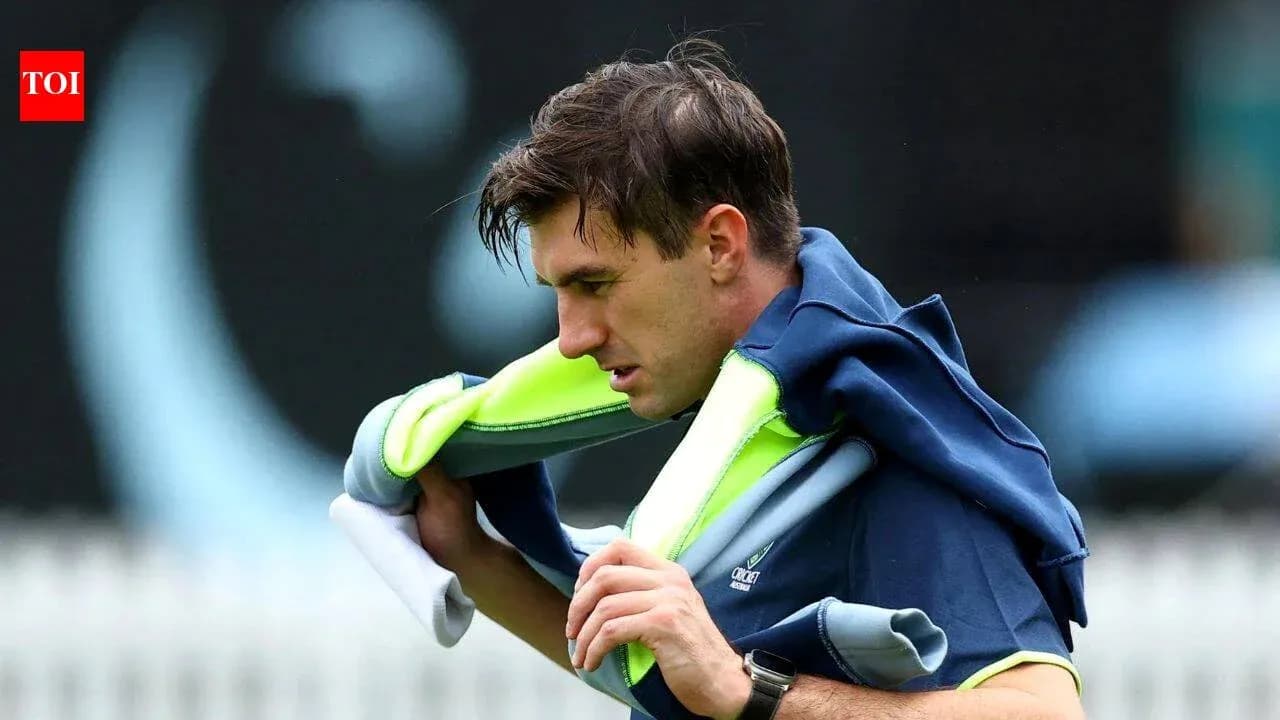
Pat Cummins’ first public sighting since the Sandpaper scandal roared back into the headlines did not come at a press conference or a training session. It came on a Sydney street.
The Australian captain was filmed in what looked like a tense, animated exchange with his wife, Becky, before the pair walked into a nearby property, footage published by The Australian showed on Wednesday. Cummins, dressed down in a T‑shirt and shorts, largely kept his voice low and his body language restrained while Becky did most of the talking.
On any other week, it would have been a forgettable slice of domestic life. This week, with “Sandpaper‑gate” dragged back into the centre of Australian cricket by Usman Khawaja’s new book and fresh claims about who knew what in 2018, every movement of the national captain carries extra weight.
Cummins is currently sitting out Australia’s two white‑ball series against England as he readies himself for four looming Test matches against New Zealand. The break was supposed to be about rest and red‑ball preparation. Instead, the past has barged back in.
Khawaja’s book reignites old wounds
The fuse was lit by Khawaja’s autobiography, Sabr, released on Tuesday. In it, the former batter revisits the infamous 2018 tour of South Africa, where Cameron Bancroft was caught using sandpaper on the ball in Cape Town, triggering bans for then‑captain Steve Smith, vice‑captain David Warner and Bancroft himself.
Khawaja has claimed that the entire Australian dressing room knew about the plan to tamper with the ball. Warner has publicly backed that version of events, adding another layer of scrutiny to a scandal Cricket Australia has long insisted was fully investigated and dealt with.
That is where Cummins has drawn his line.
Asked previously about the possibility that Khawaja’s account might clash with the official findings, the fast bowler was blunt and clearly weary of the topic.
“It’s obviously a long time ago. All the investigations, everything was done back then. Answered every question a million times,” he said. “It was dealt with then, all I can say is as a group we’ve moved on. Very happy with the last eight or nine years, how we’ve been as a group and evolved. He didn’t go into too much detail . . . As always it was ‘no worries, you can tell your story, that’s fine’.”
For Cummins, the story of Australian cricket since 2018 has been about cultural reset, calmer leadership and a team determined to be known for more than one disgraceful afternoon in Cape Town. Khawaja’s claims drag that carefully rebuilt image back under the microscope.
Khawaja pulls back from the spotlight
If the book was meant to be a measured reflection, the reaction has been anything but gentle.
Khawaja fronted ABC’s 7.30 and quickly found himself pressed on the most sensitive point of all: the bowlers. Specifically, whether he was upset that none of them had admitted knowing about the plan to rough up the ball with sandpaper.
His answer was carefully constructed, but it did little to quiet the storm.
“I’ll say again, I’ve given my statement about what happened the game before,” Khawaja said. “I was very open and honest to what I saw and what conversations I had. Sometimes I’m very specific on things, and sometimes I’m a bit vague on things, and I do it on purpose because I’m trying to tell a story.”
When the questioning went deeper on whether the bowlers were involved, Khawaja shut the door.
“I’m just not going … I’m not going to entertain that,” he said. “I’m not going to really speak on any more of it at this moment.”
Soon after, he cancelled his remaining media appearances for the book. The narrative, for now, will have to stand on the printed page rather than be shaped in studios.
Old scandal, new pressure
Six years on, the key facts of Sandpaper‑gate have not changed. What has shifted is the willingness of former players to talk about the edges of the story – the dressing‑room conversations, the shared knowledge, the silences.
Cummins, who was in the team in South Africa but not part of the leadership group at the time, now carries the responsibility of protecting both his current side and the fragile trust rebuilt with the public. Every fresh allegation or insinuation lands at his feet, whether he likes it or not.
That is the backdrop to those Sydney street images: a captain on leave, a scandal he did not create but cannot escape, and a book from a respected former teammate that refuses to let the past stay buried.
The Tests against New Zealand will come quickly. So will the questions. How many more times can this group say they have “moved on” before they are forced to relive, in full, the moment that still defines Australian cricket in the eyes of so many?