Pat Cummins' Press Conference: Owning the Storm
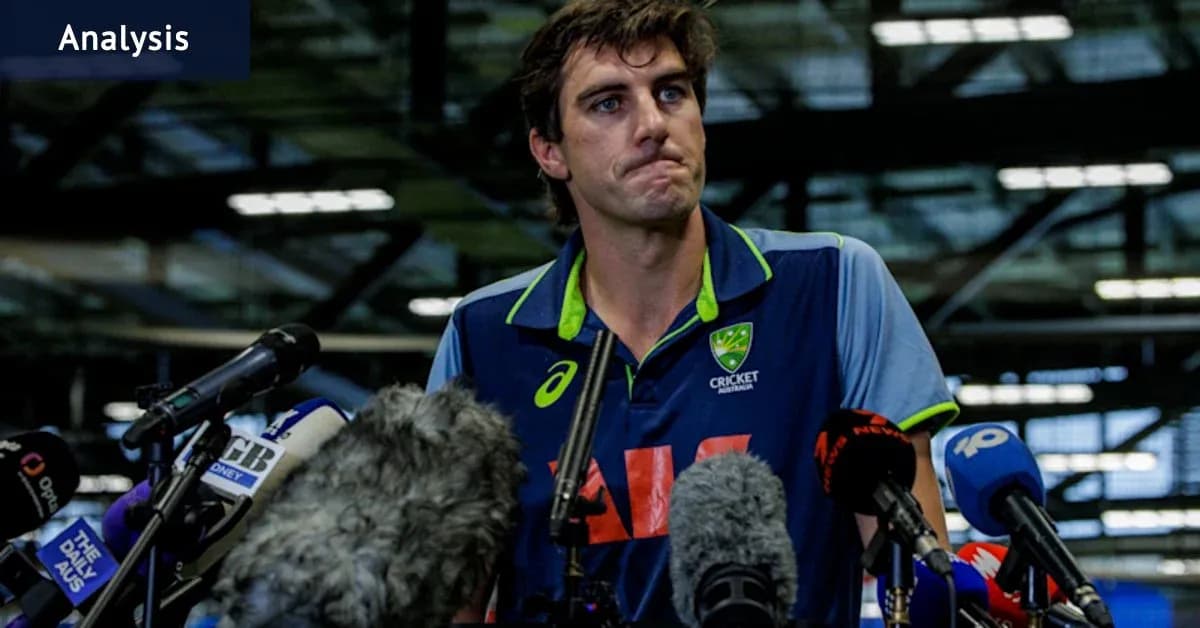
Pat Cummins slipped through a back entrance at Cricket NSW headquarters on Friday morning, away from the television trucks and long lenses waiting out the front. Australian cricket was in another bout of soul-searching, his integrity under direct attack, and the ghosts of Cape Town had been dragged back into the light.
Sixty-nine minutes later, he walked out having delivered one of the most gripping press conferences Australian sport has seen.
No tears. No carefully stage-managed escape routes. Just the Test captain, a stack of typed notes, and a willingness to stand there until every question had been bowled and played.
It was box office.
A press conference that will be remembered
The build-up felt more like a major Test than a media call. Cummins announced it himself on social media, not through the usual Cricket Australia channels. That alone signalled this would be on his terms.
By 9.30am, close to a hundred people were jammed into the indoor nets: reporters, photographers, camera operators, officials. Breakfast TV had been outside since dawn. Inside, there was a low hum – part curiosity, part hostility.
Cummins appeared in a Cricket Australia polo, as instructed, having already workshopped his words with his wife Becky and manager Neil Maxwell. Then he started.
No media manager hovering. No “last question” interjections. Just a captain staring down the room.
When it finally ended, Cummins wandered out to bowl with Mitchell Starc and Josh Hazlewood, then drifted into the public café for a sandwich and selfies with fans. The theatre of the morning only underlined the point: he wasn’t hiding.
Leadership under lights
This was Cummins at full command.
He had been under pressure to respond to Usman Khawaja’s claims in his book, Sabr, since they first surfaced. Instead of rushing out a reactive statement, he took almost a week, went back over the details, rang former teammates, and worked out exactly what he wanted to say – and what he wouldn’t pretend to remember.
When he knew, he said so. When he didn’t, he admitted it. On the central point – that he had no knowledge of a sandpaper plot in South Africa – he was absolute.
He spoke clearly, calmly, and with just enough edge. He answered everything. He invited more. At one stage, a journalist from SBS quietly collected their microphone and left; the session had gone that long. Someone half-joked about a drinks break at the hour mark. Cummins stayed padded up.
This was not just damage control. It was a captain taking full ownership of a crisis and absorbing it. Whether you believe every element of his account or not, this is the kind of presence that explains why he leads Australia.
And the longer it went, the more the mood shifted. A room that started bristling with scepticism slowly leaned in.
Beneath the calm, real anger
For all the poise, Cummins’ irritation was never far from the surface.
He was blunt about how deeply the accusations cut, not just for him but for his family. He revealed Becky had been furious with Khawaja. The saga had literally reached their front gate: The Australian captured footage of the couple in an intense conversation outside their home after arriving there by chance, though the paper did not buy the images.
Cummins still found room to lighten the air. Mid-press conference, with a Sheffield Shield match between NSW and South Australia unfolding behind the assembled media, he glanced over an lbw appeal and called “not out”, drawing laughs. He joked about suggestions he and Becky had been arguing, quipping that he must have put the wrong bin out.
The levity didn’t dull the sting when he spoke about Khawaja. He called him a friend, then acknowledged that friendship is now in question. The disappointment in his voice said more than any scripted line could.
A brutal admission about 2018
If there was one moment that cut through the noise, it was Cummins’ candid assessment of the 2018 team environment.
We already knew that era of Australian cricket had gone too far – the snarling, the “line” that kept shifting, the win-at-all-costs mentality that eventually cost them plenty. Cummins, injured for long stretches before 2018, wasn’t there for every step, but he didn’t sugarcoat what he saw.
“I think we had a win-at-all-costs mentality, had an ugly underbelly, and there were too many silos within the team,” he said. “They were traits that I hope that everyone’s seen and I tried very hard to eradicate for the last six years as captain.”
That is as stark an admission as any senior Australian player has made about that dressing room. It also draws a straight line from Sandpapergate to the cultural reset Cummins has tried to lead.
You don’t need to agree with his entire version of events to see the conviction in that project.
Sandpaper, superglue and the “dark arts”
One of the more compelling threads came when Cummins separated myth from method in the ball-tampering debate.
He reminded everyone of a basic point often lost this week: working on a ball is not automatically cheating. Teams are allowed – even expected – to maintain the ball within the laws. Not every player rubbing at the leather is Cameron Bancroft in Cape Town.
Cummins said Australia had used sandpaper in training to rough up balls and practise against reverse swing. Legal in the nets. Not legal in a Test.
Then he lifted the lid a little on the “dark arts” that swirl through dressing-room chatter.
“I’d heard zippers,” he said. “I’d heard superglue on wicketkeepers’ gloves. I’d heard layers and layers of nail polish. I bite my fingers, so I’d be terrible. Obviously, Murray Mints is one, too. I’d heard … from a long time ago that sandpaper was actually taped in between fingers.
“These are all discussions that I’m sure every suburban change-room has. It’s one thing to talk about it but then it’s another thing to go ahead and do it.”
The point was sharp: talk is everywhere. Crossing the line is something else entirely.
Cricket as the forgotten act
While all this raged, some superb cricket barely flickered on the national radar.
Out in the middle at the SCG, NSW teenager Sam Konstas was compiling a brilliant 173 in the Shield, less than a month out from the first Test of the summer. On most days, that would dominate headlines. On this one, it was background noise.
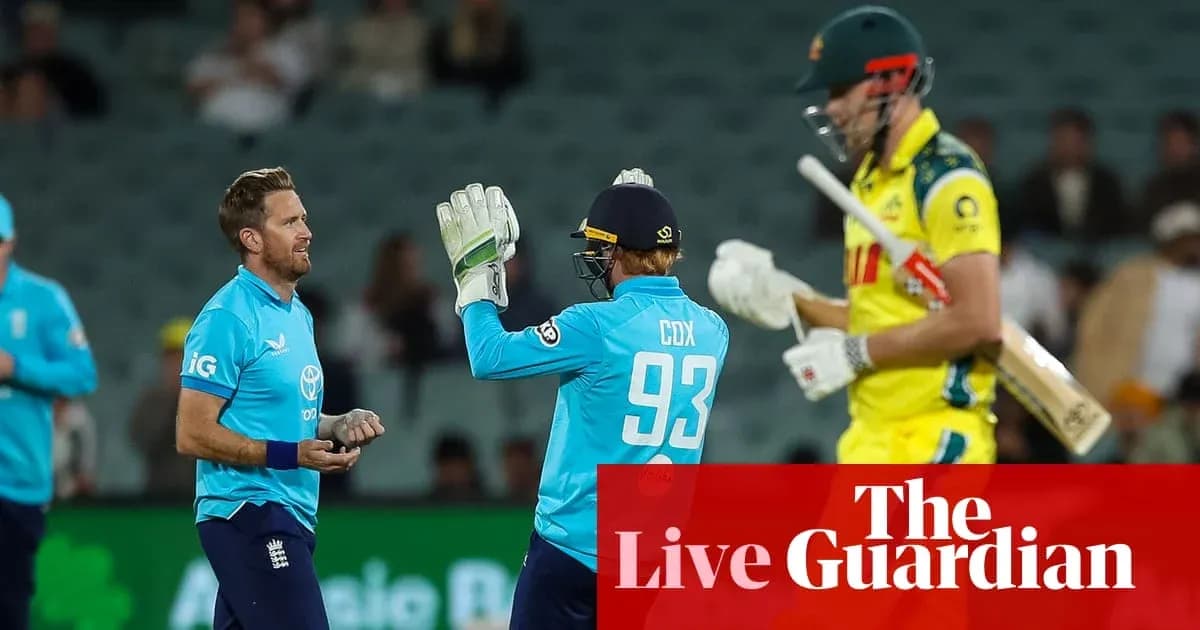
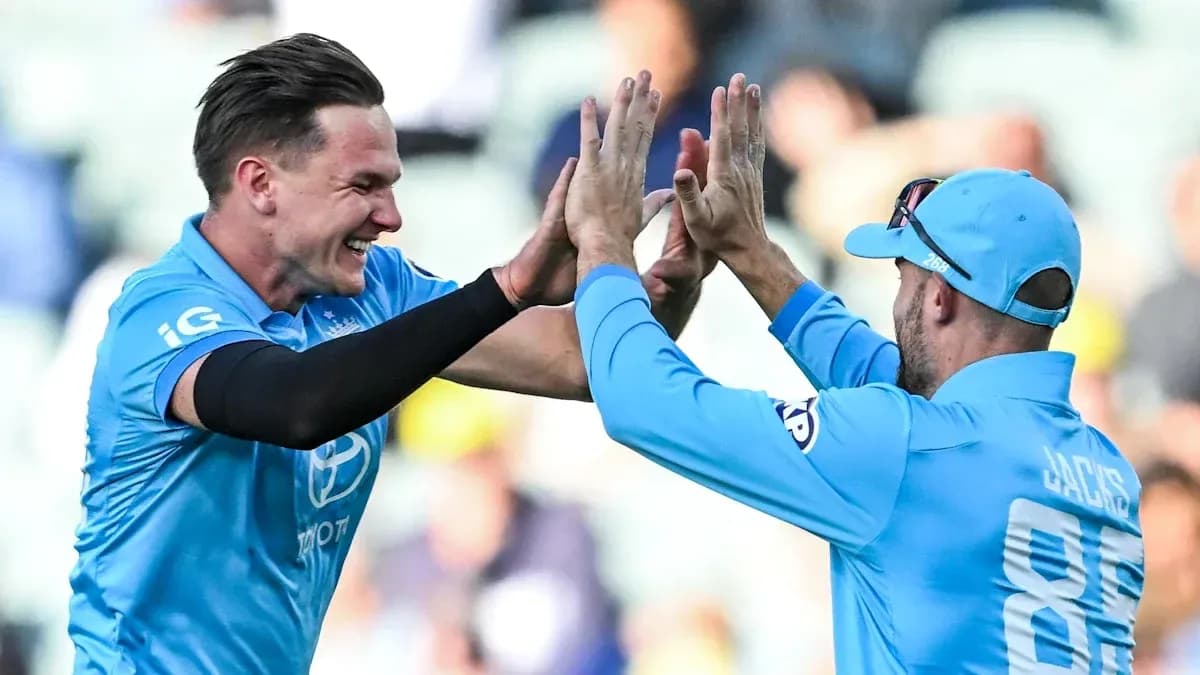
Mahli Beardman, the young quick who took six wickets on ODI debut against England, also found his breakout overshadowed by a scandal from eight years ago.
Khawaja has argued his words no longer affect the team now that he’s retired. Maybe not inside the dressing room, but the shockwaves across the wider game are obvious. Cummins hinted at that frustration.
He fielded just one question about actual cricket all morning. It was about Beardman.
Even Konstas couldn’t escape the circus. Cricket NSW, wary of the Khawaja fallout, pulled him from media duties after he reached his hundred on Thursday. When he finally fronted on Friday, he could only smile at the frenzy.
“It was a bit hectic,” he said. “Obviously there was a lot of media today with Pat. We’ve got a massive job to do [in this game].”
And the car park?
“I thought they were all coming for me,” he laughed. “They were all here for Pat.”
Two stories, one scandal, no end in sight
Strip away the performance, and one hard truth remains: there are still two competing versions of what players knew in South Africa, and they are not converging.
Cummins says Khawaja is wrong. Khawaja and David Warner dispute the account offered by Cummins and the bowlers. Somewhere between those positions sits a dressing room full of players who remember different fragments of the same tour.
Cummins pointed out that international changing rooms are sprawling, noisy places. Conversations happen in corners, in cliques, in passing. Not everyone hears everything.
He also noted that Khawaja never came to him in 2018 to ask for his version of events. That detail hung in the air.
Several key figures from that tour – Steve Smith, Cameron Bancroft, Nathan Lyon, Josh Hazlewood, Tim Paine, and then-assistant coach Brad Haddin – have yet to address Khawaja’s latest claims in depth. Warner, meanwhile, continues to challenge the established narrative whenever a microphone is put in front of him, including on Fox Cricket.
As long as he does, Sandpapergate will never quite leave the stage.
Khawaja himself has taken some bruises this week. His tense interview on the ABC’s 7.30, where Sarah Ferguson pressed him on the specifics in his book, made for uncomfortable viewing. He is slated to appear on The Grade Cricketer podcast, but after Cummins’ intervention, that booking suddenly looks less certain.
Out in the public square, opinion is split. A live poll on this masthead, with more than 18,000 responses at the time of writing, showed 46 per cent of readers believe “everyone” knew about the sandpaper in South Africa. Another 44 per cent don’t think every player was aware. Ten per cent are still undecided.
The scandal that was supposed to be buried keeps finding new air.
On Friday, Cummins won a major battle in the court of public opinion and reminded Australia why he wears the armband. The real question now is whether the game – and those still carrying their own versions of 2018 – are ready to let this story go, or whether Cape Town will keep shadowing every new chapter of his captaincy.