Pakistan's Young Batting Group Faces Challenges in England
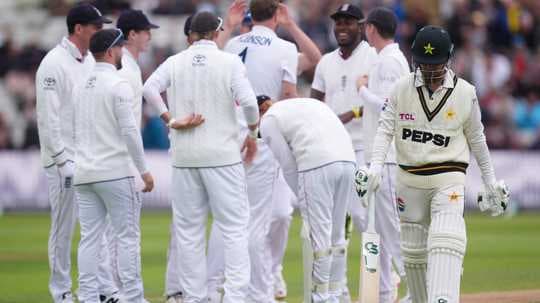
At Edgbaston, the numbers are brutal. Five completed innings on this tour, not once past 200. In the final Test, Pakistan are 52 for 2, still 268 runs short of making England bat again.
The cricket has been hard enough. The backdrop has been even harsher.
Seven players and head coach Sarfaraz Ahmed have already been sent home by the PCB after the Lord’s defeat, with an inquiry opened into the conduct of some squad members. It has turned a difficult tour into a full-blown examination of Pakistan’s Test set-up.
In the middle of it all, batting coach Michael Smith walked into the press room at Edgbaston and chose not to bite on the off-field drama.
“I know nothing about that [the inquiry] so I can't really comment on anything like that,” he said after the second day’s play. “It's the first time I've heard of those things so I'm not too sure.”
He kept his focus on the pitch, on a batting group that has been repeatedly exposed by a relentless England attack in home conditions.
A young top order on a steep learning curve
Out of Pakistan’s top seven in this Test, only Babar Azam and Shan Masood have previously toured England. The rest are learning on the job, in conditions that punish every technical flaw and mental lapse.
Smith was clear: this is a transition, and it shows.
“We've shown some real good signs but just not for long enough and I think that's probably the biggest lesson,” he said. “We need some of our guys to be playing for hours at times and in certain game plans.”
There have been flashes. Saud Shakeel has produced glimpses of the calm, adhesive batting Pakistan crave. Azan Awais has hinted at the right method. Shan Masood has had his moments. But the pattern has been the same: promise in short bursts, then a collapse.
“We need that for hours and not just for half a session or so,” Smith stressed.
This is the unforgiving reality of Test cricket in England. Players with little experience are being asked to learn in real time, against a high-class attack, with the series already slipping away.
“Some of the players, it's their first tour of England and they haven't got a lot of Test experience so they are learning some challenging lessons along the way,” Smith said. “They have to learn on the Test circuit which is a challenging one. We’ve got to keep making sure that we're showing small really good signs at times but we need to now put a big play in to really get that confidence going again.”
A dressing room under strain, but still upbeat
Given the scorecards and the headlines, you might expect a fractured camp. Smith painted a different picture.
“It’s been tough, it’s been challenging but let’s not take away [the fact that] we've come up against a really good bowling unit in home conditions who've been excellent,” he said.
He pushed back on any rush to judge the new faces after one bruising tour.
“I suppose we might not see the sort of success we want to see now but hopefully if a lot of these players are back on our next UK tour we'll really see an upward trend and I think that's the time to really judge them – especially some of the younger players who get their first taste of the English type of conditions.
“It's tough cricket but the one thing our boys are really doing is embracing being on tour and actually enjoying themselves on tour as well as a group, as a whole.”
The message was consistent: the mood, he insisted, is “good”, even if the cricket has been anything but.
Smith’s “bloody exciting” challenge
Smith himself is new to this role, brought in as batting coach just before the series. With the top order crumbling and structural questions looming over Pakistan’s red-ball preparation, it would be easy to talk about sweeping change. He resisted that too, saying he needs more time before deciding what must shift at a deeper level.
What he didn’t hold back on was his enthusiasm for the raw material in front of him.
“I think I've got a bloody exciting challenge on my hands because there are some serious players,” he said. “Let’s not worry about what's happening here, we've got some really exciting players and [their] potential is exceptionally high. It's just how quickly can we get them to that level, especially playing outside of Pakistan. That's going to be a big challenge and something we're really excited about.”
That is the tightrope Pakistan now walk. The potential is undeniable; the evidence on this tour has been unforgiving.
The immediate task is stark and simple. To even force England to bat again in this Test, Pakistan must go well beyond a mark they have not yet reached on this trip: 200.
If this young batting group wants to change the narrative before they leave England, it has to start with that first, stubborn, grinding landmark.