Pakistan Women Claim Bronze at Asian Games with Fatima Sana's Leadership
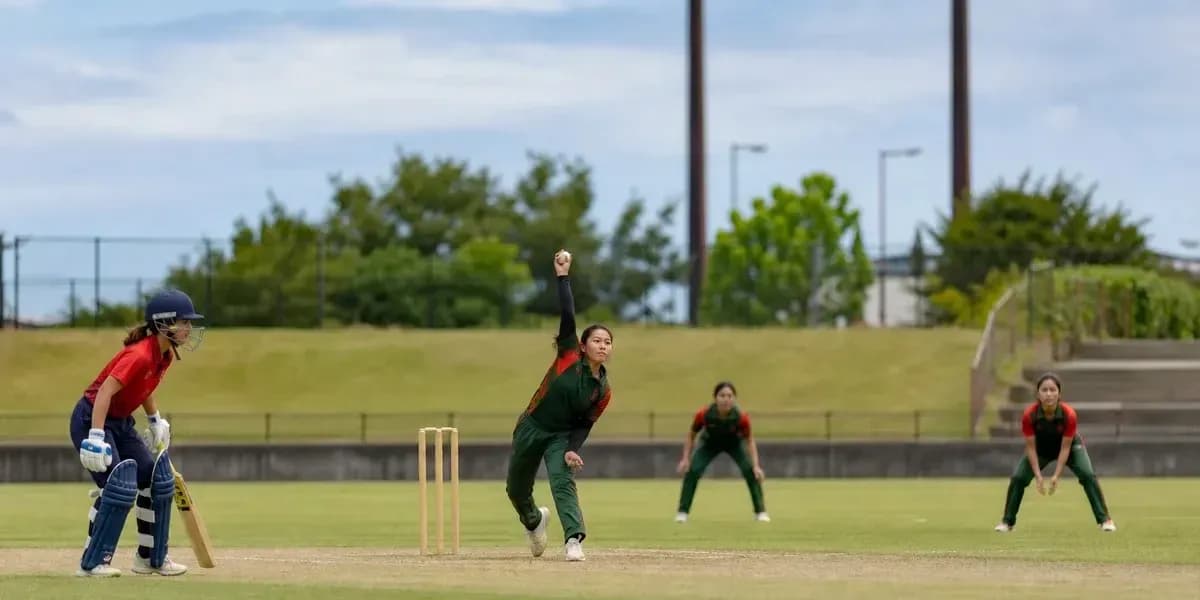
Pakistan’s women walked away from Nisshin with bronze medals and something more valuable: a statement that this team still knows how to deliver on a big day.
Beaten by Bangladesh in the bronze-medal match at the 2022 Asian Games in Hangzhou, Pakistan arrived in Japan with that scar still fresh. This time, they rewrote the script, beating the same opponents by 31 runs after posting 145 for eight and then strangling the chase to close it out at 114 for seven.
It was not a straightforward march to the podium. It rarely is with this side. That is part of their edge — and their appeal.
Fatima’s rescue act
At 67 for five, Pakistan stood on the brink of another regret. The innings had wobbled, the top order gone, momentum leaking away. Then the captain walked in and changed the mood.
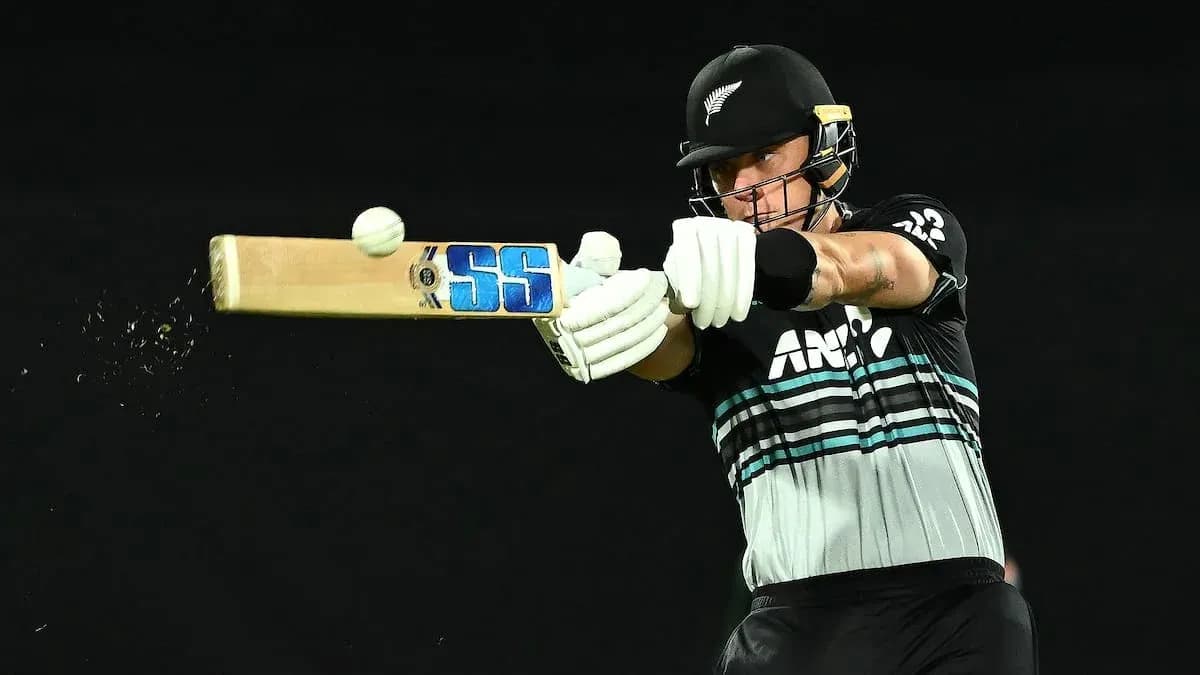
Fatima Sana batted like a leader who had decided bronze would not slip away again. She cracked 45 off just 30 balls, a counterattacking gem laced with three fours and three cleanly struck sixes. Every boundary felt like a message: Pakistan were not done.
At the other end, Aliya Riaz gave her exactly what she needed — time and support. Riaz’s 25 from 22 balls did not dominate the scoreboard, but it steadied the innings and allowed Fatima to dictate terms. Together, they stitched 67 runs from 43 balls, flipping the pressure back onto Bangladesh and dragging Pakistan to a competitive 145.
From 67 for five to 145 for eight. That partnership did not just rescue an innings; it saved a campaign.
Early strikes, relentless squeeze
With runs on the board, Pakistan came out with the ball as if the game were still in the balance. They bowled like a side that knew the first five overs could decide everything.
Umm-e-Hani and Tasmia Rubab ripped into Bangladesh’s top order, reducing them to 20 for three inside the first five overs. The chase never really recovered from those blows.
Umm-e-Hani was outstanding. Her figures — three for 10 in four overs, including a wicket maiden — marked her best performance in Twenty20 internationals. She found rhythm, discipline and just enough movement to keep batters guessing, and she never let the game drift.
The early breakthroughs meant Bangladesh needed rebuilding, not just scoring. That played perfectly into Pakistan’s hands.
Bangladesh resist, but Pakistan close the door
Sharmin Akhter tried to drag Bangladesh back into the contest. She anchored the innings with an unbeaten 46 off 45 balls, refusing to give her wicket away. Captain Nigar Sultana joined her and added 25, and together they put on 47 for the fourth wicket.
For a brief stretch, the chase looked alive. Singles turned into twos, the scoreboard ticked, and the tension crept in. Pakistan had seen this movie before.
The difference this time lay in how they responded.
The bowlers kept their nerve, tightened the angles, and choked off the boundaries. The required rate climbed, the pressure returned to Bangladesh, and the chances came. Fatima Sana, already the batting hero, chipped in with the ball as well, removing Ritu Moni and pushing her tally to 31 T20I wickets in 2026.
Bangladesh never found the acceleration they needed. They finished on 114 for seven, well short, outplayed when it mattered most.
A third medal, and a reminder
This bronze is Pakistan’s third women’s cricket medal at the Asian Games, adding to the golds from 2010 and 2014. It is not the top step of the podium, but it is a significant marker for a team that has been trying to reassert itself in the region.
Their route to the medal carried its own twists: a three-wicket win over Thailand in the quarterfinals, followed by an eight-wicket defeat to Sri Lanka in the semifinals. India then underlined their regional dominance by thrashing Sri Lanka in the final, piling up 216 for three and winning by a massive 147 runs as Sri Lanka folded for 69.
In that landscape, Pakistan’s bronze matters. It says they are still in the conversation, still capable of turning pressure into performance, still able to respond to old wounds with something stronger than nostalgia.
They came to Nisshin with memories of a bronze lost to Bangladesh. They leave with medals around their necks and a fresh question hanging over Asian women’s cricket: if Pakistan can bottle this fight, who underestimates them next?