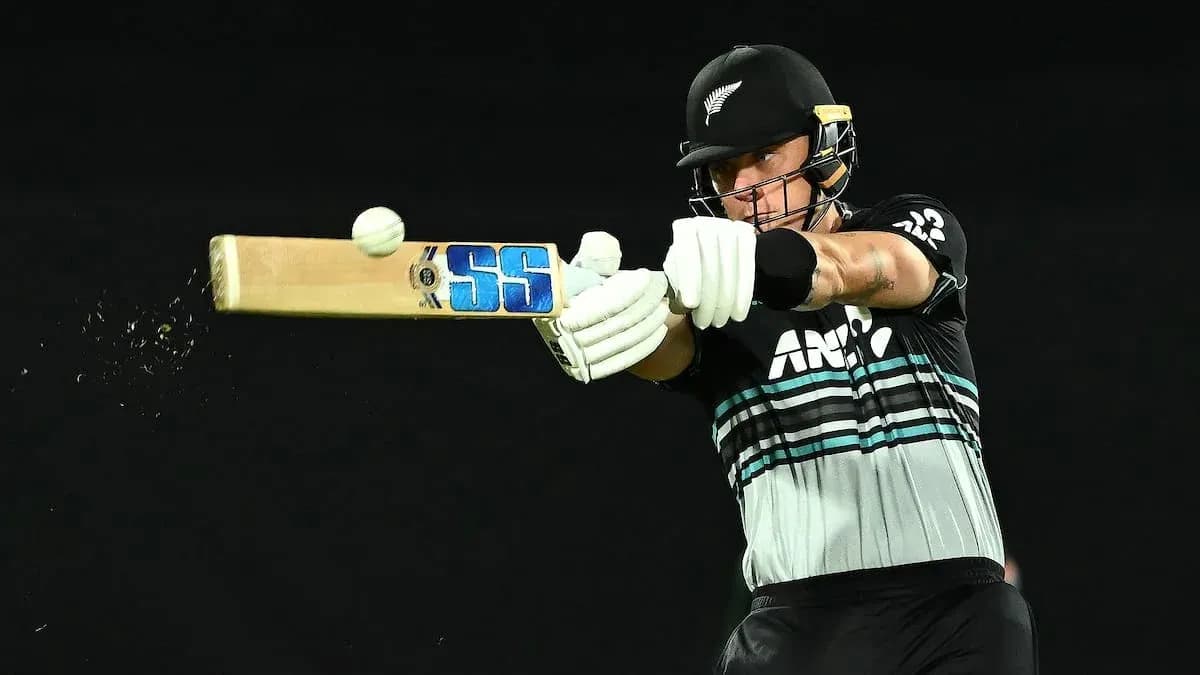
Pakistan Under-19 Cricket Team Mistaken for Asylum Seekers in Portsmouth
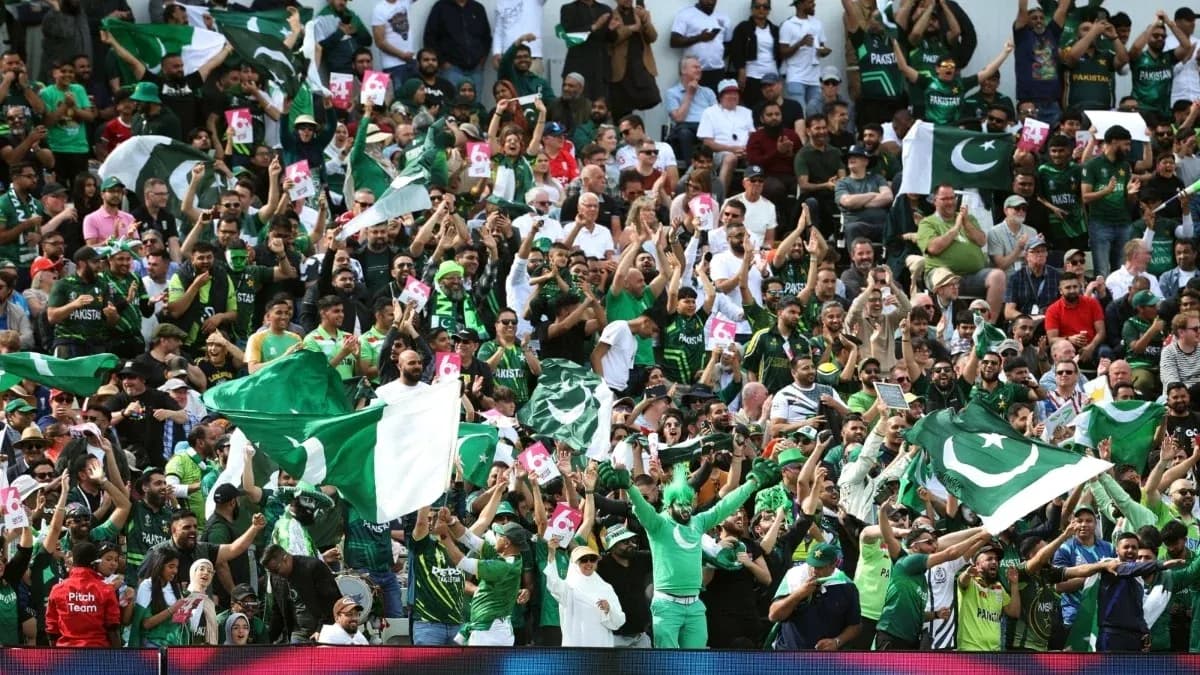
The Pakistan Under-19 cricket team arrived in Portsmouth expecting a quiet night at the Marriott Hotel and another step on a formative tour of England. Instead, they walked into the middle of a protest that had nothing to do with them.
On Tuesday evening, around 30 to 40 people gathered outside the hotel after rumours online claimed that a coach carrying asylum seekers had just pulled up. The image that fuelled it all was simple enough: a group of young men, clearly not local, stepping off a bus with bags in hand.
Within hours, that single snapshot had turned into a flashpoint.
Police were called shortly before 6.30pm. Officers arrived to find protesters convinced they were confronting a new intake of migrants. They were not. They were confronting teenagers on a cricket tour.
Rumour, Then Reality
The confusion started, as so many modern storms do, with a photograph and a guess. A picture of people leaving a coach appeared online. Assumptions followed. Confirmation did not.
Reform councillor George Madgwick decided to check rather than speculate. He contacted the hotel, spoke directly with the Pakistan camp, and quickly discovered the truth: this was Pakistan’s Under-19 side, in the country to play cricket, not claim asylum.
"I spoke to the coach of the team, who was very understanding," Madgwick told the Guardian. He then walked out to face the protesters.
"I went out to the protesters and told them, 'You've got it wrong guys, it's a cricket club.' They left within a couple of minutes. It was a massively unfortunate incident."
The whole thing, Madgwick later explained, had been built on nothing more than online chatter and a willingness to believe the worst.
"Someone online saw a group of what looked like foreign nationals leaving the coach and put a photo of it online and that's where it spurred from," he told the BBC. "It was mere speculation rather than based on truth or fact."
Hampshire Constabulary confirmed officers spoke to those gathered and made it clear their concerns were misplaced. No offences were identified, and the crowd drifted away shortly before 9pm.
Young Tourists, Unwanted Spotlight
For the players, some still in their mid-teens, it was an introduction not to English seam movement or swinging conditions, but to the sharp edge of Britain’s immigration debate.
What should have been another anonymous stop on a youth tour suddenly became a national talking point. The squad found itself at the centre of a row that had nothing to do with their sport, their performances, or their purpose in the country.
Portsmouth North MP Amanda Martin condemned the incident and the misinformation that triggered it.
"There is a legitimate debate to be had about immigration, but it must be based on facts not misinformation or rumour," she said, a pointed rebuke on a night when rumour had led the way.
The England and Wales Cricket Board moved quickly to check on the wellbeing of the Pakistan Under-19 players and staff. The ECB is now reviewing security arrangements for the remainder of the tour, conscious that these are young athletes far from home, suddenly thrust into a political storm.
Cricket Amid the Noise
While the noise swirled off the field, the cricket itself has been intense. Pakistan’s Under-19s lost a gripping four-day match against England Under-19 by just 10 runs at Arundel, a narrow defeat that underlined the competitive edge of this tour.
They hit back hard in the white-ball leg. On September 9, Pakistan crushed England Under-19 by 177 runs in a Youth ODI, a statement win that showed exactly why this group is so highly regarded back home.
As the senior Pakistan side locks horns with England at Test level, the Under-19s are supposed to be learning, growing, and measuring themselves against their peers. Instead, for one evening in Portsmouth, they became unwilling symbols in someone else’s argument.
The protestors left. The police stood down. The hotel returned to its usual quiet hum. For the young cricketers, the tour goes on — but so does the question of how a single photograph turned a junior cricket team into a target.