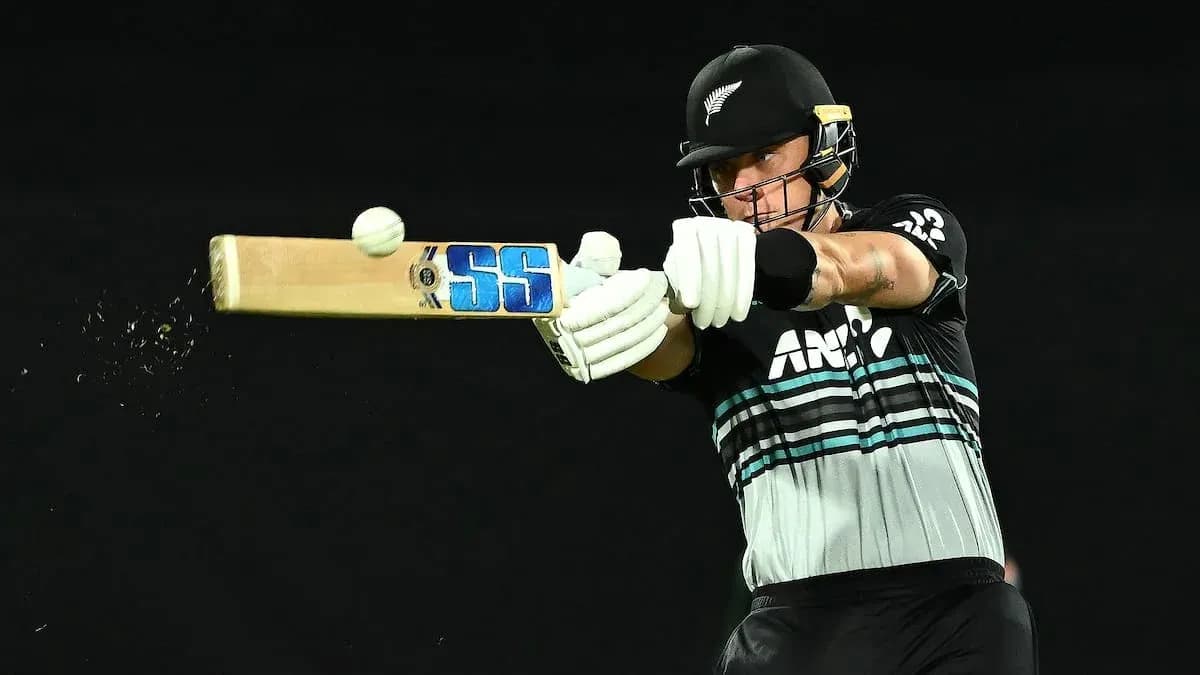
Pakistan's Audacious Fightback at Edgbaston
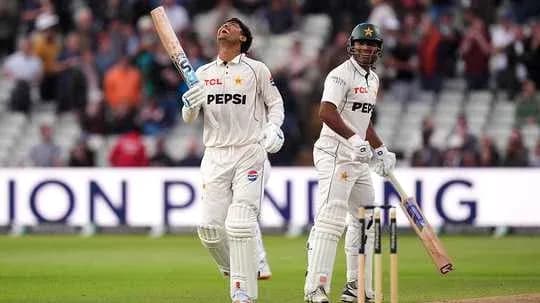
For two days, this series had followed a familiar script. Pakistan, tentative and error-prone, England dictating terms. Then came Friday at Edgbaston, and a very different Pakistan walked out.
By stumps on the third day, they had piled up 449 – their highest total of the series – and turned a position of vulnerability into a lead of 129. England will begin the fourth day needing 130, but that simple number barely hints at the chaos and character that produced it.
A cautious morning, a telling platform
Azan Awais and Shan Masood resumed with work still to do and Jofra Archer already snorting in. Archer and Gus Atkinson hammered away with short balls, searching for early blood. Pakistan’s overnight pair refused to blink.
They left well, ducked when they had to, and picked off anything loose. Josh Tongue, less precise than his new-ball partners, fed the scoreboard. There was some movement, just enough to keep the slips interested, not enough to truly disturb two batters intent on making this their day.
Either side of the first drinks break, both Awais and Masood brought up measured half-centuries. The partnership, already into the fifties overnight, began to look like something more substantial – the kind of base Pakistan had been crying out for all tour.
Then, abruptly, it cracked.
Lawrence changes the mood, Root pounces
Spin entered the game for the first time and with it came a moment that shifted the morning. Dan Lawrence drifted one down the leg side, Awais glanced, or seemed to. The keeper went up, the close catchers did not. The umpire said no.
Joe Root did not hesitate. One swift review later, the faintest of touches showed up, and Awais was gone. A promising, composed innings ended not with a booming drive or a misjudged hook, but with a feather down the leg side.
The dismissal could have dragged Pakistan back into their shell. Instead, Masood found the partner he needed.
Masood and Babar steady, then fall short of hundreds
Babar Azam walked in with a series of single-figure scores hanging over him. He batted as if determined to burn that record on the spot. Alongside Masood, Pakistan’s captain settled quickly, his timing returning, his judgment outside off stump suddenly crisp.
The pair stitched together an 89-run stand that altered the feel of the day. England’s seamers, so dominant earlier in the tour, found themselves held at arm’s length. Masood, already set, began to eye three figures. Babar, matching him stroke for stroke, looked every inch the player Pakistan build their batting around.
Just as the pitch and the situation seemed to bend to Pakistan’s will, England found a way back. Lawrence again. This time in the gully, diving low to his left to pluck a one-handed catch that ended Masood’s innings on 95. Five short of a century, five short of a landmark that his calm, commanding stay had deserved.
Babar kept going. For much of his time at the crease, he looked untroubled. Then England reached for the oldest weapon in their fast-bowling armoury: the short ball.
Archer and Tongue pounded away. The field shifted, the trap set. Babar rode out Archer’s barrage, but the plan held. Tongue pushed one down the leg side, Babar’s control finally slipped, and another Pakistan batter fell with three figures in sight rather than on the board.
Seven overs later, the same method claimed Saud Shakeel, gloving a short ball to short leg as he tried to fend it away. The door that Masood and Babar had prised open began to creak again.
Collapse threatened, then came the storm
Pakistan entered the final session trailing by just 23, five wickets in hand, and the game perfectly poised. England, sensing a crack, drove straight at it.
Shakeel, Ghazi Ghori, Mohammad Imran Randhawa – all gone before Pakistan could even wipe out the deficit. From a position of relative strength, they suddenly stood on the brink, only two wickets left and still behind.
That was the moment the mood changed completely.
Razaullah, on debut and just 21, chose not to survive. He chose to attack. What followed was mayhem.
He launched Atkinson for three sixes in a single over, the kind of clean, fearless hitting that instantly silenced the crowd and rattled the field. The lead flipped, then grew. England’s lines wavered. The field spread. The young right-hander kept swinging.
There was a brief lull as he recalibrated, then another surge. Archer, brought back to restore order, watched Razaullah stride down and muscle him over long-off to reach a half-century. It was not a carefully assembled fifty; it was a statement.
At the other end, Mohammad Abbaas played the role every rampaging hitter needs: calm, sensible, stubborn. He rotated the strike, left well, and picked off his own scoring chances, allowing Razaullah to keep the throttle down.
The partnership swelled past fifty, then a hundred. By the time it was done, the ninth-wicket pair had added 121 brutal, brilliant runs. Razaullah smashed nine sixes – the most ever by a debutant – on his way to an 81 that took just 63 balls. Abbas’ 42 was worth far more than the number suggests, a vital anchor in the storm.
From staring at a deficit, Pakistan suddenly sat on a 119-run advantage when Abbas finally nicked off to Tongue.
Razaullah, still hungry, added 10 more before Lawrence returned to the script, claiming his second wicket of the innings. A stumping ended the carnage and Pakistan’s innings, but not before the entire shape of the Test had changed.
England now need 130 at Edgbaston. On paper, it is a modest chase. After the bruising Pakistan handed out on day three, it feels anything but routine.