Pakistan’s Turbulent Tour Meets King Charles III
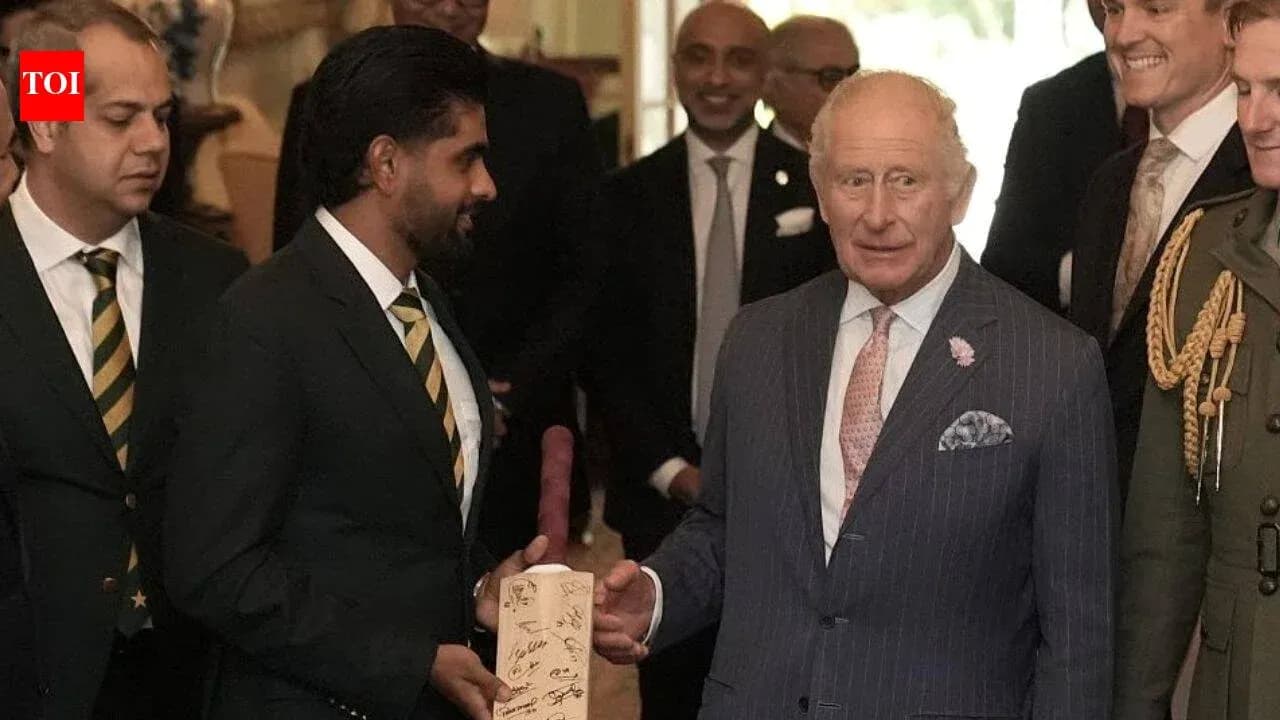
Pakistan’s chaotic tour of England found an unlikely backdrop this week: the elegant surroundings of Clarence House and an audience with King Charles III.
It should have been a simple ceremonial engagement. Instead, it became the latest flashpoint in a tour already weighed down by defeats, sackings and simmering discontent inside the dressing room.
Dropped, but Still on Parade
Seven players and several coaches had been axed from the touring party after back-to-back losses to England at Lord’s and Headingley. Their series hopes were fraying. So were tempers.
Yet those same discarded players were told to report for royal duty.
According to The Telegraph, the Pakistan Cricket Board, wary of an embarrassingly thin turnout after the cull, instructed the dropped men to attend the engagement with King Charles III. One player refused outright, staying away in protest.
Others went, despite clear reluctance.
Ali Usman, Aamir Jamal, Khurram Shahzad and Muhammad Awais Zafar were among those who made the trip to Clarence House. Behind the polite smiles and formal attire, the mood was anything but serene. Many within the camp would have preferred to keep their distance from the spotlight while the team wrestled with internal turmoil and poor form.
King Charles met the players and officials, offering words of encouragement at a time when Pakistan cricket looked fragile and exposed. Captain Babar Azam stepped forward to present the King with a signed bat, a traditional gesture on an untraditional day. PCB chairman Mohsin Naqvi followed with a gift of his own and later described the meeting as positive, noting that the King praised Pakistan’s contribution to peace.
The optics were polished. The backdrop to it all was not.
Crisis on the Field, Upheaval Off It
The royal visit did not arrive in isolation. It came in the middle of a full-blown reset.
Pakistan’s tour had already lurched into controversy at Lord’s when the team threatened not to return after lunch if a television interview with the sons of former captain and prime minister Imran Khan went to air. The interview was broadcast. Pakistan, after a tense stand-off, did come back out. They still lost the match.
That defeat triggered sweeping changes.
Seven players and members of the coaching staff were removed from the group. Head coach Sarfaraz Ahmed was sacked, the latest high-profile figure to pay the price for a side that could not match England on the field and could not escape turbulence off it.
Into the void stepped New Zealander Mike Hesson, brought in to lead the team for the remainder of the series and steady a ship that has listed from one storm to another.
So Pakistan found themselves in a curious position: a squad in flux, a coaching overhaul underway, and dropped players lining up in front of King Charles III as ambassadors of a team they no longer officially represented.
The question now is whether that royal encouragement can do anything to calm a tour that has become a test not just of Pakistan’s cricket, but of the board’s authority and the players’ resolve.