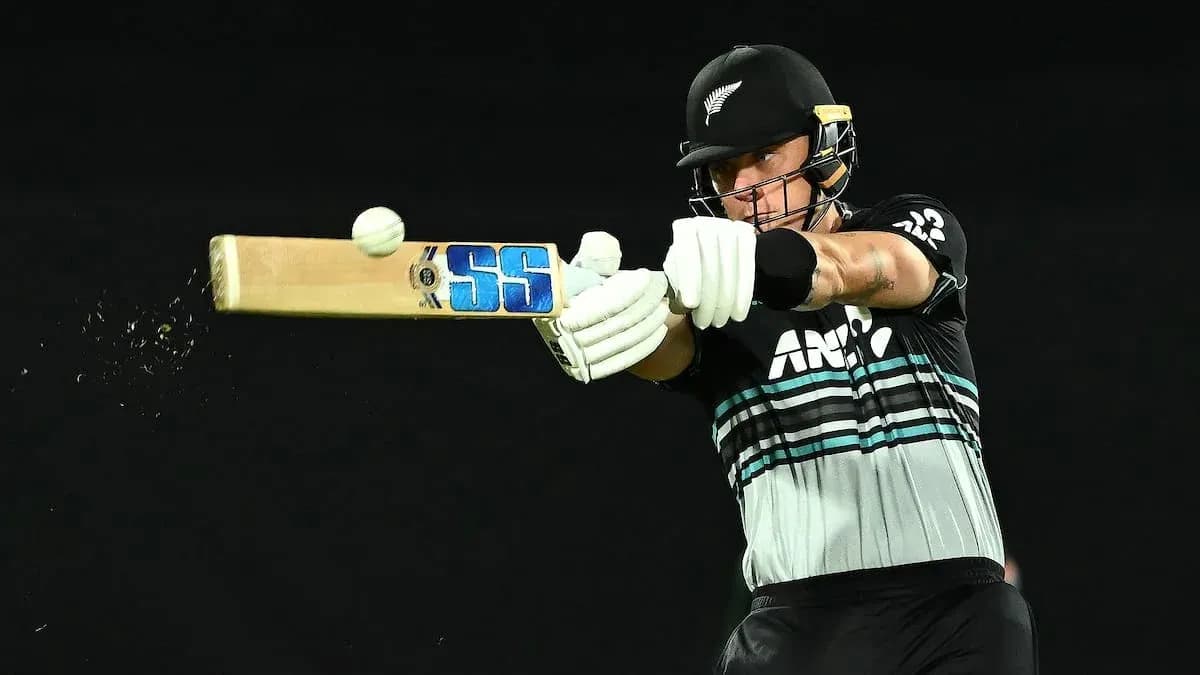
Pakistan cricket undergoes major overhaul as senior players are dropped
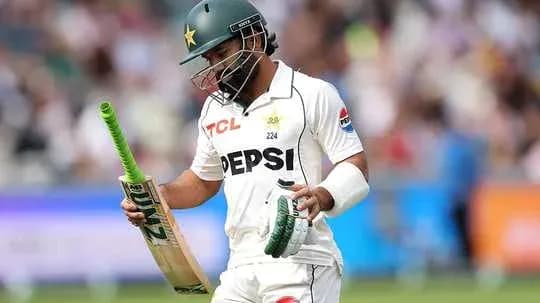
Pakistan’s tour of England has lurched from bad to chaotic. Two down in the series, five defeats in their last six Tests, and now a brutal mid-tour cull that has stunned even those used to turbulence in Pakistan cricket.
In a sweeping move that underlines just how rattled the set-up is, the team management — acting in concert with the Pakistan Cricket Board (PCB) — has released three senior players from the touring Test squad: former white-ball captain Salman Agha, Mohammad Rizwan and Imam-ul-Haq.
All three have struggled through the current World Test Championship (WTC) cycle, and their poor returns in England have pushed an already-frustrated hierarchy over the edge. Pakistan are already out of the race for the WTC final; now, the cost of that slide is being paid in careers and reputations.
This is no gentle reset. It is a clear message.
Senior men out, new blood in
The decision to send home Rizwan, Imam and Agha in the middle of a high-profile away series is virtually unheard of for Pakistan. Form, fitness and disciplinary concerns have all been cited as factors, but the timing tells its own story: 0–2 down in England, confidence shot, and a management group desperate to jolt the dressing room awake.
Into the chaos step Saim Ayub and Abdullah Fazal, both called up for the third Test at Birmingham, starting September 9. They represent the promise of something different — younger legs, fresher minds, and, the PCB will hope, fewer scars from recent defeats.
Their inclusion may not be the end of the changes. If UK visas can be cleared in time, fast bowlers Razaullah Khan and Mohammad Imran, left-arm spinner Arafat Minhas and wicketkeeper Rohail Nazir are also set to link up with the squad. That would turn Pakistan’s camp into a revolving door: senior figures out, a cluster of hopefuls in, all while a series in England still hangs in the balance.
The pressure has not been confined to the players.
Hesson steps in, Sarfaraz sidelined
There is a shake-up in the backroom, too, and it cuts just as deep. Mike Hesson, long associated with Pakistan’s white-ball operations, has been told to take charge of the Test side. The New Zealander is already in England and is expected to join the team imminently.
His brief is stark: salvage what remains of this WTC cycle and lay down a blueprint for a red-ball revival. Hesson will oversee the Test squad not only for the rest of the England tour, but also for two Tests in Sri Lanka in November and another two in New Zealand early next year.
Those appointments come at a cost for the existing Test leadership. Current Test coach Sarfaraz Ahmed and bowling coach Umar Gul have been pushed to the margins. They will remain with the touring party, but stripped of real authority, their roles now look more ceremonial than central.
It is a demotion in all but name, and it underlines just how decisively the PCB has chosen to pivot.
A series slipping away, a system under strain
This overhaul is not happening in a vacuum. Pakistan’s recent red-ball record is grim: five defeats in their last six Tests, with only a solitary win against West Indies offering any respite. The ongoing series in England has exposed familiar flaws — fragile batting, inconsistent bowling, and a team that too often drifts when the pressure rises.
Now, with the WTC campaign effectively dead, Pakistan have opted for shock therapy. Established names have been cut loose, a new coach has been parachuted in from the white-ball set-up, and a clutch of untested players is being thrown towards the deep end of an English tour.
It is bold. It is ruthless. It is also a gamble.
The third Test at Birmingham will reveal whether this dramatic reset sparks a response or simply deepens the sense of drift. For Pakistan, the question is no longer just how they finish this series, but what kind of Test team they want to be when the next cycle begins.