Pakistan Cricket Inquiry: Imam-ul-Haq's Injury Controversy
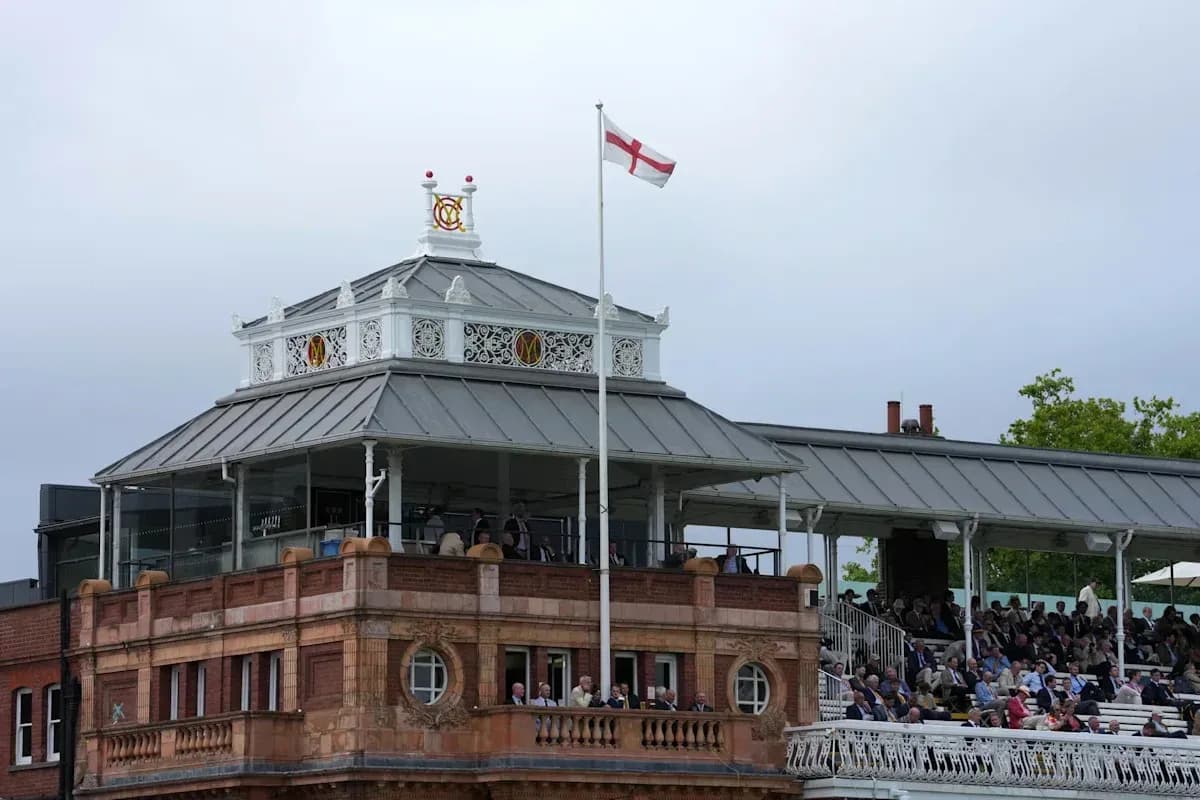
ISLAMABAD — Pakistan’s bruising tour of England has taken a fresh, contentious turn, with a senior selector publicly questioning Imam-ul-Haq’s injury and demanding an official inquiry into how the opener was handled at Lord’s.
Aaqib Javed, part of the four-member national selection committee, has put the spotlight firmly on both the medical staff and the player after Imam failed to bat in either innings of Pakistan’s 194-run defeat in the second Test.
A calf strain, a no-show, and a storm
Imam pulled up with a calf problem on the first day at Lord’s and took no further part in the match. For a team already under pressure after a heavy loss at Headingley, the sight of a frontline opener sidelined for the remainder of the Test only deepened the sense of crisis.
Then came the backlash.
“An inquiry will be conducted into this matter,” Aaqib told private broadcaster Geo TV in an interview aired on Tuesday night, making clear this would not be swept away as just another injury.
“How is it possible that you failed to come out to bat in both innings after pulling up a muscle?” he said. “Injuries do occur and we have seen instances in the past where players — even with casts — have gone out and made an effort. This situation is different. It is a matter of great concern, and action will be taken regarding it.”
Those comments cut through a dressing room already under scrutiny. Former chief selector Mohammad Wasim also voiced concern in the local media, amplifying the sense that Imam’s absence had become a symbol of something larger: questions about commitment, communication, and control.
Under that glare, Imam appeared on the outfield before play on the fourth day. He shadow-batted, his left calf heavily strapped, and limped visibly. The optics only sharpened the debate. If he could move and mimic shots, why had he not walked out to bat when Pakistan were sinking?
Recall from England and a reset for the final Test
The fallout has been swift and sweeping.
Imam was one of seven players recalled from England by the Pakistan Cricket Board, alongside bowling coach Umar Gul and head coach Sarfaraz Ahmed, after consecutive defeats at Headingley and Lord’s. The clear message: the tour, as it stood, was no longer salvageable with the same group.
White-ball head coach Mike Hesson and bowling coach Ashley Noffke will now step in to oversee the side for the final Test at Birmingham, starting September 9. It is an unusual mid-tour reshuffle, and it underlines just how fractured the setup has become.
Selectors have responded with a bold, almost ruthless, selection call: five uncapped players drafted in, plus openers Saim Ayub and Abdullah Fazal, who between them have only 10 Tests of experience. Pakistan are not just tweaking; they are tearing up the script.
Selection rift comes into the open
Behind the scenes, tensions have been simmering for weeks. Now they are spilling into public view.
Reports of serious differences between the team management and Aaqib over the Lord’s XI have gathered pace, and his own account of those discussions paints a picture of a selection structure pulling in different directions.
“We can’t just keep waiting,” Aaqib said. He explained that after the first Test he had urged captain Babar Azam and head coach Sarfaraz to inject pace and balance into the side.
He wanted a fast-bowling allrounder and raw pace: Ubaid Shah, who operates at around 140 kph, in the XI. He also pushed for wicketkeeper-batter Ghazi Ghori to play instead of Mohammad Rizwan. In his view, the tour party already contained the options; the management simply refused to use them.
“Agha was rightly rested, Ghazi Ghori was available on the tour and should have played instead of Rizwan,” Aaqib said, pointing out that the only change the tour management made was to drop Salman Ali Agha — the stand-in captain in the first Test when Babar was injured.
So Pakistan arrive in Birmingham with a new coaching axis, a remodelled squad, and an inquiry looming over one of their senior batters. The defeats at Headingley and Lord’s have done more than dent a series; they have ripped open the fault lines of a cricket system struggling to decide who truly calls the shots.