Pakistan Cricket Players Drawn into Cyber Crime Investigation
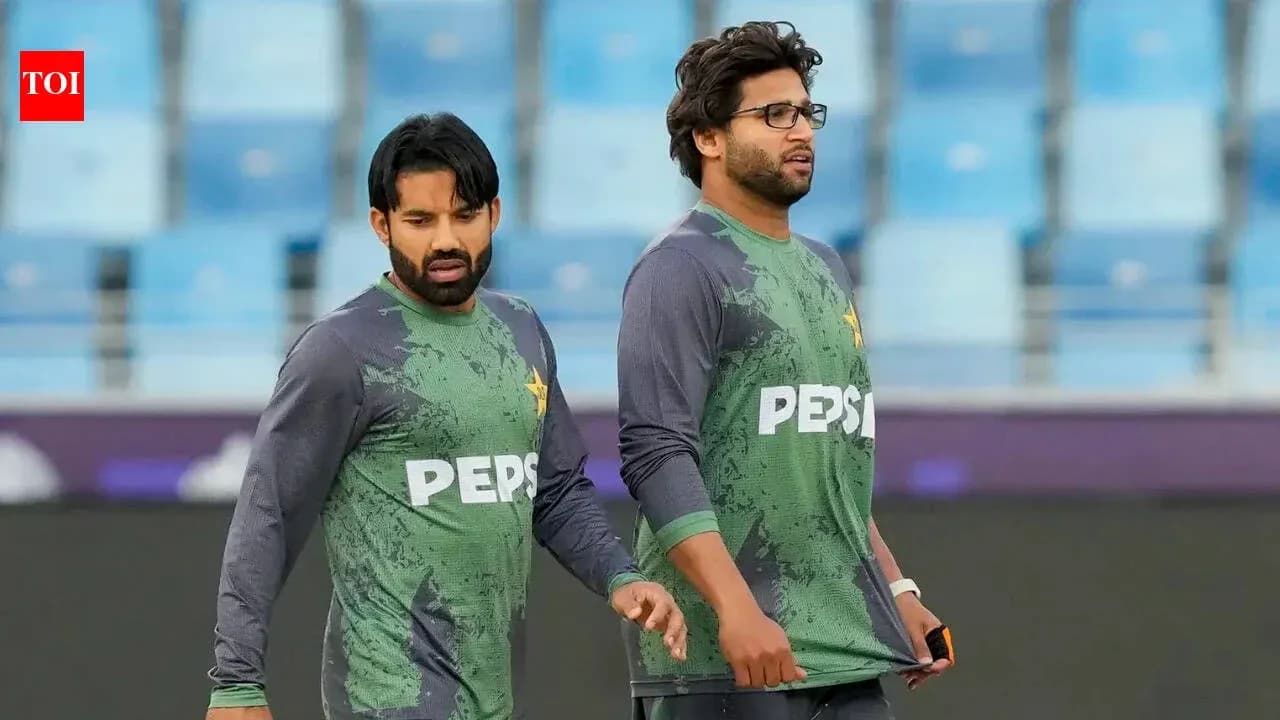
Pakistan cricket’s turbulent summer has taken another dramatic turn, with Mohammad Rizwan and Imam-ul-Haq now drawn into a cyber crime investigation after already being sent home from the Test tour of England.
According to Geo News, the National Cyber Crime Investigation Agency (NCCIA) has summoned both players for questioning, acting on information retrieved from their mobile phones. A third Pakistan cricketer has also reportedly received a notice, deepening the sense of unease around the national side.
Phones seized, questions multiply
Sources cited by Geo News say the Pakistan Cricket Board (PCB) first took custody of Rizwan and Imam’s phones before handing them over to the authorities. The NCCIA will now examine the data extracted from those devices as part of an ongoing inquiry.
Why the PCB moved to seize the phones in the first place remains unanswered. The board has not issued any official explanation, leaving a vacuum filled only by speculation and growing scrutiny. What is clear is that this is no routine disciplinary matter; once cyber crime investigators step in, the stakes change.
Notices have been served to Rizwan and Imam, instructing them to appear for questioning. The scope of the NCCIA’s probe has not been publicly detailed, but the involvement of a federal investigative body has pushed the story far beyond the boundaries of selection debates and on-field performance.
Fallout from Lord’s defeat
This latest twist comes on the back of a brutal reset following Pakistan’s 194-run defeat to England at Lord’s, a result that triggered sweeping changes to the Test squad.
Seven players were released from the touring party and sent back to Pakistan: Mohammad Rizwan, Imam-ul-Haq, Salman Ali Agha, Ali Usman, Aamer Jamal, Awais Zafar and Khurram Shahzad. It was a clear statement from the PCB that no one was safe after the collapse at one of cricket’s most iconic venues.
The shake-up did not stop with the playing group. Head coach Sarfaraz Ahmed and bowling coach Umar Gul were removed from their roles. In their place, white-ball head coach Mike Hesson and bowling coach Ashley Noffke were drafted in to take charge of the Test side, an unusual crossover that underlined the urgency — and perhaps the desperation — of the response.
One heavy defeat had turned into a full-blown overhaul. Now, that overhaul has bled into an investigation involving cyber crime officials.
Selection under the microscope
While the NCCIA examines digital evidence, the PCB is running a separate inquiry of its own, this one focused on how Rizwan and Imam ended up in the Test squad in the first place.
Earlier this month, the board demanded a written explanation from a member of its Selection/Advisory Committee over the recommendation to pick the two players for the Test tours of the West Indies and England. In a notice dated August 31, the PCB pressed for clarity on selection criteria, performance metrics and any other factors that justified their inclusion.
The tone of that notice was telling. The board labelled the matter “urgent and of utmost importance” and gave the committee member just 24 hours to respond. It was not a gentle internal review; it was an interrogation of judgment at the heart of Pakistan’s selection process.
So, on one front, selectors are being asked to defend their calls. On another, players are being asked to explain the contents of their phones.
A team under siege
For Rizwan and Imam, the sequence has been brutal: dropped from the touring squad, phones confiscated, now summoned by the NCCIA. For the PCB, every new development sharpens the focus on governance, transparency and control.
The questions are piling up faster than the answers. Why were the phones taken? What exactly are investigators looking for? And how does a team trying to recover from a hammering at Lord’s regroup when its key figures are being pulled into inquiries off the field?
Pakistan’s season was already at a crossroads after that defeat in England. With cyber crime notices now in play and selection decisions under formal scrutiny, it has become something else entirely: a test not just of a team, but of an entire system.