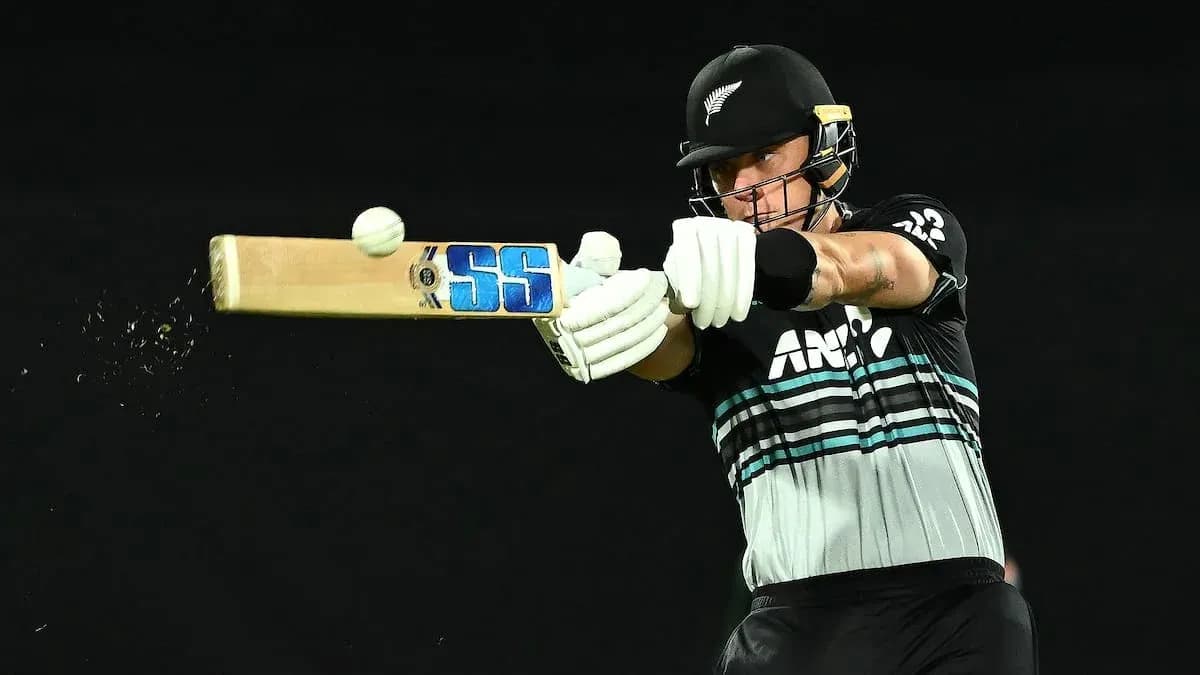
Pakistan's Cricket Collapse and Iceland's Unexpected Inspiration
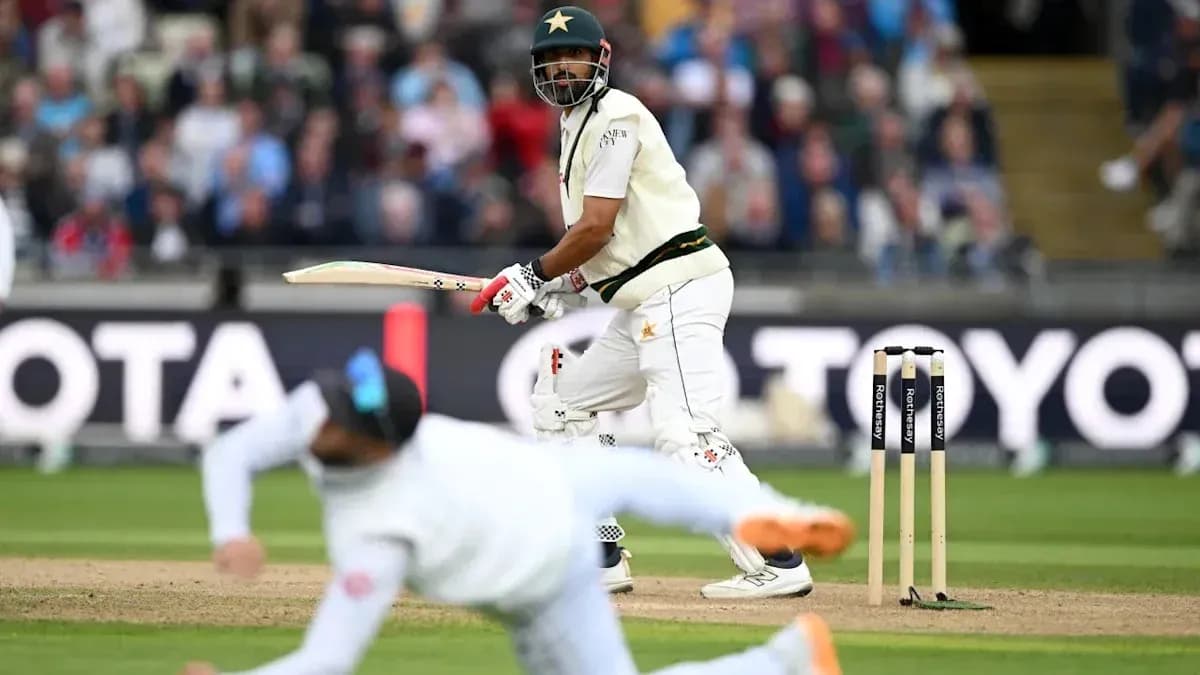
It takes a special kind of collapse to inspire Iceland.
Not the glaciers-and-volcanoes Iceland. The Twitter-account-with-a-cricket-team Iceland. Yet on a grey final day at Edgbaston, as England eased to a 3-0 whitewash, Pakistan managed exactly that.
A rearguard that changed nothing – and said everything
Pakistan’s tour of England had already frayed at the edges before a ball was bowled in the third Test. By the time they reached Birmingham, it was in tatters. Off-field chaos, on-field confusion, and a record that read 15 defeats in their last 20 Tests. The 16th was coming.
They began this match by being bowled out for 133 on the best batting surface of the series. That first innings, as Babar Azam later admitted, was the real crime scene: “Too many soft dismissals.” England, ruthless and organised, did what good sides do – they built a lead and tightened the noose.
Only Razaullah Khan refused to go quietly.
His brisk 81 in the second innings did not change the result, but it changed the mood for a while. He dragged Pakistan past the innings-defeat margin, forced England to bat again, and gave a bruised dressing room something – anything – to cling to. It was the kind of knock that restores a little pride while underlining how much has been lost.
England needed just 130. On this tour, that felt like a formality. Then, for a few fleeting minutes, Pakistan remembered how to snarl.
Mohammad Abbas removed Ben Duckett with the very first ball of the chase. Same over, Emilio Gay followed. Two wickets, no runs. England 0 for 2. A series that had looked like a procession suddenly had a pulse.
Edgbaston stirred. Pakistan’s seamers sensed a crack in the door. For the first time in the match, England were under pressure.
The problem for Pakistan? Joe Root lives for those moments.
Root and Cox shut the door
Root and Jordan Cox did not panic. They absorbed the early burst, trusted their technique, and turned a wobble into a stranglehold. Little by little, the chase shrank. Little by little, Pakistan’s last hope seeped away.
Root should not have been there to finish it.
On 23, Mohammad Ali beat him and hit the stumps, only for the umpire to stretch out an arm: no-ball. It was Ali’s 17th no-ball of the series, a staggering statistic that summed up Pakistan’s lack of discipline. Later, on 38, Root edged Abbas between first and second slip. Neither fielder committed. The ball flew through the gap, and with it went Pakistan’s last realistic chance.
From that moment, England never looked back.
Root, serene now, ticked off another landmark. He finished unbeaten on 62, his 110th Test innings of fifty or more, with 41 of those converted into hundreds. Cox, composed and unfussy, stayed with him on 59 not out. The target disappeared in the 25th over. Eight wickets in hand. A 3-0 whitewash sealed with a shrug of inevitability.
Root still found room to tip his cap to the opposition.
“Fair play to Pakistan, they threw some punches last night,” he said afterwards. “They made it very difficult for us and in some ways it’s a good thing to go through that.”
For England, it was a test of nerve that lasted about half an hour. For Pakistan, it was the high point of a tour that will be remembered for all the wrong reasons.
Iceland’s punchline lands hard
That is where Iceland Cricket stepped in.
Their social media account, already notorious for its sharp tongue, delivered the line of the series. On X, they wrote:
“We believe we won’t be hopeless at cricket forever, and Pakistan’s fight in the Third Test gave us exactly that hope. We aim for world cricketing domination by the year 2082. If we can do it sooner than then, we will, because our Board will all be dead in 2082.”
It was funny. It was brutal. It also hit a nerve.
The joke worked because it carried a sliver of uncomfortable truth. Pakistan, a proud Test nation with a storied history, have sunk to such a level that even a minnow can look at their brief resistance and treat it as a beacon. When the standout memory of a tour is a lower-order counterattack in a match lost by eight wickets, something deep in the system is broken.
A tour that fell apart on and off the field
The numbers are damning. This was Pakistan’s 16th defeat in their last 21 Tests. No side with serious ambitions in the longest format survives that sort of trend without radical change.
The changes, though, have been anything but coherent.
Seven players were removed from the squad after the second Test. Head coach Sarfaraz Ahmed and assistant Umar Gul were both sacked mid-tour. A disciplinary inquiry swept through the camp, phones were confiscated, and stories leaked out faster than runs on the field. Babar Azam, the captain, discovered some of the squad changes from a press release, not from a conversation.
That is not a bad patch of form. That is a collapse in planning, communication and culture.
Babar, fronting up after the loss, circled back to the basics. The bowlers, he said, had competed. The first innings batting, he insisted, had cost them. On the scoreboard, he was right: 133 on that pitch was inexcusable. But the wider damage goes beyond one bad session or one soft dismissal too many.
This is a team playing without a long-term map. Coaches shuffled, players discarded, messages mixed. One week, a player is part of the future. The next, he is on a flight home. That churn filters onto the field in the form of no-balls, missed chances in the slips, and collapses that make Iceland dream of 2082.
England’s clarity, Pakistan’s question
England’s 3-0 scoreline will be logged as a “historic whitewash,” and rightly so. Root’s reliability, Cox’s emergence, the collective control with ball and bat – they all tell the story of a side that knows what it wants to be and how it wants to play.
Pakistan, by contrast, leave with more questions than answers.
They have talent. They always do. They can still produce a Razaullah innings out of nowhere, still conjure a double-strike from Abbas to rattle a top order. But talent without structure is a party trick, not a plan.
Right now, there is no sign of a coherent long-term vision. No visible blueprint for how this Test side is supposed to evolve, who leads it, how it handles crisis, or how it stops lurching from one upheaval to the next.
The scoreboard at Edgbaston read: England won by eight wickets. The series tally read: England 3, Pakistan 0.
The more telling figure, though, might have been that Icelandian deadline – 2082 – hanging in the background like a dare.
How long can a major cricket nation live off history and flashes of defiance before someone, somewhere, decides that even Iceland have a clearer plan?