Nigar Sultana Quits T20I Captaincy After Asian Games
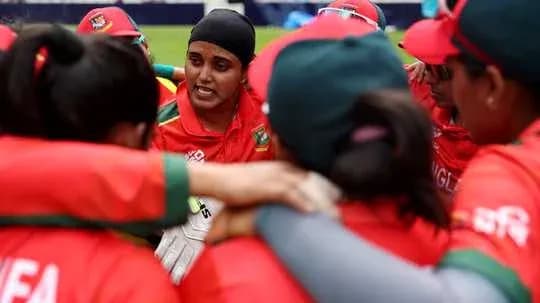
Nigar Sultana, the central figure of Bangladesh women’s cricket in recent years, has decided to walk away from the T20I captaincy after the Asian Games, choosing to strip her role back to what first made her indispensable: runs, catches, stumpings – and calm under pressure.
The wicketkeeper-batter has already informed the Bangladesh Cricket Board of her decision, with BCB president Tamim Iqbal accepting the move. The formal communication arrived in a letter sent from Japan on Tuesday (September 15), a quiet but decisive full stop to her stint as T20I leader. She will continue to captain the ODI side.
For Nigar, this is not a retreat from responsibility so much as a recalibration. She wants to pour more energy into her batting and wicketkeeping, areas where her influence remains most direct and most measurable. The captaincy, at least in the shortest format, will now pass to someone else.
A tenure of sharp highs and nagging questions
Nigar has led Bangladesh in T20Is since 2022, a period that has packed a career’s worth of drama into a few intense seasons. Her defining high came at the 2024 T20 World Cup, where Bangladesh finally snapped a decade-long wait for a World Cup win by beating Scotland.
That victory carried more than just two points. It broke a psychological barrier. And Nigar stood in the middle of it – literally and figuratively.
With the bat, she put up 104 runs in four innings in that tournament, anchoring fragile scorecards and giving Bangladesh something to bowl at. With the gloves, she was razor-sharp, racking up seven dismissals. Those numbers tell part of the story; the rest lies in the way her presence steadied a side that had grown used to leaving global events empty-handed.
Earlier in 2026, Bangladesh swept through the World Cup qualifiers unbeaten under her watch. It was the kind of ruthless, controlled campaign boards dream about when they hand a player the armband. The team looked organised, sure of itself, and increasingly comfortable in tight moments.
But the shortest format rarely allows a captain to coast. The bumps came quickly.
A 2-1 home series defeat to Sri Lanka cut against the optimism of the qualifiers. Bangladesh then stumbled through a Scotland-Netherlands tri-series, producing mixed, uneven performances that never quite matched their potential. At the World Cup itself, they managed only two wins in five matches. Results like those dragged Nigar’s leadership into the spotlight and kept it there.
Every tactical call, every batting order tweak, every field change started to feel like a referendum on her captaincy.
Stepping aside, not stepping back
This decision, then, lands at a crossroads moment for both player and team. By stepping down from the T20I role while staying on as ODI captain, Nigar is choosing clarity. She wants to sharpen the parts of her game that Bangladesh still lean on most heavily, without the constant churn of T20 scrutiny.
For the BCB, it opens up a new chapter. A fresh T20I captain will inherit a side that has tasted both the thrill of World Cup progress and the sting of inconsistency. The foundation Nigar helped lay is there; the challenge is to build something more durable on top of it.
For Nigar, the next test is different. Without the T20I armband, she will be judged almost entirely on output – runs on the board, chances taken or missed, the way she still sets standards in the dressing room even without the official title.
She has chosen to bet on her core skills. Bangladesh now have to decide who they trust to lead the sprint while she continues to marshal the longer game.