Marnus Labuschagne Axed from Australia's ODI Squad
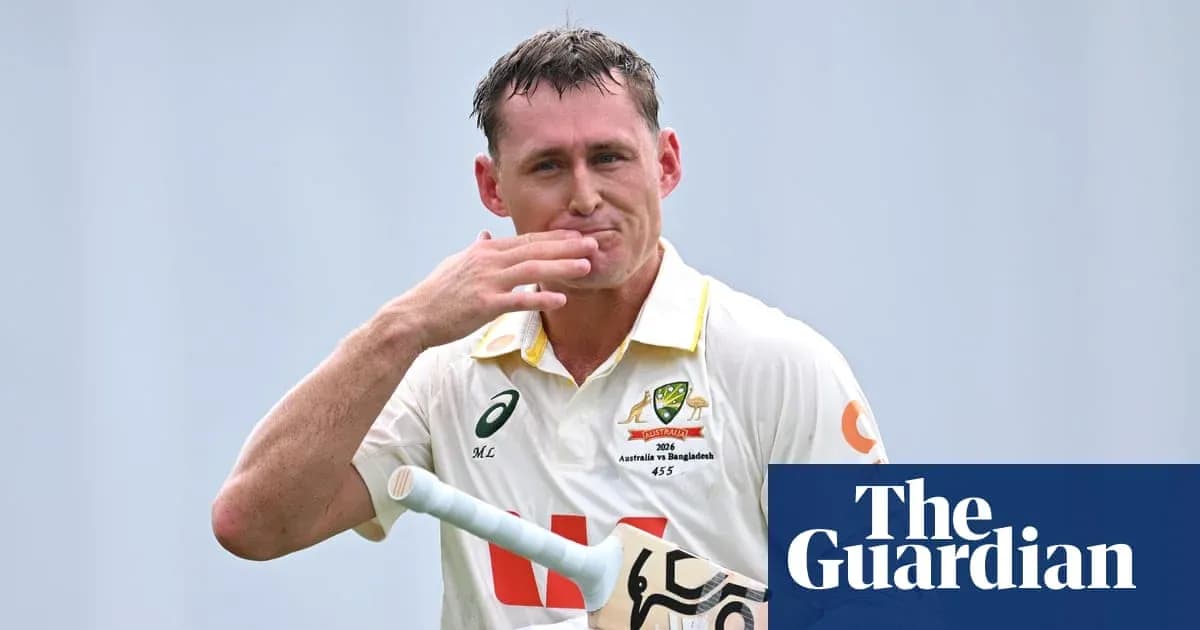
Marnus Labuschagne’s once-soaring international career has hit its most serious turbulence yet, with the batter axed from Australia’s ODI squad for the tours of Zimbabwe and South Africa – even as selectors insist his Test hopes remain alive.
This is no minor snub. The 50-over group named on Tuesday has one clear purpose: build towards next year’s ODI World Cup, to be staged in the same African conditions Australia will encounter in the coming weeks. Labuschagne is not part of that plan.
White-ball door closes – for now
Labuschagne was one of five players cut from the side that faced Bangladesh in Australia’s last ODI in June. The message from the panel, led by George Bailey, was blunt in its implications if not its tone: the World Cup build-up has started, and others have moved ahead of him in the pecking order.
“It was a one-day cricket conversation, this is a pretty important tool for us,” Bailey said, underlining the strategic weight of these six ODIs in Zimbabwe and South Africa. “Zimbabwe and South Africa, that’s where the World Cup will be played late next year.”
There are not many games left to experiment. Australia have chosen to invest those overs in players they believe can define their next World Cup push. Labuschagne, once central to that vision, now finds himself watching from home.
“At his best,” Bailey noted, Labuschagne has played “some really important one-day cricket” for Australia. But the structure of the current side left “no space for him.”
That is a stark shift for a player who, not long ago, seemed almost undroppable in any format.
From world No 1 to the fringes
In 2023, the ICC ranked Labuschagne as the best Test batter on the planet. He was the metronome at No 3, the man who turned tricky mornings into long, grinding afternoons for opposition attacks.
Since then, the runs have dried up. He has averaged under 30 in Tests, and his ranking has slipped to equal 38th. The numbers from his most recent assignments tell their own story: an average of 25 in last summer’s Ashes, followed by scores of 1, 31 and 4 in the Tests against Bangladesh.
For a player whose game is built on volume and relentlessness, that drop-off is brutal.
He had already skirted the edge of the Test side before last summer’s Ashes, needing a strong start to the Sheffield Shield season to nail down his spot. He delivered then. This time, he won’t get the same chance. Queensland will not play before the Test squad for South Africa is announced later this month, leaving Labuschagne with no red-ball audition before the selectors meet.
Test future: door still ajar
Bailey, though, was at pains to separate the ODI decision from the looming Test call.
This, he stressed, was about white-ball planning, not a final verdict on Labuschagne’s red-ball career.
“It’s just about not having to make a decision until you need to make a decision,” he said, as the panel weighs up the first Test against South Africa on 9 October.
The selectors are still piecing together their information: expected pitches in South Africa, likely conditions, the fitness status of several players, and the ideal balance of roles and squad size. Labuschagne’s fate sits somewhere inside that complex puzzle.
He is no longer the automatic ink-on-team-sheet presence he once was. But he is not out of the Test conversation either. Not yet.
New blood, new direction
While Labuschagne absorbs the blow, two younger names are moving in the opposite direction.
Oliver Peake, the 19-year-old Victorian left-hander who became the youngest specialist batter to debut for Australia’s ODI team earlier this year, has been backed again. So has Joel Davies, the 22-year-old allrounder from NSW who made his international bow in the T20 series against Bangladesh in June.
“For Ollie and Joel, who we rate very highly, it’s another fantastic opportunity and a further chance for them to continue their exposure and growth in the Australian team,” Bailey said.
Those words matter. They speak to a shift in emphasis: towards youth, versatility, and long-term investment in players who can shape multiple cycles.
Labuschagne once embodied that future. Now, as Australia sketch out the next phase of their white-ball identity, he stands on the outside, waiting to see if the red-ball arena will still offer him centre stage or simply a final, fading act.