Mark Chapman Opts for Casual Deal to Pursue BBL Opportunity
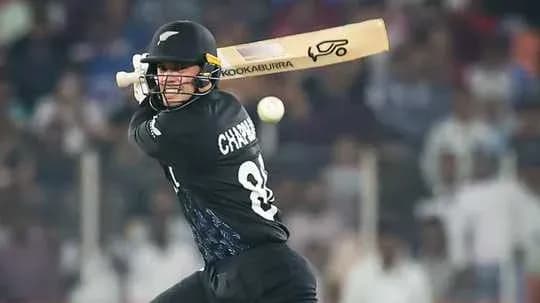
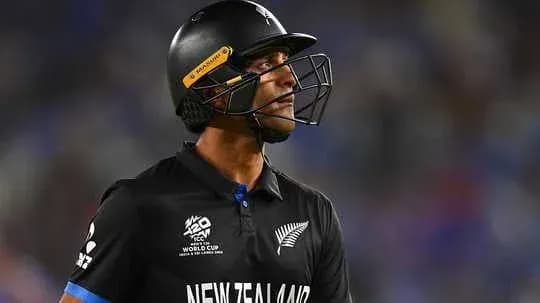
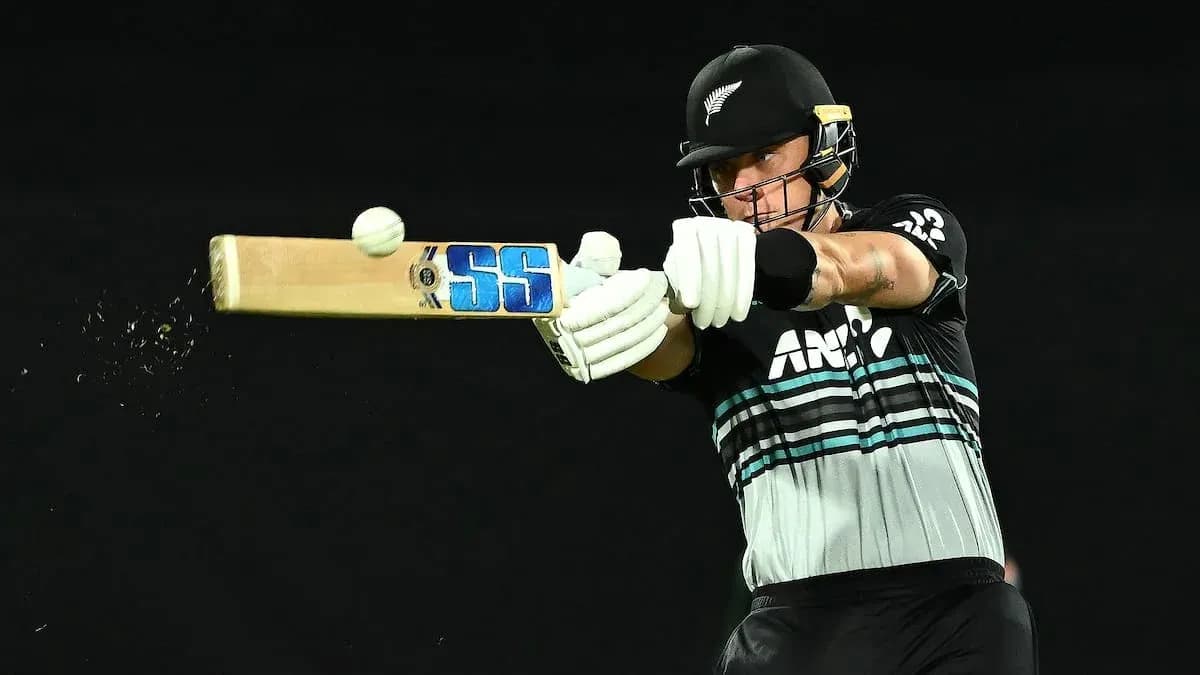
Mark Chapman has taken the calculated risk many modern cricketers now face head-on. The New Zealand batter has turned down a central contract for the 2026-27 season, opting instead for a casual deal with New Zealand Cricket so he can throw his hat fully into the Big Bash League ring.
He is not walking away from the silver fern. Far from it.
Chapman remains available for New Zealand’s upcoming home series against India and will do so alongside four other BLACKCAPS on similar casual arrangements: Finn Allen, Lockie Ferguson, Adam Milne and Tim Seifert. All five are trying to thread the needle between international loyalty and the booming pull of franchise cricket.
The timing makes the choice stark.
The BBL 2026-27 is locked in from December 12 to January 26. That window slices straight through New Zealand’s four-Test tour of Australia (December 9 to January 8) and overlaps with the white-ball leg of the home series against Sri Lanka, which includes three ODIs and the first T20I on January 26.
So Chapman has drawn his line. Test cricket and that Sri Lanka white-ball leg will be sacrificed to keep the Australian T20 door wide open.
“I’m thankful to New Zealand Cricket for their support now and throughout my career,” Chapman said. “The upcoming India series is one all us players are really excited for, and I’m committed wholeheartedly to performing in that series.”
The message is clear: India at home remains a priority. The rest of the calendar becomes a negotiation.
Fisher’s rise opens a new fast-bowling chapter
Chapman’s departure from the central list has created an opening, and New Zealand Cricket has moved quickly to use it as an investment in pace.
Northern Districts fast bowler Matthew Fisher has been elevated to a central contract for the first time, a significant step for a quick whose speed has already turned heads in limited opportunities for the BLACKCAPS.
“With Matt Fisher coming onto the central contract list, it creates a space at Northern Districts to bring another athlete onto their contract list to continue their development. Matt has impressed with the opportunities he’s had for the BLACKCAPS, and his pace is definitely something we want to nurture,” said NZC Chief High Performance Officer Daryl Gibson.
The subtext is obvious. New Zealand’s schedule over the next year is brutal for fast bowlers. They cannot afford to run short.
Selection manager Gavin Larsen did not dress it up.
“With the heavy schedule of cricket coming up, notably the Test matches against India, Australia, and Sri Lanka, we know we’ll need good depth in our fast-bowling stocks to give the BLACKCAPS the best chance of success. Matt is someone able to bowl that express pace which is extremely valuable to the balance of any side, so we’re excited to have him on the central contract list,” Larsen said.
Express pace, in New Zealand conditions and on Australian pitches, is currency. Fisher now carries the tag of a bowler the national setup wants to build around, not just trial.
A summer bursting at the seams
All of this maneuvering sits against a backdrop of one of the most demanding home summers New Zealand have faced in recent years.
It starts with India. A 12-game epic: five ODIs, five T20Is and two Tests, running from October 22 to December 1. That alone would stretch most squads to the limit.
Then comes the Trans-Tasman gauntlet. Between the India and Sri Lanka series, New Zealand cross the Tasman for four Tests against Australia, a tour that traditionally exposes any frailty in depth, skill, or resilience.
From mid-January, Sri Lanka arrive for a month-long visit: three ODIs, three T20Is and two Tests. Another full series, another load on the fast-bowling group, another test of how well New Zealand have planned their resources.
This is where Chapman’s decision, and Fisher’s promotion, slot into a bigger picture.
New Zealand are trying to keep their best white-ball talent engaged while shoring up a fast-bowling core that can survive back-to-back high-intensity series. Casual contracts offer flexibility for players chasing franchise windows. Central contracts secure the spine of the Test and multi-format squad.
The question now is not whether this model can function in theory. It is whether, across India at home, four Tests in Australia, and a full Sri Lanka tour, it will hold under fire.