Mahli Beardman's Spectacular ODI Debut: Six Wickets Against England
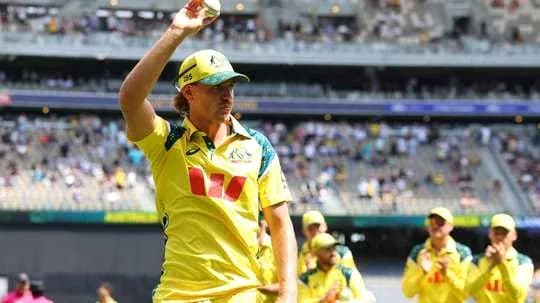
Mahli Beardman walked into one-day international cricket with the kind of entrance that usually belongs in folklore, not in a debut scorecard.
On a raw, bristling afternoon in Perth, with Australian cricket still carrying the bruises of old sandpaper headlines, a 21-year-old quick from the new generation ripped straight through England and, for a few hours at least, dragged the conversation somewhere far more appealing.
Six wickets. Twenty-four runs. 7.4 overs. The best figures by an Australian on ODI debut. And England gone for 131 in 33.4 overs.
A new name, an old-style demolition
Australia’s decision to bowl first was bold only on paper. The surface had pace, it had bounce, and it had just enough mischief to reward anyone willing to hit it hard. Spencer Johnson set the tone, but Beardman stole the show.
Johnson removed Ben Duckett early, then checked Tom Banton’s bright start after five boundaries, trimming England to 38 for 2 and exposing a middle order that had grown used to flatter, friendlier pitches in Pakistan.
Then came Beardman.
Introduced in the 10th over, he needed barely a handful of deliveries to announce himself. Harry Brook was first, undone by a ball that angled in, then jagged away late, kissing the edge on its way through. It was the sort of dismissal that makes batters question the pitch, the ball, and their own judgment in the space of one replay.
Joe Root, on his 200th ODI appearance, followed soon after. Another full delivery, another hint of shape away, another edge. A landmark day for England’s great modern anchor, but hijacked by a kid on debut with the new ball talking his language.
From there, England’s innings disintegrated.
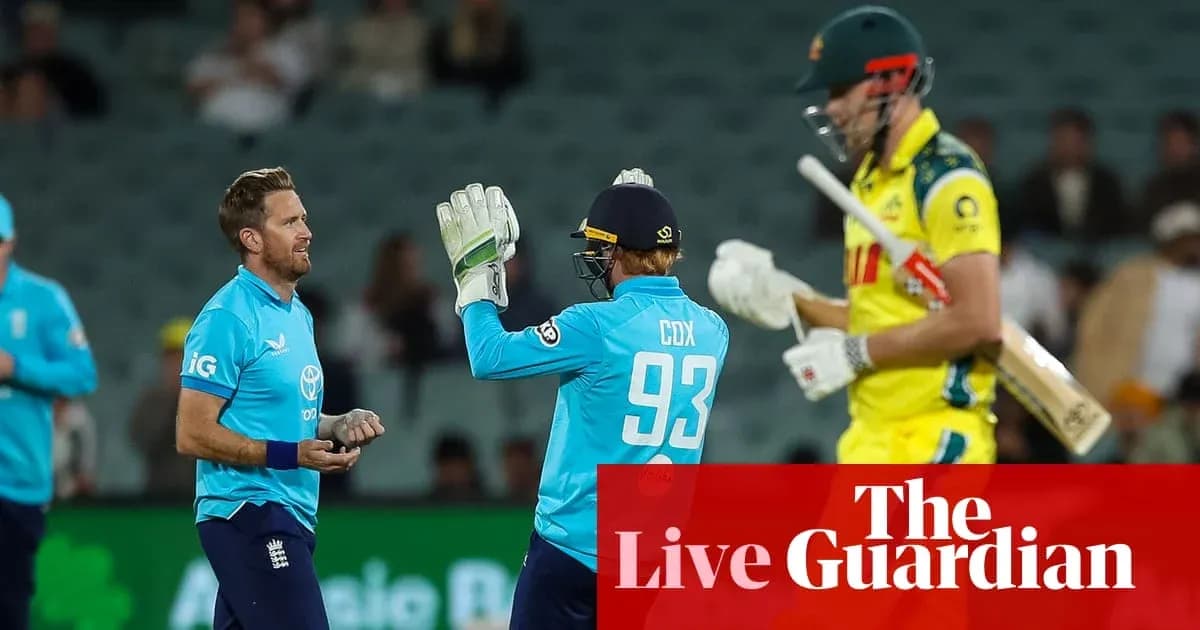
Jordan Cox nicked off. Sam Curran was bounced out by a short ball that hurried him. Liam Dawson’s dismissal capped a staggering burst: five wickets for Beardman in 28 balls, England slumping to 60 for 7 and looking utterly lost against pace that refused to be one-dimensional. He mixed heavy length with movement, hostility with control, and England’s middle order never found an answer.
Johnson kept the squeeze relentless at the other end, finishing with 3 for 42. For a while, it looked like England might not even clear three figures.
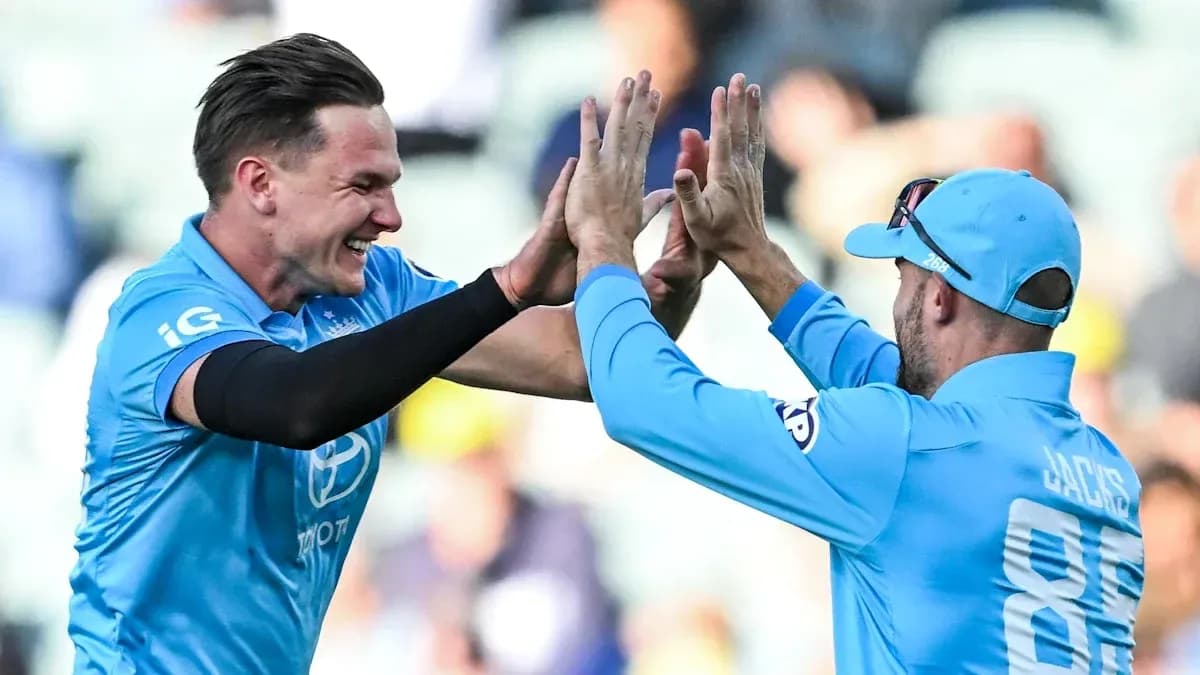
Will Jacks and Gus Atkinson at least delayed the inevitable. Their 37-run stand for the ninth wicket gave the scorecard a little respectability, Atkinson’s unbeaten 29 nudging England past the embarrassment line. But Beardman was always going to have the final word. He returned, found Jofra Archer’s edge to gully, and sealed his six-for with the kind of calm that suggested this might just be the beginning, not the outlier.
Marsh flattens any faint resistance
Chasing 132, Australia had the luxury of time and wickets. They barely needed either.
England grabbed a sliver of hope with the first ball of the reply. Atkinson, fresh from his late-order resistance, sent Travis Head back for a golden duck, another drag-on to add to the left-hander’s growing collection of similar dismissals. A messy, familiar way to go, and a brief reminder that even simple chases can wobble.
Mitchell Marsh made sure it never did.
The Australian captain walked out with intent and never loosened his grip. He went after England’s attack from the start, punching gaps, clearing the rope, and turning a low chase into a personal statement. His fifty came from just 30 balls, laced with four sixes and four fours, and with every clean strike the contest drained of tension.
By the time Jamie Overton finally had Marsh caught, the job was almost done. The scoreboard said so, and England’s body language confirmed it.
Cooper Connolly added a neat 27, briefly enlivening the middle overs before Archer removed him, but there would be no twist. Josh Inglis and Matt Renshaw closed it out with minimal fuss, steering Australia home in 23.3 overs. Seven wickets in hand, 159 balls unused, and a margin that felt every bit as brutal as it sounds.
On a day framed by old wounds, it was the youngest fast bowler on the park who offered Australia something far more valuable than a routine home win: the sense that a new name might soon sit comfortably alongside some very big ones in the country’s fast-bowling lineage.