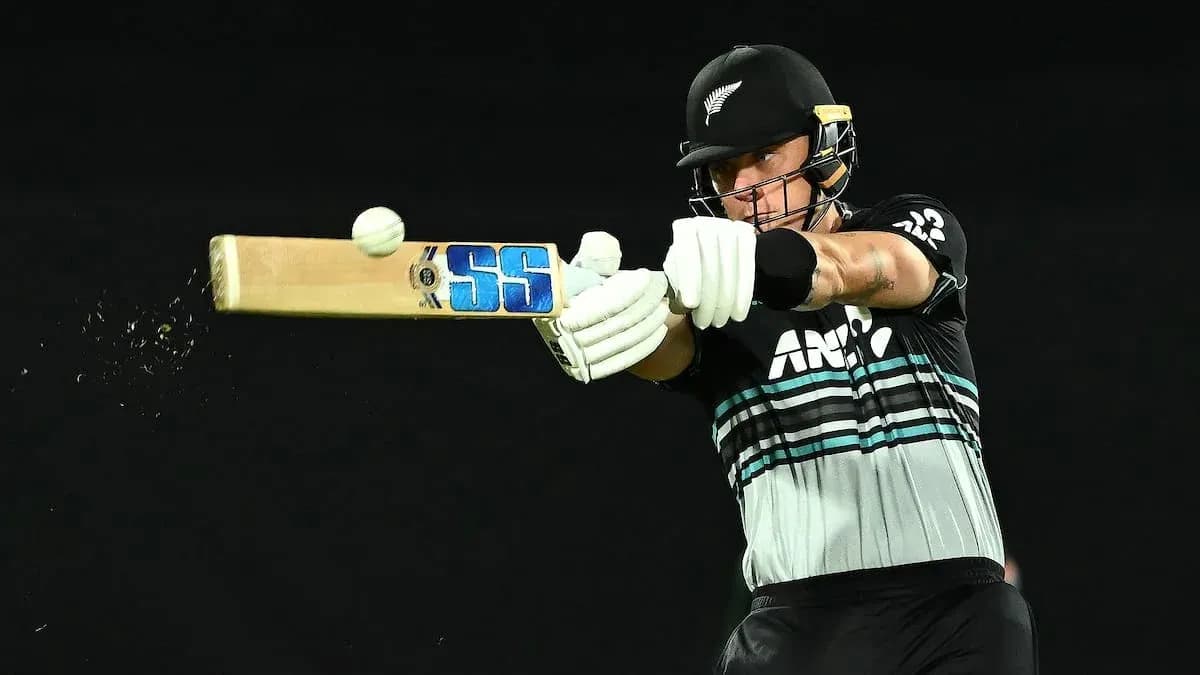
Lancashire Cricket Faces Major Changes as Chilton and Thorley Depart
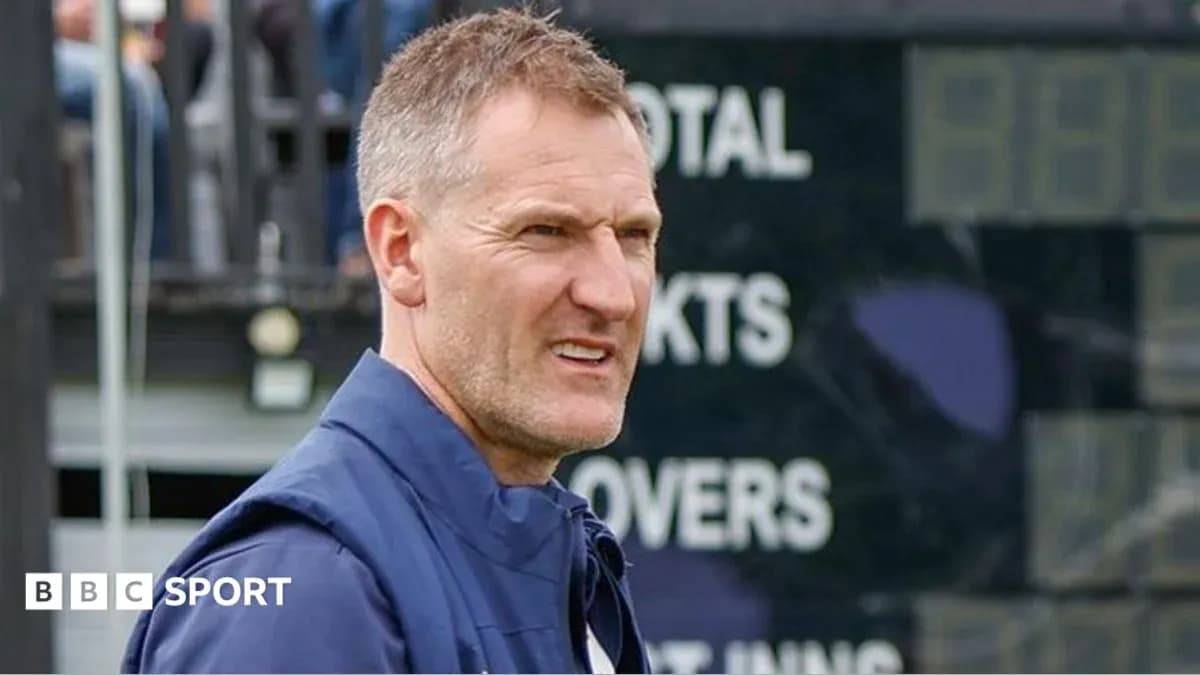
Lancashire’s most turbulent season in recent memory will end with two of the county’s key architects heading for the exit.
Mark Chilton, a former captain and a fixture at Old Trafford for more than two decades, is leaving his role as director of cricket performance. David Thorley, director of women’s cricket, will also depart as the Red Rose begin a major behind-the-scenes reset.
For a club that prides itself on continuity, this is a jolt.
Chilton has been embedded in Lancashire’s modern story. Player, captain, coach, then performance chief. He joined the coaching staff in 2014 and stepped into his current position in 2021, tasked with shaping a squad capable of challenging across formats.
Instead, this year has brought a brutal reality check.
Lancashire are staring at their lowest ever finish in the County Championship after a miserable 2026 campaign. With one game left, they sit seventh in Division Two. Results elsewhere could yet drag them to the foot of the table. For a club that still talks about red-ball cricket as its heartbeat, that is a damning line in the record books.
Women’s Set-up
The women’s set-up tells a more complex story.
Thorley has been in post since 2020, a period that spanned the shift from a regional structure to a county-led model in the women’s game. Under his watch, Lancashire Women climbed quickly, lifting both the One-Day Cup and the T20 County Cup in 2025. Those trophies looked like the start of an era.
This season has cut across that optimism. Lancashire finished bottom of the T20 Blast table and failed to reach the knockout stages of the One-Day Cup. Momentum stalled. The sense of a project on the rise suddenly felt fragile.
The club’s hierarchy has chosen this moment to act.
“We all share the ambition of seeing our Lancashire teams win games, progress in competitions and compete for trophies,” chief executive Daniel Gidney said.
For him, the County Championship remains “at the heart of the club’s cricketing vision” on the men’s side, while the target for Lancashire Women is to “consistently challenge for major honours.”
His words underline the scale of the task now facing whoever comes in next. This is not tinkering. It is a reset.
Gidney paid tribute to both departing figures, thanking Chilton for his “long association with the Red Rose” and Thorley for steering the women’s programme through a “transformational period”. The appreciation is genuine; so is the recognition that something had to change.
The timing is stark. One more Championship match, then a winter of hard questions.
Lancashire have made it clear they still see themselves as a club that should be contesting titles, not counting the cost of relegation battles and bottom-place finishes. The departures of Chilton and Thorley draw a line under one chapter.
The real judgment will come with what – and who – writes the next one.