Labuschagne Gets Chance as Australia Prepares for South Africa Tests
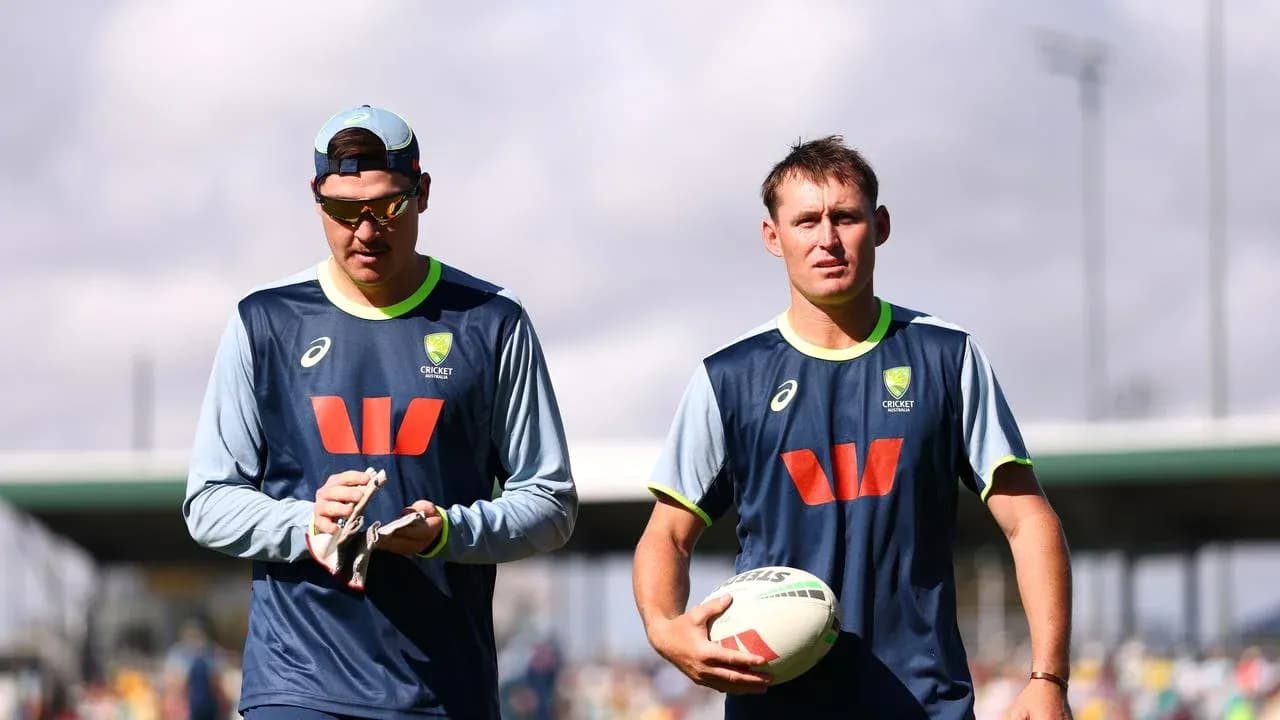
Marnus Labuschagne has been spared the axe and handed one more chance to solve his game, as Australia named a 16-man squad for next month’s three-Test tour of South Africa.
It is a reprieve, no question. It is also a warning.
The 30-year-old, who once churned out runs as reliably as the Kookaburra went out of shape, now finds himself in a genuine scrap for his spot with Cooper Connolly and Josh Inglis. All three are in the frame for a top-order berth, with selectors leaving the No.3 position deliberately ajar ahead of the series opener in Durban on October 9.
Labuschagne’s last Test hundred came in the 2023 Ashes in England. Since then, the runs have slowed to a trickle. A flat Ashes campaign, followed by struggles against Bangladesh in the Top End last month, left his place under real threat and forced selectors to confront an awkward question: how long do you back class when the numbers stop coming?
George Bailey, Australia’s chair of selectors, made it clear the faith is not blind.
“We’re not shying away from the fact that we’d like some more runs from Marn. That’s clear,” Bailey told reporters on Monday. “But we’re also confident that he can still make a positive contribution to that squad.”
The safety net has been removed. Labuschagne has been left out of the ODI series that precedes the Tests, freeing him to lock in on red-ball cricket. Bailey floated that as a possible advantage, noting the chance for a “simplification” of his preparation, but stopped short of any guarantees.
He would not even confirm Labuschagne at first drop.
“We’ll get a much clearer picture of what that XI looks like once we get over there,” he said.
Connolly’s rise puts heat on incumbents
If Labuschagne’s selection is about loyalty, Connolly’s is about momentum.
The 23-year-old West Australian returns to the Test squad after debuting in Sri Lanka in February last year and has quietly built the best first-class average (42.10) among Australia’s emerging batters, despite not yet posting a first-class century. The conversion rate will worry purists; the temperament and trajectory clearly do not worry selectors.
Connolly’s real surge has come in white-ball cricket in 2026. A breakout IPL campaign with Punjab Kings and a maiden ODI hundred in Bangladesh in June have fast-tracked his status from prospect to genuine contender. His left-arm spin, used at No.8 on Test debut, adds another layer to his appeal in a squad that may need flexibility across three Tests in quick succession.
“He’s a good player, and one I think that’s going to continue to develop across formats,” Bailey said. “Every time that we’ve had him on tour, he’s a good learner. He’s keen to expand his game.”
This time, he has been picked as a batter first. The label matters. It signals that Connolly is no longer just a handy all-round option tucked away at No.8, but someone selectors believe can handle the heat higher up.
“I think he will be able to,” Bailey said when asked if Connolly could fill a top-order role. “Whether that’s now, whether that’s in the future. He’s still so young in his career, but I think his ability to bat in a range of positions will continue to grow as he gets more and more experience.”
For Labuschagne, that is the sound of footsteps.
Old wounds, new stakes in South Africa
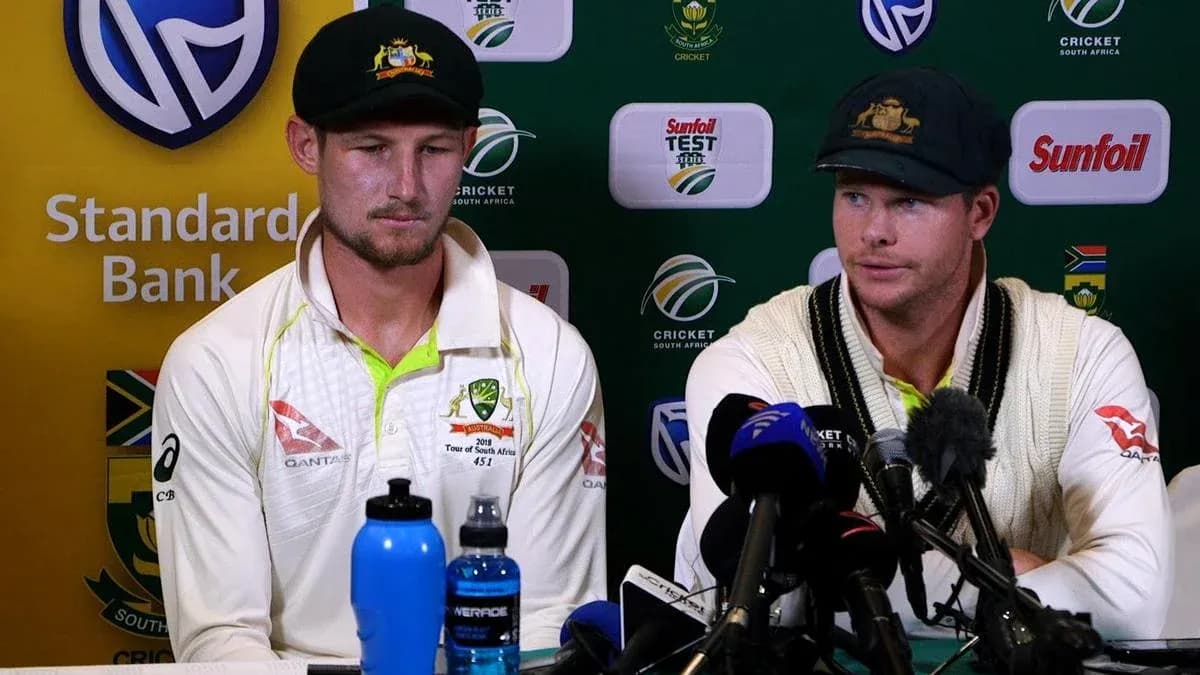
This will be Australia’s first Test tour of South Africa since Sandpapergate, a return layered with history and scrutiny. The cricket landscape has moved on; the scars have not completely faded. Several senior players know exactly what it means to walk back into Durban, Gqeberha and Cape Town in the baggy green.
The squad that drew 1–1 with Bangladesh in Darwin and Mackay has been tweaked rather than overhauled. Connolly is one of three additions, as Australia look for balance in a condensed schedule: three Tests on the back of six ODIs, with only four days between each match.
“This is a reasonably condensed three-game series, on the back of six one-day internationals, with only short breaks between each game,” Bailey said in a statement. “The squad provides balance and options for each Test and the variety of conditions we may face.”
Fast bowling depth has been bolstered with the recall of Michael Neser, the Ashes cult hero whose skill with the Dukes ball in England has long had supporters calling for more opportunities. He joins captain Pat Cummins, Mitchell Starc, Josh Hazlewood and Scott Boland in a pace unit that will almost certainly be rotated.
Bailey hinted that Boland and Neser are live chances to feature in the “Rainbow Nation” given the brutal turnaround between matches. On South African pitches that can punish tired bodies, that flexibility may prove decisive.
Spin, shuffle and selection puzzles
Behind Nathan Lyon, left-arm spinner Matthew Kuhnemann has been named as the second tweaker and could play his first Test outside the subcontinent. His inclusion suggests Australia want a different angle if conditions demand more than just Lyon’s overs of control and guile.
At the top, Matthew Renshaw keeps his place after stepping in for Jake Weatherald in Mackay, while Beau Webster survives a lean series with the bat against Bangladesh to retain his all-round option status. The faith in Webster underlines just how much Australia value multi-dimensional cricketers on tours where the XI may need to change shape from Test to Test.
The batting order, though, is anything but locked.
Bailey refused to rule out Travis Head sliding back into the middle order or Steve Smith returning to No.3, opening the door to a significant structural reshuffle if Labuschagne does not convince or if selectors decide Connolly’s time has already arrived.
“Any time you do make a move, it’s what are you taking away from where they are performing, and that’s always going to be a question, particularly around Travis,” Bailey said. Head’s success at No.5, and his impact when used at the top, makes him a central piece in every discussion about balance.
“So I think there are always going to be considerations. Steve has batted at three for a large part of his career. Hasn’t done it for a little while, and has had success there. So absolutely, that’ll be a conversation at some point.”
Those conversations now collide with the reality of Labuschagne’s form and Connolly’s rise. Something has to give.
The road ahead
Australia open the tour in Durban on October 9, move to Gqeberha for the second Test, and close in Cape Town in late October. Three matches, short gaps, high stakes.
For Cummins’ side, it is a chance to cement their status as the game’s benchmark away from home.
For Labuschagne, it is something sharper: a battle to prove that this reprieve is the start of a resurgence, not the final chapter before the reshuffle becomes permanent.
Australia Test squad for South Africa
- Pat Cummins (c)
- Scott Boland
- Alex Carey
- Cooper Connolly
- Cameron Green
- Josh Hazlewood
- Travis Head
- Josh Inglis
- Matthew Kuhnemann
- Marnus Labuschagne
- Nathan Lyon
- Michael Neser
- Matthew Renshaw
- Steve Smith
- Mitchell Starc
- Beau Webster