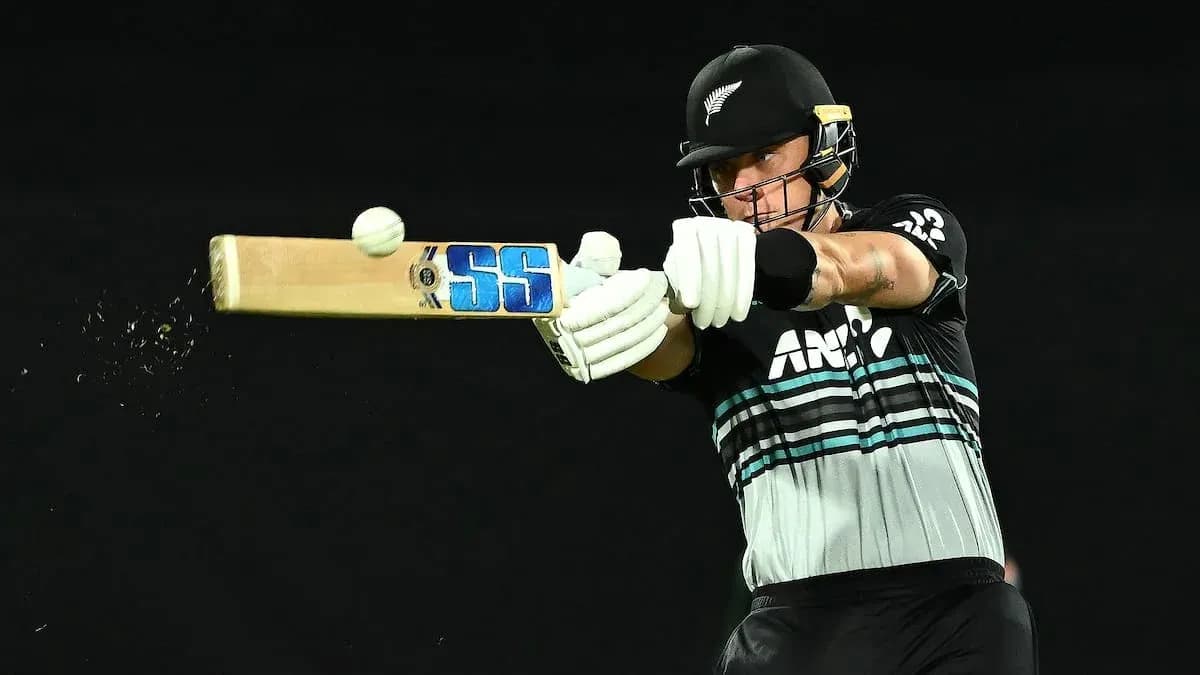
Kevin Pietersen's Spin School for England's World Cup Preparation
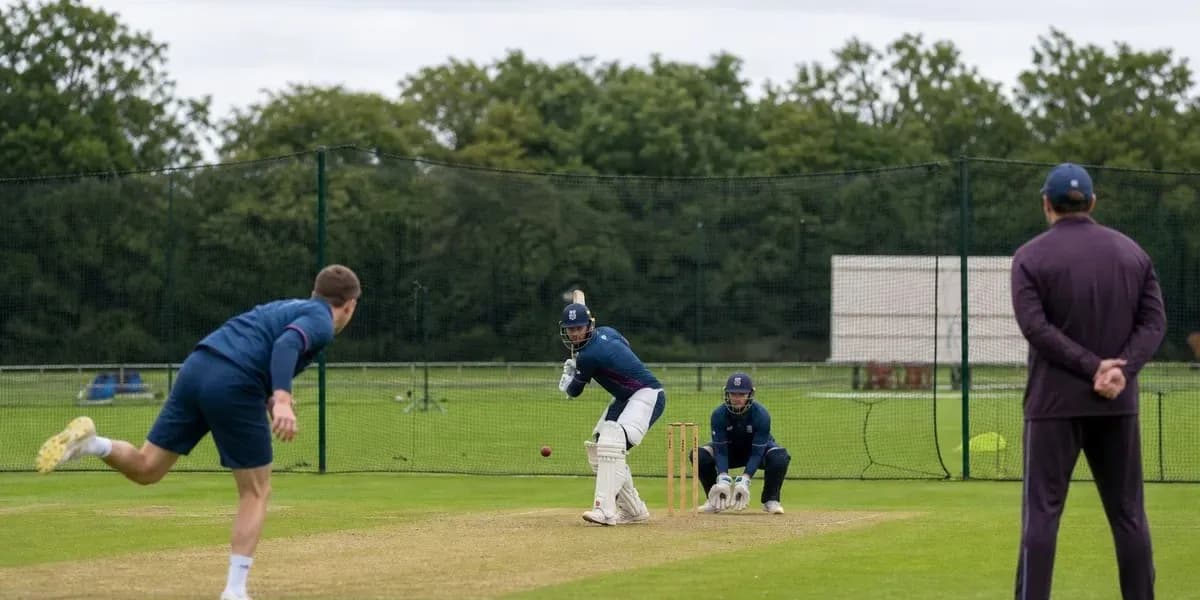
England’s white-ball cricketers are back in the classroom, and the teacher is one of their own. Kevin Pietersen, one of the most audacious batsmen the country has produced, has been drafted in to sharpen the national side’s game against spin – and the early signs are already on the scoreboard.
Appointed this month as a specialist coach for England’s limited-overs teams ahead of next year’s World Cup, the 46-year-old has wasted no time. Captain Harry Brook has been quick to hail the impact of the former star, who sits third on England’s all-time run-scoring list across formats.
Pietersen’s Spin Masterclass
Pietersen recently ran a dedicated masterclass on playing spin for the current squad, drilling into a deceptively simple idea: judging length.
According to Brook, that was the central theme of the session. Not mystery balls, not extravagant strokeplay, but reading the length early and reacting decisively. Get that right, and everything else follows – rotating the strike, breaking a bowler’s rhythm, and turning pressure back on the fielding side.
Brook was clear that this is not a cosmetic tweak. He sees this as a crucial area where England must improve, particularly in One Day Internationals. In ODIs, where spin can quietly strangle an innings in the middle overs, the ability to handle slow bowling can swing matches, even tournaments.
Learning From the Best
If you want to learn how to dominate spin, you go to the players who did it best. Brook described Pietersen as a formidable player of spin bowling and pointed to Joe Root and Marcus Trescothick as further examples within the English setup whose experience against slow bowling remains invaluable.
For a generation of current players raised on data and video analysis, there is something disarmingly old-school about standing in the nets and listening to men who have done it at the highest level explain how they picked length, how they moved their feet, how they found gaps.
England are trying to bottle that knowledge before the World Cup clock runs down.
Statement Series Against Sri Lanka
The first test of this new emphasis came quickly. Up against Sri Lanka, a side that leans heavily on its spinners, England swept the series 3-0.
That clean sweep did more than boost confidence. It pushed England above India to the top of the Twenty20 world rankings, a symbolic reminder that when their white-ball game clicks, they can set the pace globally.
The opposition and the conditions made the result especially relevant. If you want proof that the spin work is starting to bite, beating a spin-reliant Sri Lanka so comprehensively is not a bad place to start.
ODI Challenge Up Next
There is no time to linger on rankings. England now face a three-match home ODI series against Sri Lanka, starting later on Tuesday, and this is where Brook wants to see the lessons truly embedded.
He spoke of a side eager to carry the Twenty20 momentum into the longer white-ball format, to play at a higher tempo and suffocate opponents with both bat and ball. That means attacking intent, yes, but also clarity against spin in the middle overs, where so many one-day games drift or die.
England’s ambition is unapologetically bold: to become one of the best-prepared teams in the world. Brook stressed that this demands work on and off the field – technical sessions like Pietersen’s, physical conditioning, and the mental discipline to execute under pressure.
The direction, he insists, is the right one. The question now is whether this blend of old mastery and new ambition can carry England through another cycle and keep them at the sharp end of world cricket when the World Cup pressure really starts to turn.