Joe Root Responds to Khawaja's Sandpapergate Revelations
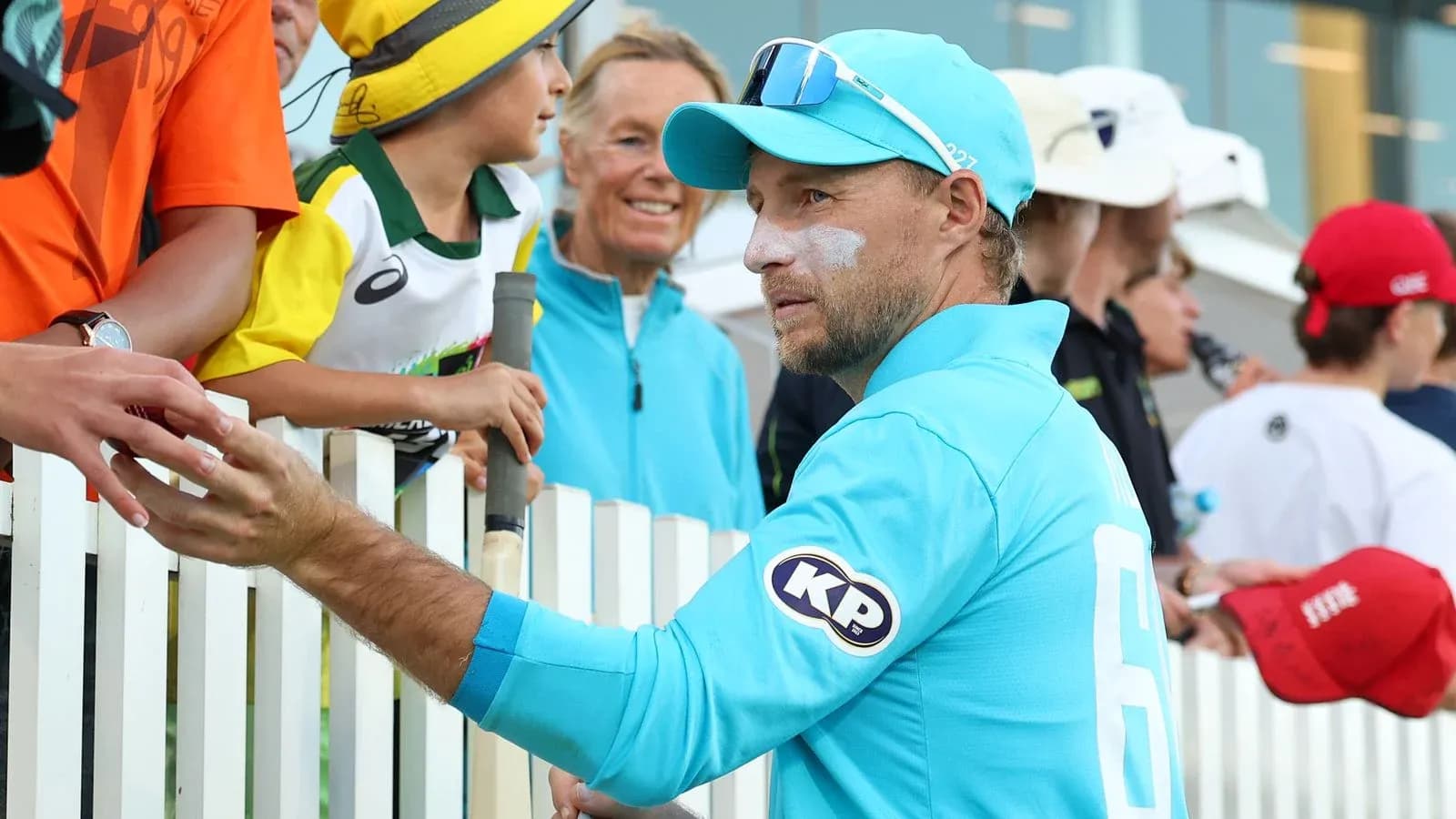
Joe Root has refused to join the growing noise around Usman Khawaja’s explosive “Sandpapergate” revelations, insisting he does not believe ball-tampering was widespread across international cricket at the time.
Khawaja, in his new autobiography “Sabr”, alleges that every member of Australia’s Test side knew about the plan to alter the ball during the 2018 Cape Town Test against South Africa. He also claims Australia experimented with lifting the seam on the ball during the 2017-18 Ashes, a series they won 4-0 under Steve Smith.
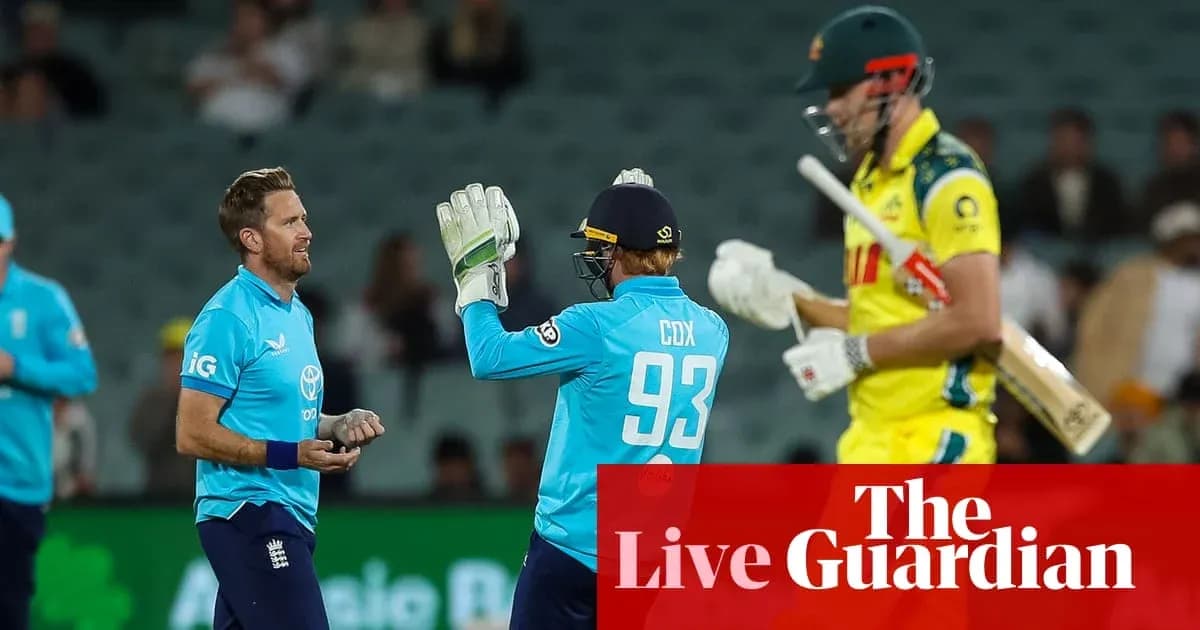
Root is in Australia preparing for a three-match ODI series that starts in Perth on Friday. Asked whether he felt ball-tampering had been rife in the global game eight years ago, the England Test captain pushed back.
“I can only speak from my own experiences, that's not how I feel,” he said, choosing his words carefully but standing firm.
Khawaja’s book has dragged one of cricket’s darkest modern scandals back into the spotlight. In Cape Town, Cameron Bancroft was caught on camera using sandpaper on the ball and was banned for nine months. Smith and David Warner, seen as central to the plot, received year-long suspensions. The images, and the fallout, reshaped Australian cricket’s public identity.
Now Khawaja has gone further, suggesting knowledge of ball manipulation stretched well beyond a rogue few. But Root wants no part in trial by autobiography.
On the specific claims about the 2017-18 Ashes, he kept his distance.
“We obviously have no idea (about it),” he said. “It's all speculation. I wasn't in that dressing room. I don't know what went on. I don't want to speculate, as I said. My focus is with this team right now and what we've got coming up.”
The England and Wales Cricket Board, approached over Khawaja’s suggestion that the ball was tampered with during that Ashes series, responded with a brief “no comment”.
Khawaja’s claims land back home
In Australia, the book has already created uncomfortable moments. Khawaja is understood to have cancelled further promotional interviews after an awkward appearance on ABC’s 7.30 programme, where the line of questioning quickly turned to Sandpapergate and the extent of dressing-room knowledge.
The timing is delicate. England are in town for ODIs and T20s, and Mitchell Marsh, Australia’s white-ball captain for the series, was part of that infamous Cape Town Test. He will face the media on Thursday and can expect a barrage of questions that have little to do with team selection or tactics.
Several of the bowlers who played in that era have already tried to draw a line under the saga. Mitchell Starc, Nathan Lyon, Pat Cummins and Josh Hazlewood issued a joint statement in 2021 denying any prior knowledge of the use of sandpaper. None of them will feature in the upcoming limited-overs matches against England.
Starc spoke again on Tuesday, once more stressing he had no awareness of the plan before it unfolded in front of the cameras in 2018.
Cummins, now Australia’s Test captain, addressed the subject on the recent tour of South Africa, where Australia lost a Test series in the country for the first time since Sandpapergate. He revealed he had already spoken to Khawaja about the book and did not feel threatened by its contents.
“He just basically gave me the heads-up that he's doing a book, and yeah, as always, no worries. Tell your story. It's fine,” Cummins told reporters.
Those words hint at a dressing room that, at least publicly, is determined to absorb the impact and move on.
No new probe on the horizon
Cricket Australia’s current chief executive, Todd Greenberg, has also tried to steady the ship. Although he was not involved with the organisation at the time of the scandal, his stance is clear: there is “no compelling reason” to reopen any investigation into what happened in 2018.
For now, the governing body is standing by the original inquiry and sanctions, even as fresh claims stir old suspicions.
Root, thousands of miles from home but never far from the Ashes narrative, has chosen to step around the trapdoor. With ODIs beginning at 3.30am UK time and T20s to follow at 8.15am, his attention is locked on white-ball business in Perth, not on relitigating a scandal that continues to shadow Australian cricket.
The questions, though, are not going away. As Marsh fronts up and Khawaja’s words keep echoing, Australia must decide how many times it can relive Cape Town before the game finally believes it has heard the full story.