Jan Frylinck's Half-Century Leads Namibia to Victory Over South Africa

Jan Frylinck lit up the Namibia Cricket Ground with a blistering half-century, and his bowlers did the rest. Backed by ruthless spells from Ruben Trumpelmann and Gerhard Erasmus, Namibia out-fought South Africa to seal an 18-run victory in the Namibia T20I Tri-Series on Friday, a result that sends the hosts to the top of the table and leaves the visitors under real pressure.
Frylinck sets the tone
South Africa won the toss, chose to bowl, and were almost immediately made to regret it.
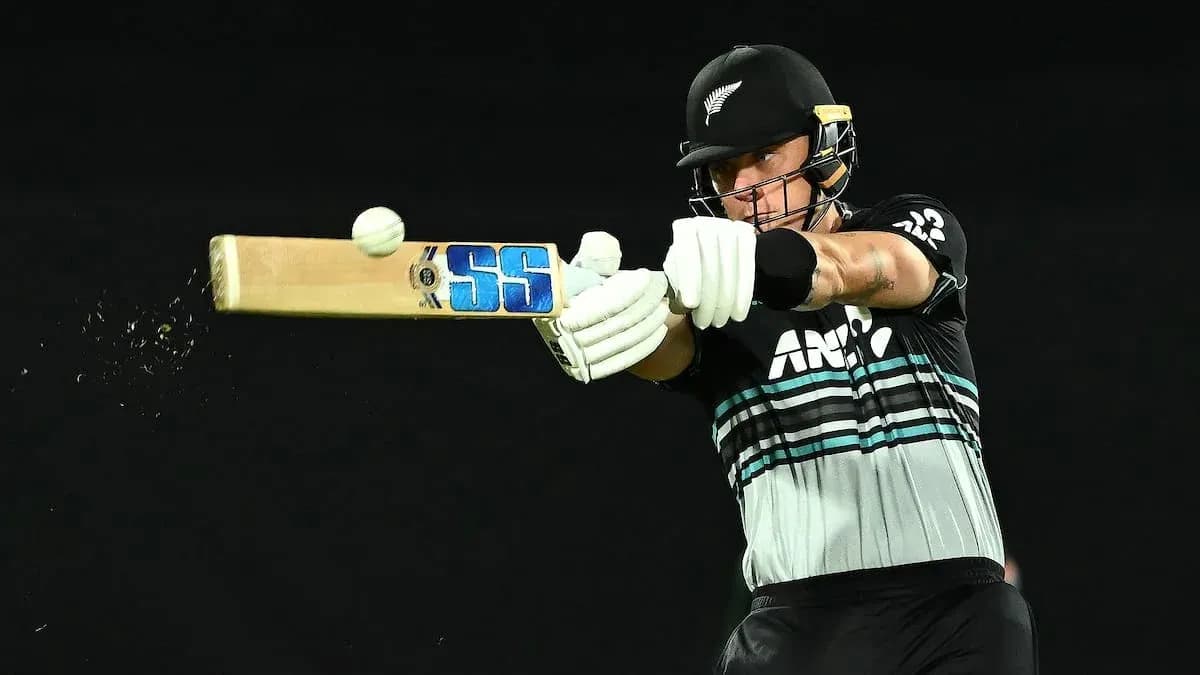
Frylinck walked out with intent and never really took a backward step. He cracked 60 off just 38 balls, peppering the boundary with six fours and two sixes, and reached his fourth T20I fifty in only 36 deliveries. It wasn’t just the runs; it was the way he seized control of the powerplay, dictating terms to a South African attack that repeatedly missed its lengths.
At the other end, Louren Steenkamp played the perfect foil. His 41 from 29 balls kept the pressure on, the pair stitching together a commanding 84-run opening stand that left South Africa scrambling for answers. Every loose ball disappeared. Every attempt to squeeze the scoring was brushed aside.
The dismissal, when it came, carried a hint of greed but also of dominance. Frylinck, having already launched Dewald Brevis for back-to-back sixes, went hunting for a third. This time he miscued, and Nqobani Mokoena held his nerve in the deep. The part-time leg-spinner had his man, but the damage was done.
Once the openers departed, Namibia’s innings lost its rhythm. Wickets fell regularly, the middle order unable to fully cash in on the platform. The hosts stumbled rather than surged to 163 for 9 in their 20 overs. It was a competitive total, not a crushing one, but on a surface that rewarded discipline, it always felt like a score that needed a smart chase.
South Africa never quite found it.
Brevis fights alone
If Frylinck owned the first half of the evening, Brevis did everything he could to claim the second.
Walking in at No 3 with early wickets already unsettling the reply, he produced a classy 75 off 50 balls, laced with four fours and five towering sixes. He rotated the strike when he could, punished anything short or overpitched, and kept the chase alive almost single-handedly.
That was the problem, though. He stood almost alone.
South Africa’s top order choked under Namibia’s discipline. Lhuan-dre Pretorius and Jordan Hermann, starved of boundaries, were forced into high-risk strokes just to break the shackles. Both perished trying to clear the ropes after a miserly opening burst had yielded only a single boundary in the first six overs.
The message from Namibia’s bowlers was clear: hit a length, hit it again, and let the scoreboard squeeze do the rest.
Brevis refused to fold. He found a willing partner in Duan Jansen, and their 47-run stand for the sixth wicket briefly tilted the contest back towards the visitors. Jansen’s unbeaten 25 from 17 balls added urgency, but the required rate never quite relented.
Then came the decisive moment.
With South Africa still clinging to hope in the 18th over, Trumpelmann pushed a full toss through. Brevis swung hard, looking for yet another boundary, but only managed a top edge that flew to short third. The catch was taken, the air went out of South Africa’s chase, and with it went their last realistic chance.
Only Rubin Hermann joined Brevis and Jansen in double figures. A chase that had threatened to ignite finished spluttering at 145 for 9.
Namibia’s bowlers close it out
If Frylinck gave Namibia the score, Trumpelmann and Erasmus showed them how to defend it.
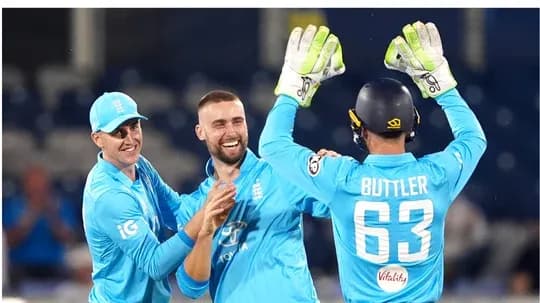
Trumpelmann led the attack with the kind of left-arm hostility that has become his trademark. He finished with 3 for 24 from his four overs, mixing sharp changes of pace with clever angles and refusing to give South Africa any easy scoring options.
JJ Smit matched his wicket tally, taking 3 for 31. He struck at key moments, ensuring that any flicker of a South African rebuild was quickly doused. The pair hunted in tandem, backed by sharp fielding and a captain who read the flow of the game with clarity.
Erasmus himself turned the screw with the ball. His two overs cost just seven runs, and he chipped in with a wicket, choking the middle overs and forcing South Africa into ever-riskier strokes. It was smart, unfussy captaincy bowling: just enough turn, relentless accuracy, no freebies.
By the time the final over arrived, Namibia were not hanging on. They were in control.
Table turns, pressure rises
The win lifts Namibia to the summit of the three-team Tri-Series, a statement of intent on home soil and a reminder that they are no longer content to play the plucky underdog.
South Africa, by contrast, are staring at a demanding road ahead. Three group matches remain, starting with Zimbabwe on Saturday afternoon, and suddenly there is no margin for error.
They have seen exactly what is required in these conditions. The question now is whether they can match Namibia’s clarity, composure, and courage when the next challenge arrives.