Issy Wong Sparks England's Fightback Against Ireland
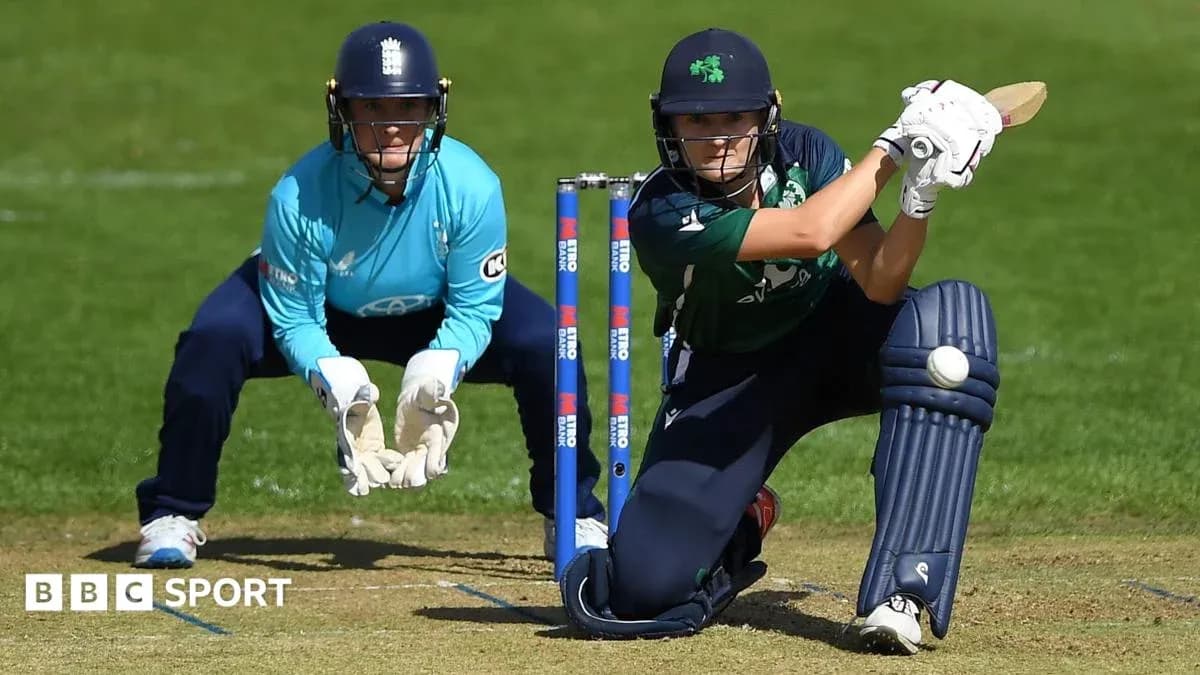
For a long stretch, Ireland’s innings looked serene, almost too easy. Gaby Lewis and Orla Prendergast were cruising, the scoreboard ticking, England’s bowlers searching for rhythm and answers. Then Issy Wong found both.
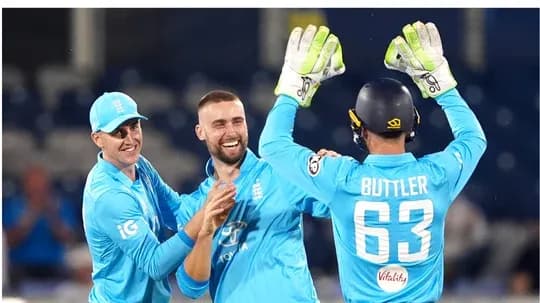
Running in with a change of ends that had been loudly called for on commentary, Wong finally snapped Ireland’s grip on the game. Lewis, set on 69 and looking immovable, saw her off stump flattened by a ball with just enough fizz and nip to sneak through bat and pad. Timber everywhere. Wong in mid-pitch, leaping, roaring. Ireland 149-2, and suddenly the mood had changed.
Up to that point, Lewis had been the anchor, the innings built around her composure. England had looked ragged at times, their lines loose, their plans fraying. Wong’s earlier spell had mirrored that, too many wayward deliveries, too many freebies. The switch of ends mattered. The run-up looked smoother, the action more controlled, and with Lewis’ dismissal, the whole England side seemed to stand a little taller.
That wicket arrived at a crucial juncture. Orla Prendergast, such a dangerous presence, was still on nought, being kept quiet by a noticeably sharper Wong. England finally had an opening. They had an “in”, as Kirstie Gordon put it on BBC Radio 5 Sports Extra, and they knew exactly how much damage Prendergast could inflict if they let her settle.
They didn’t.
Mady Villiers had been threatening all day without reward, ripping the ball harder than any other England spinner. The numbers told the story: Villiers getting 2.8 degrees of spin, ahead of Tilly Corteen-Coleman’s 2.2 and Charlie Dean’s 2.0. This wasn’t just about turn, though. One in every four balls from Villiers was honing in on the stumps, dragging the batters into a constant decision: defend, attack, or risk missing altogether.
Eventually, that pressure told – in the scruffiest way possible.
Villiers dragged one down, the sort of ball that usually has bowlers wincing before it even reaches the batter. Prendergast, timing the ball beautifully all afternoon, went hard. She struck it so cleanly that instead of dying in the deep, it carried all the way to Maia Bouchier at deep mid-wicket. Bouchier had ground to make, tumbling to her right to cling on to a genuinely good catch. The ugliness of the delivery, the purity of the strike, the quality of the grab – it all combined into a huge moment. Prendergast gone for 19. Ireland 172-3, the door now half-open.
Katherine Sciver-Brunt, watching on BBC Radio 5 Sports Extra, called it perfectly: Prendergast’s downfall came from how well she hit it. A horrible drag-down, punished so sweetly that it turned into a chance. Fine margins, ruthless execution.
Villiers’ spell deserved that reward. She had been the most dangerous spinner on show, not just on the numbers but in the way she kept asking questions. Even in the field she refused to let standards drop, sprawling full length to her right to prevent a boundary off the final ball of her over. Those are the moments teammates notice. The sort of effort that tightens a side’s body language and drags everyone into the contest.
Ireland still kept the board moving. At 165-2, they cashed in again as Corteen-Coleman struggled for control. With a packed off-side field set, she pushed one too wide and was punished with four more. To make it worse, it was also called a no-ball. On a day when England’s discipline ebbed and flowed, that delivery summed up Corteen-Coleman’s outing: loose, expensive, and constantly under pressure.
Behind the stumps, though, there was a very different story unfolding.
Alice Capsey, in just her second professional match as a wicketkeeper at any level, stood up to the stumps for Wong and looked like she had been doing it for years. One rising ball leapt at her near shoulder height; she took it cleanly, soft hands, no fuss. It was the sort of take that earns instant respect from seamers. Those around the England camp had been saying at the start of the summer that Capsey could genuinely take on the keeping role. On this evidence, that talk had substance.
Her presence allowed England to keep the pressure on, cutting down the batters’ room to manoeuvre, turning half-chances into possibilities. In a game where the margins were tightening, that mattered as much as any boundary saved.
Rebecca Stokell arrived with Ireland 174-3, missing her first drive but getting off the mark second ball. A small detail, but it underlined the shift in tempo. Earlier, Ireland’s batters had been gliding from ball one. Now, even new arrivals needed a moment to breathe.
By then, the pattern of the innings was clear. Ireland had built a powerful platform, but England had finally found their bite. Wong’s breakthrough, Villiers’ relentless spin and eventual reward, Capsey’s sharp keeping, Bouchier’s athletic catch, even the sprawling stop on the rope – they all fed into a late surge of belief.
The question now is simple: was this just a spirited fightback in a lost cause, or the spell that drags England back into a contest that once looked to be slipping away?