India's Women Secure Eighth Asia Cup Title Amid Controversy
India’s women cricketers climbed another peak on Sunday, sealing a record eighth Asia Cup title with a commanding 72‑run win over Sri Lanka in Dubai. On any other night, the story would have ended with a lap of honour, a glittering trophy, and a familiar image of champions posing under confetti.
Instead, the defining picture was the one that never happened.
The Indian players did not walk out for the official trophy presentation with Asian Cricket Council chief Mohsin Naqvi – who also serves as Pakistan’s interior minister and chairman of the Pakistan Cricket Board – pointedly absent from their celebratory script. The trophy, yes. The ceremony with Naqvi, no.
It was a scene that felt oddly familiar.
A year earlier, at the 2025 Asia Cup, Suryakumar Yadav’s India had made the same call, refusing to receive the men’s trophy from Naqvi. That decision sparked a storm. This one has done the same.
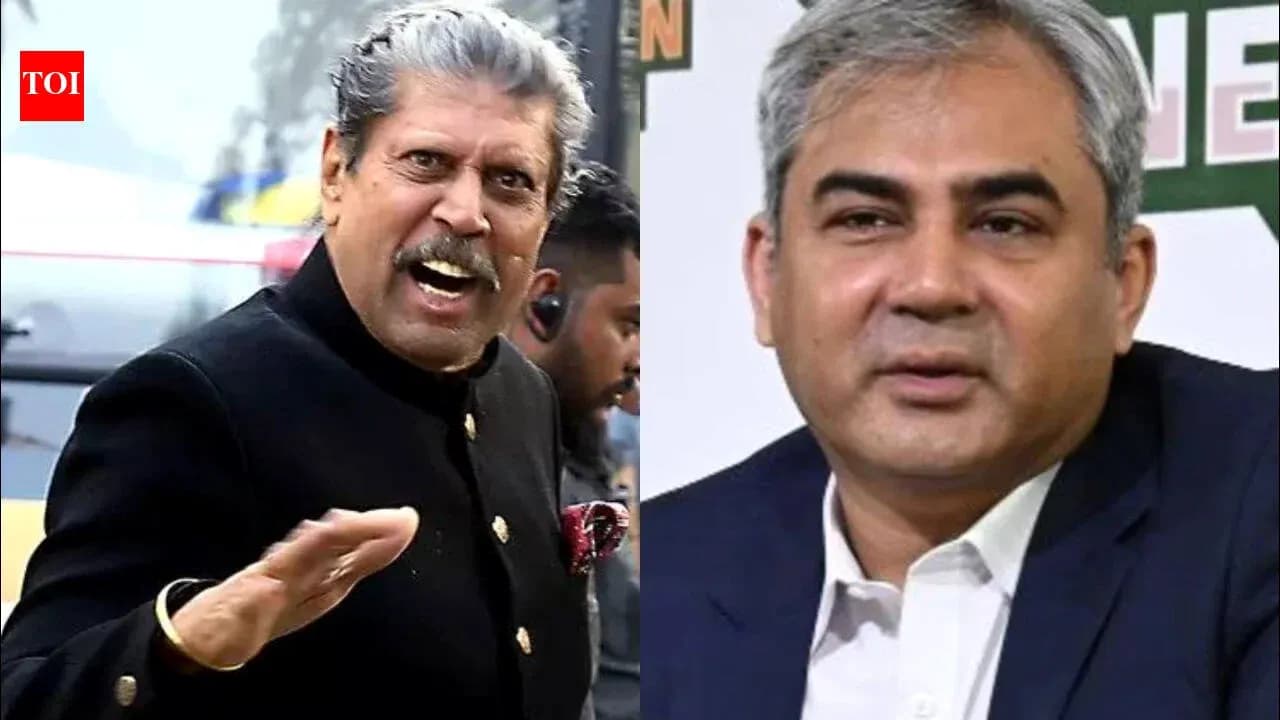
Into that storm stepped Kapil Dev, with the sort of dry, cutting humour only a man of his stature can get away with. Asked about the women’s team declining to receive the trophy from the PCB chief, the former India captain chose not to launch into a lecture or a political dissection.
“Tell all of them to play golf,” he told news agency ANI.
One line. No elaboration. Vintage Kapil – a quip that said everything and nothing at once, and instantly added another layer to an already charged episode.
Behind the scenes, though, there was nothing spontaneous about India’s stance.
‘We had already clarified our stance’
BCCI secretary Devajit Saikia laid out the board’s position in clear terms, stressing that this was no emotional, on-the-spot protest by the players but a pre‑decided institutional stand.
“Winning the trophy is one thing, but winning the tournament is what truly matters. The issue regarding the trophy, which created a controversy, did not stem from our side,” Saikia told ANI, underlining that the flashpoint came from the presentation protocol, not from India’s dressing room.
According to him, the BCCI had informed the organisers of its position well before the ceremony. This, he said, was rooted in what the board “faced last year regarding the Asian Games – a matter known to the entire nation.”
The message to the Asian Cricket Council and Naqvi, as Saikia described it, could not have been clearer: India would not take part in a prize distribution conducted in the proposed format.
“We had stated beforehand that we did not approve the manner in which they had planned the prize distribution ceremony. We informed their chairman that if they proceeded with that specific system, we would not participate,” he said.
The organisers did not change their plans. India did not change its stand.
“Since they did not agree, we chose not to accept the trophy in that manner; we will collect it later,” Saikia added.
The players, fresh from a dominant win in a continental final, stayed aligned with that call. The cricket had been ruthless; the politics around the podium, equally uncompromising.
‘We act as one’
With the images of an absent Indian team during the trophy handover looping across screens and social media, questions quickly surfaced: Was this a player-led boycott? A dressing-room revolt? A rift with the board?
Saikia moved quickly to shut that down.
“This was entirely the BCCI’s decision. We had discussed everything internally, and the BCCI’s stance remains consistent with what it was previously,” he said, stressing that there was no split between administrators and athletes.
“Whether it concerns the players, the team, or the BCCI officials, we are all united; there is no divergence between the players’ decisions and the BCCI’s decisions. We act as one. Whatever decision is taken, we proceed in accordance with the BCCI’s established policies.”
The board, in other words, owned the decision and the optics that came with it.
A trophy, a statement, and a lingering question
On the field, India were clinical. A 72‑run win in a regional final is a statement of dominance in any era, in any format. An eighth Asia Cup title only hardens their grip on the women’s game in the continent.
Off the field, the statement carried a different weight.
Two Asia Cups in two years. Two Indian teams. The same refusal to receive a trophy from the same man. A public, repeated rejection of a ceremonial moment that cricket usually treats as sacrosanct.
Kapil Dev chose to deflect with a joke about golf. The BCCI chose to double down on policy and precedent. The players chose to follow the line laid down for them.
The Asia Cup will sit in India’s cabinet soon enough. The image of how – and from whom – it was, or was not, received will linger far longer.