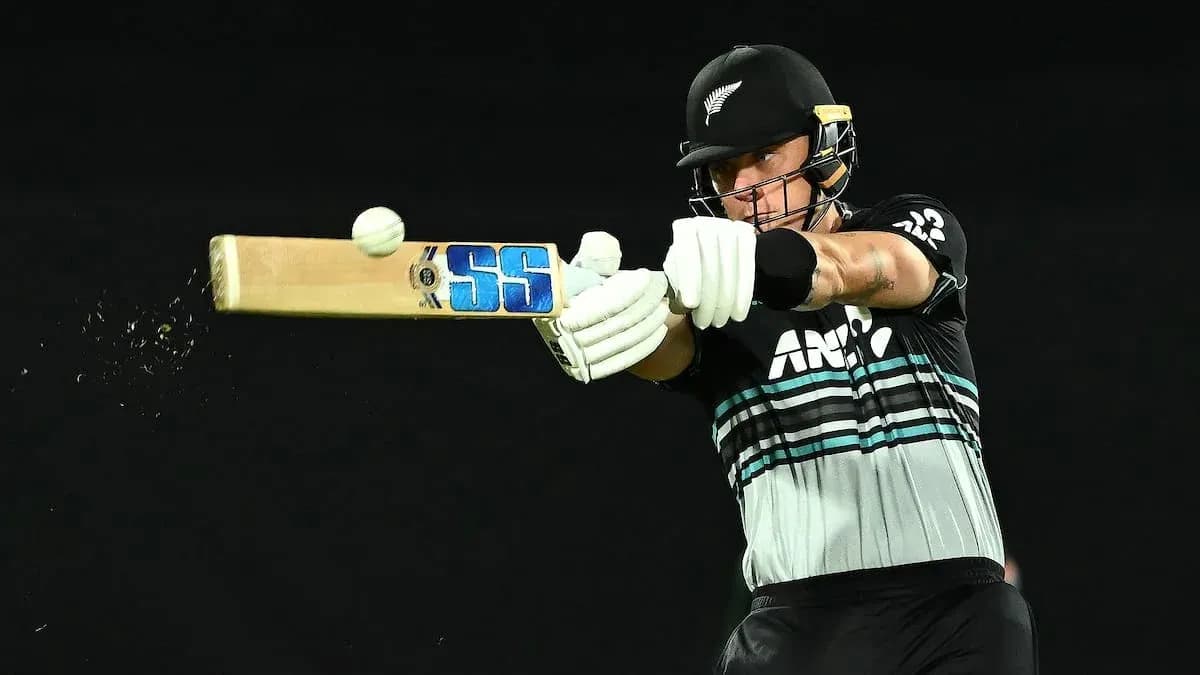
India’s T20 Malaise: From National Passion to Background Noise
There was a time when an India match meant empty streets, packed living rooms and television sets blaring from every second window. Cricket didn’t just dominate the day; it dictated it. Work ended early, plans were rescheduled, and life bent around the fixture list.
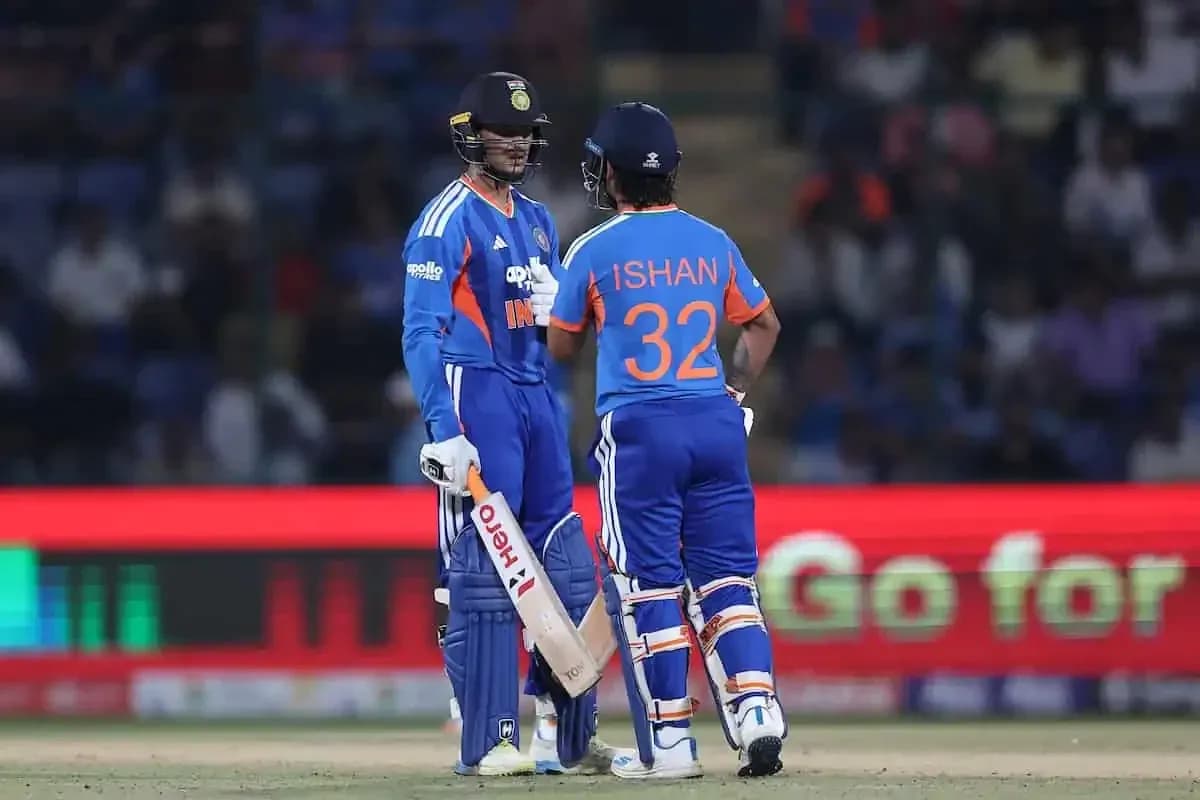
Today, India played Afghanistan in a T20 international. Many regular followers of the sport barely noticed.
India cruised to a seven-wicket win with almost seven overs to spare, a margin that screams dominance on the scorecard. Yet the game slipped by with all the noise of a midweek net session. Social media barely stirred. Debates that once raged for days after a routine bilateral game never even sparked.
The disconnect is real.
A Flat Occasion, A Comfortable Win
On the field, India did what India usually does in these bilateral T20s: they controlled the contest, absorbed what little pressure came their way and finished the chase with time to spare. Afghanistan, spirited but outgunned, could not stretch the game into anything resembling a thriller.
Under normal circumstances, such a one-sided win might still have drawn interest simply because it was India. Not this time. The game felt like content, not an event.
The absence of two towering figures hangs over it all. Virat Kohli and Rohit Sharma, who have stepped away from T20 and Test cricket, once turned even routine fixtures into must-watch theatre. Their presence guaranteed narrative: a chase to script, a milestone to chase, a rivalry to stoke. Without them, the Indian T20 side looks more like a project than a spectacle.
Too Much Cricket, Too Little Spark
There is another problem, and it has nothing to do with Afghanistan. There is just too much cricket.
Series bleed into each other. Tours overlap. One white-ball contest is followed by another, and another, until even the most devoted viewer struggles to remember who played whom last week. When every game is televised, streamed and clipped, very few feel special.
This India–Afghanistan T20 was a victim of that overload. No build-up, no edge, no sense of occasion. Just another match in a swollen calendar, dropped into a market already saturated with cricket.
The result? Anticipation has thinned out. Engagement has cooled. What used to feel like a national event now risks becoming background programming.
A Warning for What Comes Next
The worry for Indian cricket is not that one low-key T20 failed to trend. It is what this apathy might signal for the future.
If fans are already drifting away from bilateral series against so-called smaller teams, what happens as more such tours are squeezed into an already crowded schedule? How long before even a strong Indian performance fails to cut through the noise?
India can still dominate on the field, as they did against Afghanistan. The question is whether that dominance will keep mattering if fewer people are watching.