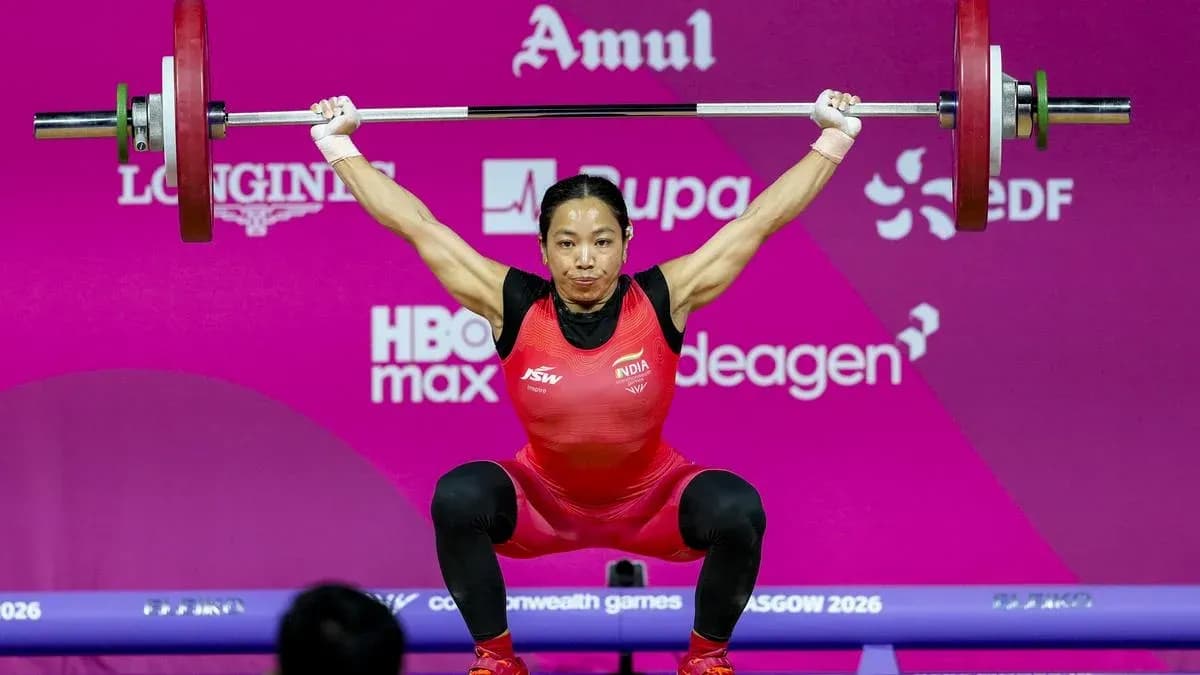
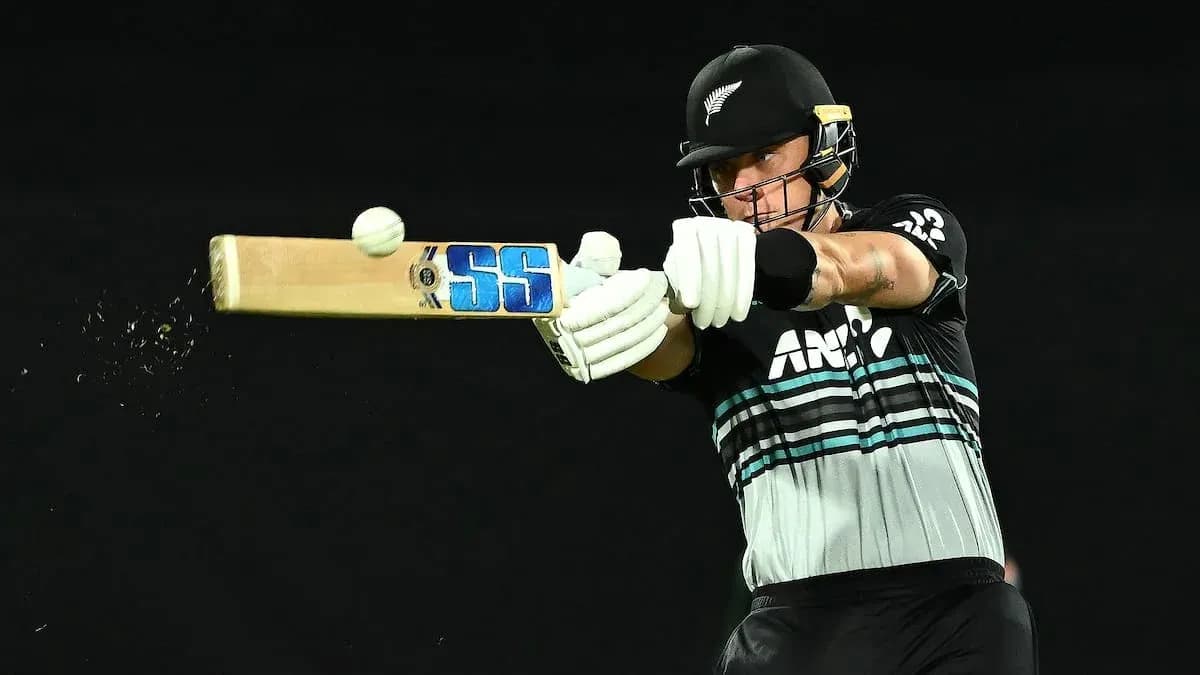
India Women's Team Faces Trophy Dilemma at Asia Cup Final

The Asia Cup trophy is back at the heart of a storm. This time, it’s the Indian women’s team walking into the eye of it.
According to a Geo Super report, PCB chairman Mohsin Naqvi is set to attend the Women’s Asia Cup final on September 13 as the chief guest for the closing ceremony. That puts him, once again, a handshake away from a podium that has already burned him once.
A familiar flashpoint
If India reach the final as expected — Harmanpreet Kaur’s side are unbeaten and already into the semi-finals — the script writes itself. Naqvi in the presentation party, trophy in hand. India, overwhelming favourites for the title. Cameras trained not just on the winning team, but on the few seconds that will decide whether cricket’s most awkward trophy saga gets a sequel.
Last year, the men’s Asia Cup final between India and Pakistan ended in a convincing Indian win. The cricket was straightforward. What followed was anything but.
As the players waited for the formalities, the post-match presentation stalled. The delay stretched beyond an hour, all because of one unresolved question: who would hand India the trophy? Naqvi, then too in attendance, stood at the centre of the standoff.
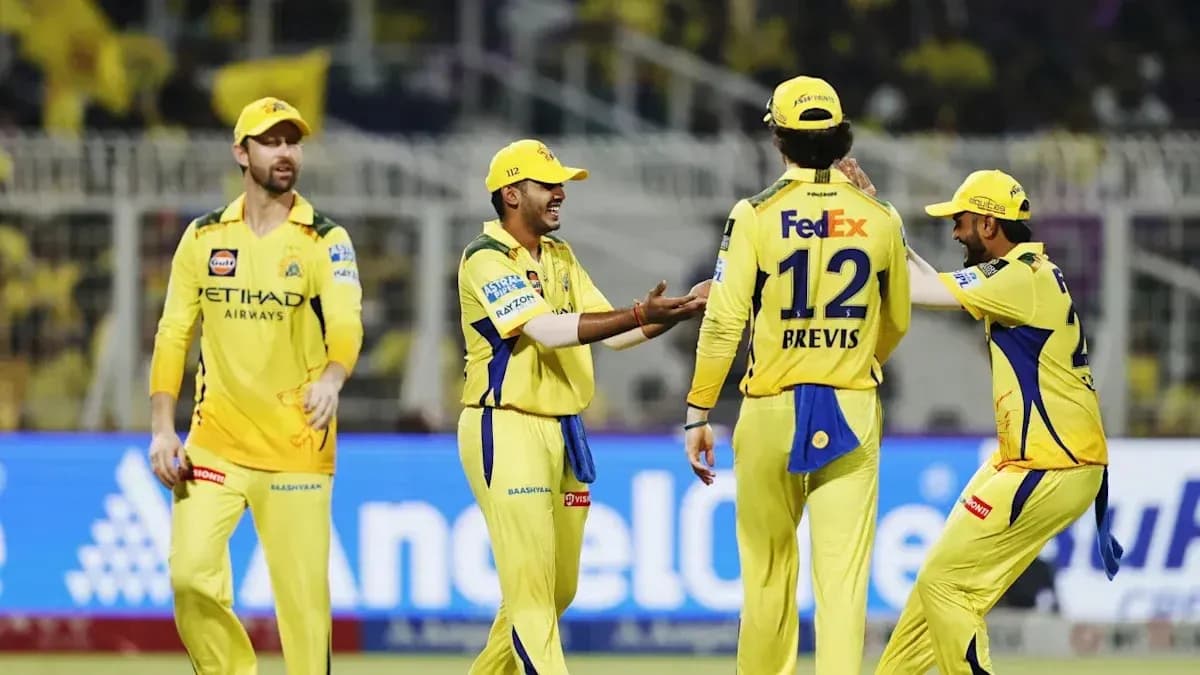
India made their position clear. The Suryakumar Yadav-led side celebrated on the podium, but refused to accept the silverware from Naqvi. The images went around the world: champions without a trophy, a title without a lift. The cup itself never reached Indian hands and, as things stand, still sits in the ACC office in Dubai.
Trophy, politics and a silent board
Now the scene threatens to replay, only with the women’s team in the spotlight.
With Naqvi again expected to be part of the ceremony, the decision could fall squarely on Harmanpreet Kaur and her players: accept the Asia Cup from the PCB chairman, or repeat the stand taken by their male counterparts. The BCCI, for now, has kept its counsel. There has been no public indication of how the board expects the women’s team to respond if they go all the way and find Naqvi waiting at the presentation steps.
The stakes are not just symbolic. The women’s side have dominated this tournament. India opened their campaign with a win over Thailand, then brushed aside Hong Kong, and produced a ruthless performance against Pakistan in Dubai, skittling Fatima Sana’s team for just 55 and cruising to a seven-wicket victory. They have not dropped a game on their way to the last four.
In the middle of that run, Smriti Mandhana etched her name into history, becoming the leading run-scorer in women’s internationals and surpassing Mithali Raj — a landmark that underlines just how heavyweight this Indian side is.
A final with an edge
All of which turns the final, and the presentation that follows it, into something more than a ceremonial ending. It becomes a test of resolve, of consistency, of where India’s players and administrators draw their lines.
Naqvi, as chief guest, will almost certainly be front and centre when the silverware comes out. If India lift the trophy on the field, the real drama may not unfold until the medals are done, the speeches are over, and that gleaming cup is held out towards the champions.
Last year, India walked away as winners without a trophy in their hands.
If history offers them the same choice again, what do they do this time?