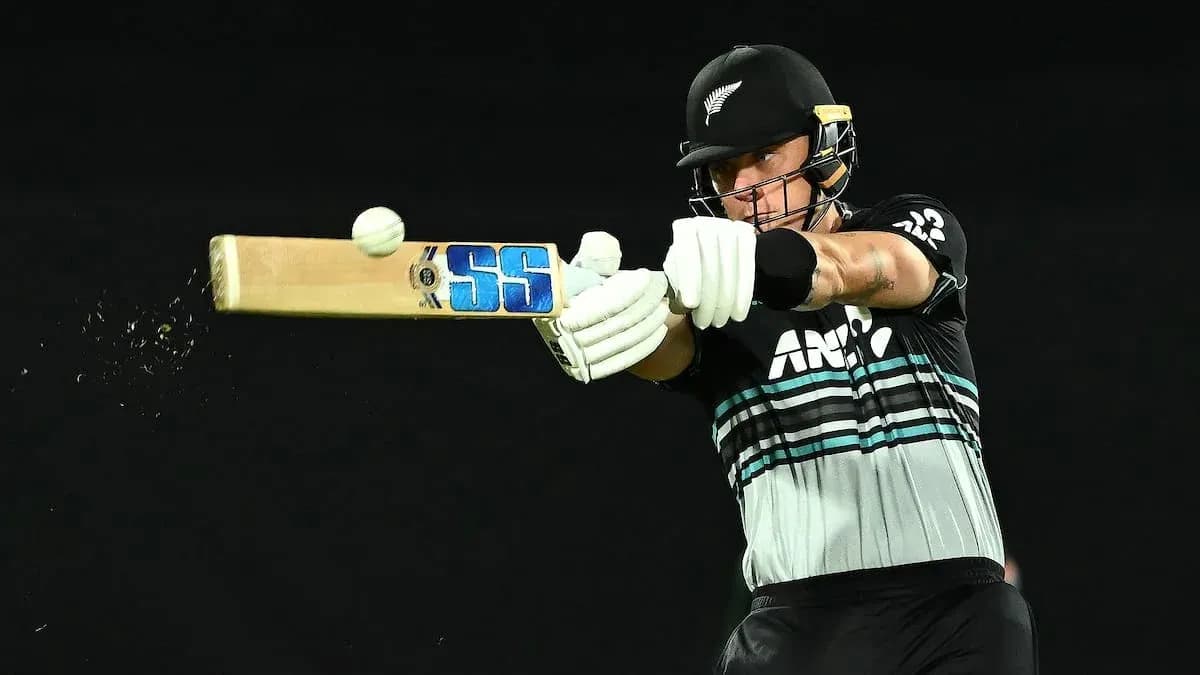
India vs Pakistan: A Rivalry Rekindled at Dubai International Cricket Stadium
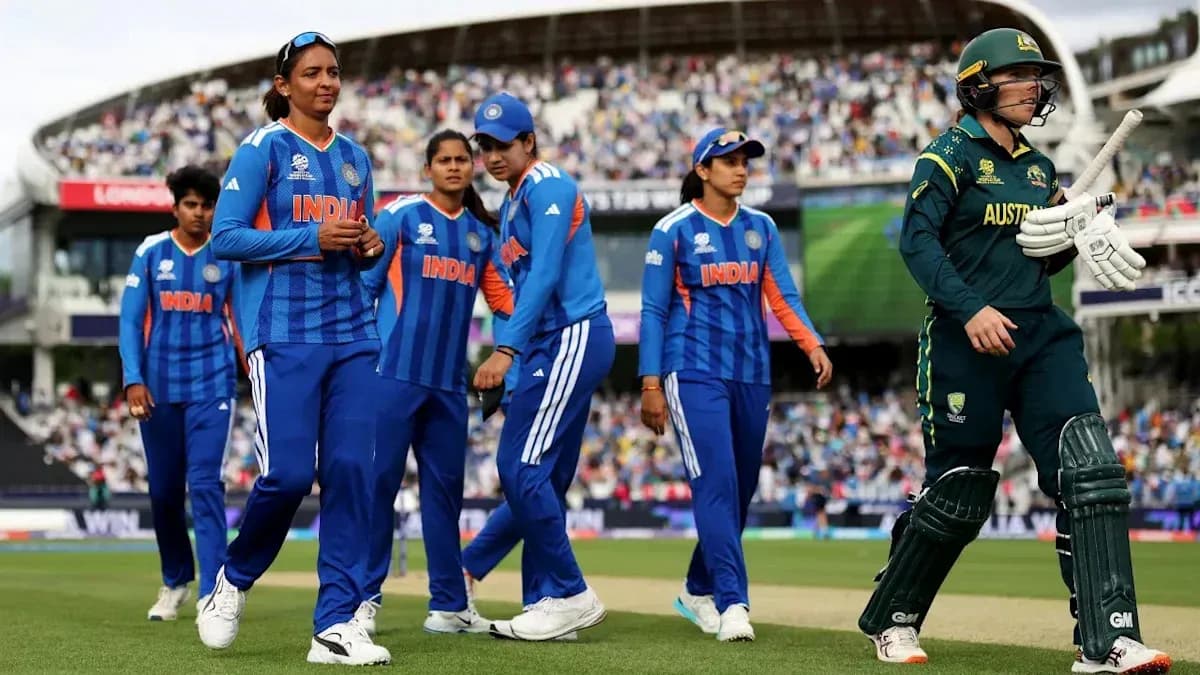
India and Pakistan return to familiar, unforgiving ground on September 5, when the latest chapter of their rivalry unfolds at the Dubai International Cricket Stadium in the Women's Asia Cup 2026 group stage.
The venue knows them well. It hosted every match of the 2024 Women's T20 World Cup and now stages all 15 games of this Asia Cup, a continuous run that has turned Dubai Sports City into the centre of the women’s T20I game. It was here, in October 2024, that India brushed aside Pakistan by six wickets. It was here, too, that Pakistan slumped to the lowest women’s T20I total the ground has seen.
India, by contrast, owns the highest. That split in the record books neatly mirrors the gulf that has often appeared between the sides in these conditions.
A ground shaped by the chase
Nineteen women’s T20Is have been played at Dubai International Cricket Stadium. Most came during that 2024 World Cup and the 2023 bilateral series between Namibia and UAE, a steady stream of cricket that has revealed the ground’s quirks.
One pattern stands out. Teams chasing have won 11 of those 19 matches. The explanation sits in the night air.
Dew rolls in, settles on the outfield, and slickens the ball. Bowlers struggle to grip their variations, especially the spinners who usually dominate the middle overs. Targets that look imposing at the halfway mark can quickly feel light once the ball starts skidding on.
Captains know it. Win the toss here, and the temptation to chase is immense.
A modern arena with an old-school edge
Dubai International Cricket Stadium holds around 25,000 spectators, a compact but intense bowl dropped into the heart of Dubai Sports City. Built in 2009, it doubles as the permanent home of the ICC’s headquarters, yet it has never felt like a sterile office ground.
The floodlights are unforgiving. The surface, even more so.
The pitch starts with a bit of bounce for the quicker bowlers. New-ball spells can be lively, but genuine swing is rare. The real shift comes as the innings wears on. As the surface dries, the ball grips. Spinners take control. Across all T20Is here, slow bowlers have claimed more wickets than the quicks, and that trend holds firm in the women’s game.
Then the dew arrives and flips the script. Spinners who dominated the first innings can look ordinary in the second, their fingers slipping on a ball that refuses to behave. That 11–8 record in favour of chasing sides tells the story better than any theory.
Chasing records and rewriting them
The highest successful chase in women’s T20Is at this ground belongs to West Indies. During the 2024 Women’s T20 World Cup, they hauled in England Women’s 141, a total that looked competitive until Hailey Matthews and Qiana Joseph dismantled it with two commanding half-centuries.
It was a classic Dubai pursuit: a tricky score on paper, made to look manageable once batters trusted the pace of the pitch and the dew took hold.
If West Indies own the signature chase, India own the scoreboard.
India Women’s 193 for 5 against Hong Kong in this very Asia Cup stands as the highest team total at the venue. Smriti Mandhana’s 124 off 64 balls powered that innings, a masterclass that blew past India’s own previous record here — 172 for 3, set during the 2024 World Cup.
Two highest totals. Same team. Same ground. Same left-hander at the heart of it.
Mandhana’s domain
No batter has scored more women’s T20I runs at Dubai than Smriti Mandhana. She sits on 212 runs from five matches, with one hundred, one fifty, and an average of 42.40. It is not just volume; it is dominance.
Her nearest challenger, South Africa’s Laura Wolvaardt, has 181 runs from five innings at an average of 45.25, a figure that underlines her class but still leaves her chasing Mandhana’s imprint on this stadium.
With Pakistan next on the schedule, Mandhana has the chance to stretch that lead further. The ground already feels like her stage; every extra innings here only tightens her grip on it.
Her 124 against Hong Kong remains the highest individual score in women’s T20Is at Dubai, and she is still the only centurion in the format at this venue. The next best is Anneke Bosch’s unbeaten 74 for South Africa Women, a fine innings that still sits a tier below Mandhana’s assault.
Spin, sting, and a seven-for
If Mandhana has carved out the batting landmarks, the bowlers’ records tell a different, equally striking story.
South Africa’s Nonkululeko Mlaba leads the wicket charts at Dubai with 11 scalps in five innings. Her best figures, 4 for 29 against West Indies during the 2024 Women’s T20 World Cup, summed up the role of a high-class spinner on this surface: relentless, accurate, and ruthless once the pitch starts to bite.
Yet even Mlaba’s consistency bows to one extraordinary performance.
Sri Lanka’s Chamari Athapaththu owns the best bowling figures in women’s T20Is at the stadium — a scarcely believable 7 for 5 against India Women on September 2 in this Asia Cup. Seven wickets. Five runs. On this ground. Against this batting unit.
That spell has already entered Dubai folklore and has dragged Athapaththu to within two wickets of Mlaba’s overall record at the venue. One more outing like that, and the leaderboard will change again.
The stage for India vs Pakistan
All of that history now feeds into one fixture.
Pakistan arrive with the scars of the lowest total recorded by a women’s side at this ground, a reminder of how quickly Dubai can turn brutal when conditions and nerves collide. India walk in holding the highest total, the top two scores, the leading run-scorer, and the only centurion.
The numbers lean heavily one way. The rivalry rarely does.
Under lights, with dew looming and spin waiting to dictate terms, the Dubai International Cricket Stadium will not just host India vs Pakistan. It will shape it.
On a ground that remembers everything, which story gets rewritten next?