Impact of 2023 Decision on 2027 Ashes Test Locations
The north of England’s Ashes exile in 2027 can be traced back to a single decision: a switch quietly made for the 2023 series that is now reshaping the map of English Test cricket.
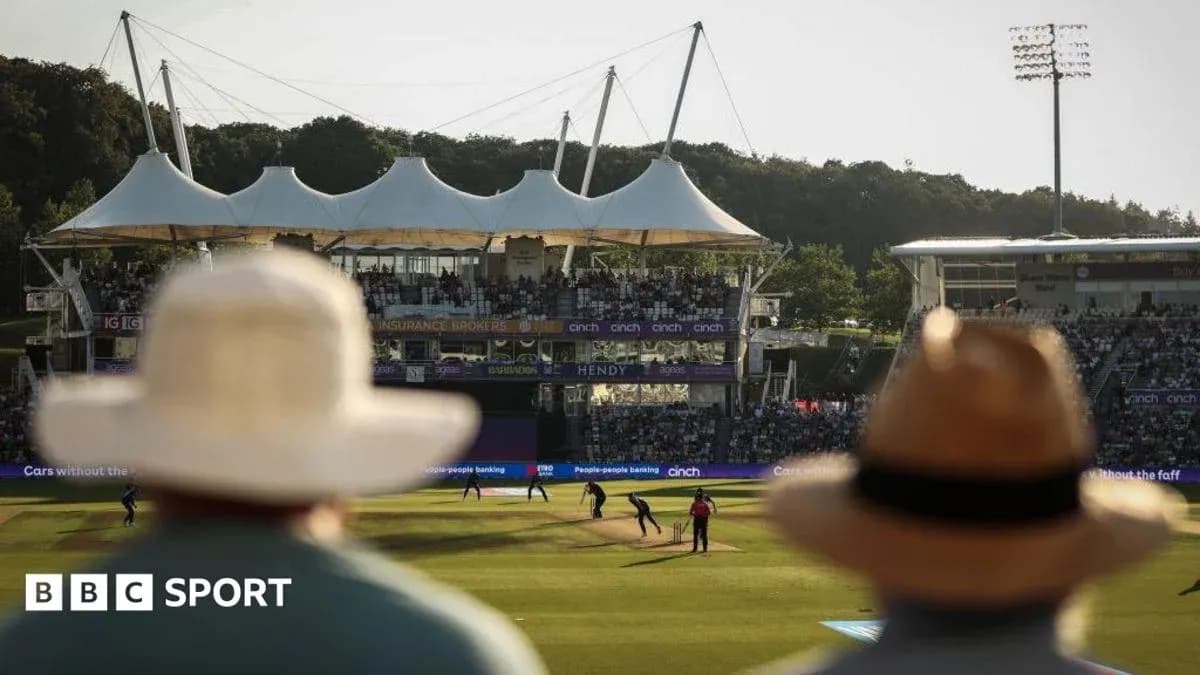
In 2027, for the first time in generations, there will be no men’s Ashes Test at either Old Trafford or Headingley. Instead, the south coast takes centre stage. Southampton’s Ageas Bowl will host an Ashes Test for the first time next year, and has already been guaranteed a place in the 2027 series.
That did not happen by accident.
A switch that changed the future
As first revealed by the Guardian, Southampton had originally been lined up to host Australia in 2023. The venue missed out when the match was moved to Headingley, a ground steeped in Ashes lore and a familiar stop on any Australian tour.
The price of that late change was high. Hampshire were paid more than £1m in compensation by the England and Wales Cricket Board and, crucially, were then awarded a men’s Ashes Test in 2027. The knock-on effect is stark: with Southampton locked in, there was no room for a northern venue in that series.
Neither Hampshire nor the ECB have offered any public explanation. The silence only underlines how significant that 2023 reshuffle has become.
Graves, Headingley and old loyalties
The backdrop to all this stretches back to 2018, when the ECB first announced the 2023 Ashes venues. Colin Graves was ECB chair at the time. He is now Yorkshire chair and previously held the same role at Headingley, a web of connections that naturally invites scrutiny.
Graves has insisted he played no part in deciding where the Australians would go.
“I always left the room when their recommendations were discussed by the board. I was not involved,” he told the Guardian.
What is not in dispute is the system in place at the time. The 2023 series was carved up under the ECB’s old “competitive tender” model, where grounds effectively bid for marquee fixtures. Money talked. Venues put forward financial packages, and Ashes cricket followed the highest offers.
That era is over.
From auction to rotation
Stung by criticism of the tender process, the ECB has moved to a rotation model it believes spreads opportunity more evenly. The 18 first-class counties and Marylebone Cricket Club backed the change, which now governs the allocation of major matches up to 2031.
Under that framework, Southampton has emerged as a regular player. The plan from 2031 is clear: at least one men’s Ashes Test will return to the north of England in every series, while Southampton will host a men’s Test in every other Ashes. It is a compromise between tradition and expansion, between the game’s historic heartlands and a venue the ECB sees as central to its future.
For now, though, the north pays the price.
Both Headingley and Old Trafford hosted men’s Tests in the last two home Ashes series. In 2027, neither will see Australia. Supporters in Leeds and Manchester, used to Ashes summers crackling with tension and history, must watch from afar.
Next year, the most northerly men’s Ashes Test will be at Trent Bridge in Nottingham. Headingley will still taste Ashes cricket, but only in the women’s game, hosting the sole women’s Ashes Test.
One decision, one compensation deal, and an old tender system have left a traditional stronghold on the outside looking in. The question now is whether the new rotation era can truly balance the books between heritage, geography and hard cash.