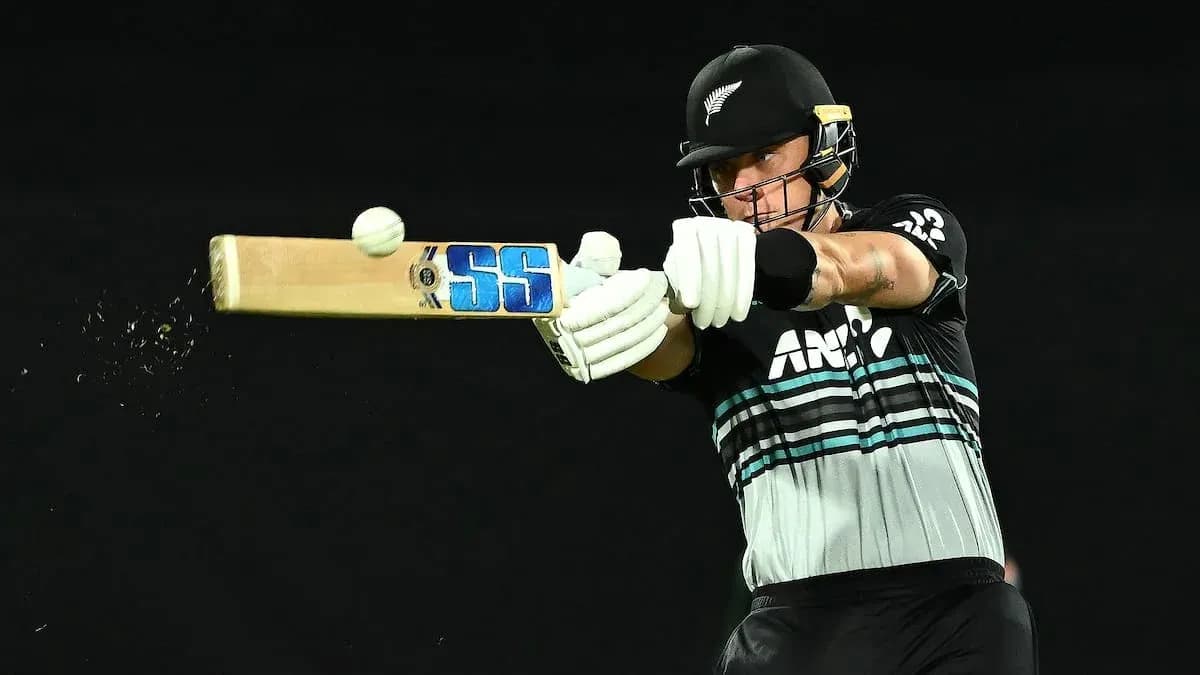
ILT20 Auction 2023: Bigger Stakes and Tighter Rules in Dubai
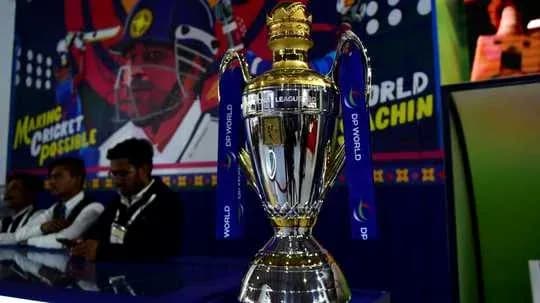
The ILT20 auction is heading back to Dubai, and this time the numbers are bigger, the rules tighter, and the stakes unmistakably higher.
On October 1, inside the ICC Academy’s indoor facility, six franchises will sit down with a combined war chest that could reshape the fifth season of the league. More than 800 players from 20 countries have put their names forward; only about 200 will make the final shortlist. The room will feel a lot smaller by then.
There had been some early uncertainty over the auction date. That noise has now been silenced: October 1 is locked in.
Big purses, strict limits
Each franchise walks in with a fresh auction purse of USD 1,300,000. That sits on top of whatever remains from the USD 700,000 they were allowed to use on direct signings and retentions before the auction.
By the end of the day, the accountants will have clear boundaries. Every team must finish with a spend between USD 1.5 million and USD 2 million, not counting any Wildcard player they may choose to add after the auction. Go under, and you’ve left firepower on the table. Go over, and you’ve broken the rules.
Squad size is just as tightly controlled. Each franchise must build a group of at least 18 and no more than 23 players. Within that, the composition rules tell you exactly what kind of league ILT20 wants to be.
A global league with a regional spine
The overseas quota is not a free-for-all. Each team must sign at least 11 players from ICC Full Member countries. Four of those, at minimum, must be from Afghanistan, and at least one must be from Ireland. That is not a suggestion; it is structural protection for two rising cricket nations that have lit up T20 leagues around the world.
Then comes the regional backbone. Every franchise must include:
- At least four players from the UAE
- At least one player from Kuwait
- At least one player from Saudi Arabia
- At least one additional player from ICC Associate countries, excluding the UAE, Kuwait and Saudi Arabia
The message is clear: this is not just a playground for global stars. It is a platform built to pull an entire region into the glare of franchise cricket.
Base prices and the battle for value
The auction will run off three simple base-price tiers. No one comes in under USD 10,000. Some players will list themselves at USD 40,000, and the top bracket will carry a base of USD 80,000.
Registrations ran from July through mid-September, giving franchises time to scout, crunch data and argue over lists. Now the debate moves from meeting rooms to the auction floor, where misjudging a base price can lose you a player in seconds.
Right to Match: four lifelines per team
The familiar auction drama of “do we let him go?” will be sharpened by the Right to Match (RTM) cards. Each franchise has four, but they are ring-fenced by category.
Teams can use:
- One RTM for a Full Member player (including Afghanistan and Ireland) who played for them in Season 4
- One RTM for an Associate Member player who represented them in Season 4
- One RTM for a UAE player who either played for them in Season 4 or was in their Development Squad for the 2026 ILT20 Development Tournament
- One RTM for a Kuwait or Saudi Arabia player who featured for them in Season 4
Those cards will create some of the day’s sharpest moments. A rival pushes the price up, thinks they’ve stolen a key name, and suddenly the original franchise slaps down an RTM to bring him back in their colours at the final bid.
Replacements and the long season ahead
The auction is only the start. Squads will continue to shift as the season approaches and unfolds.
If a player gets injured, receives an international call-up, or fails to secure an NOC, franchises can bring in a replacement at any point up to the end of the league phase of Season 5. Once the tournament support period begins, every replacement must pass through the ILT20 Technical Committee for approval.
The rules tighten further for mandatory categories. Any replacement for UAE, Saudi Arabia, Kuwait, Afghanistan or Ireland players must come from the original auction registration pool. For players from other nations, teams can look beyond that list.
So the stage is set: a trimmed shortlist, defined roles for regional talent, heavy Full Member presence, and just enough tactical tools to separate the smart from the reckless. On October 1 in Dubai, the chequebooks come out. The question is simple: who will build a champion, and who will spend the season regretting what they let slip away?