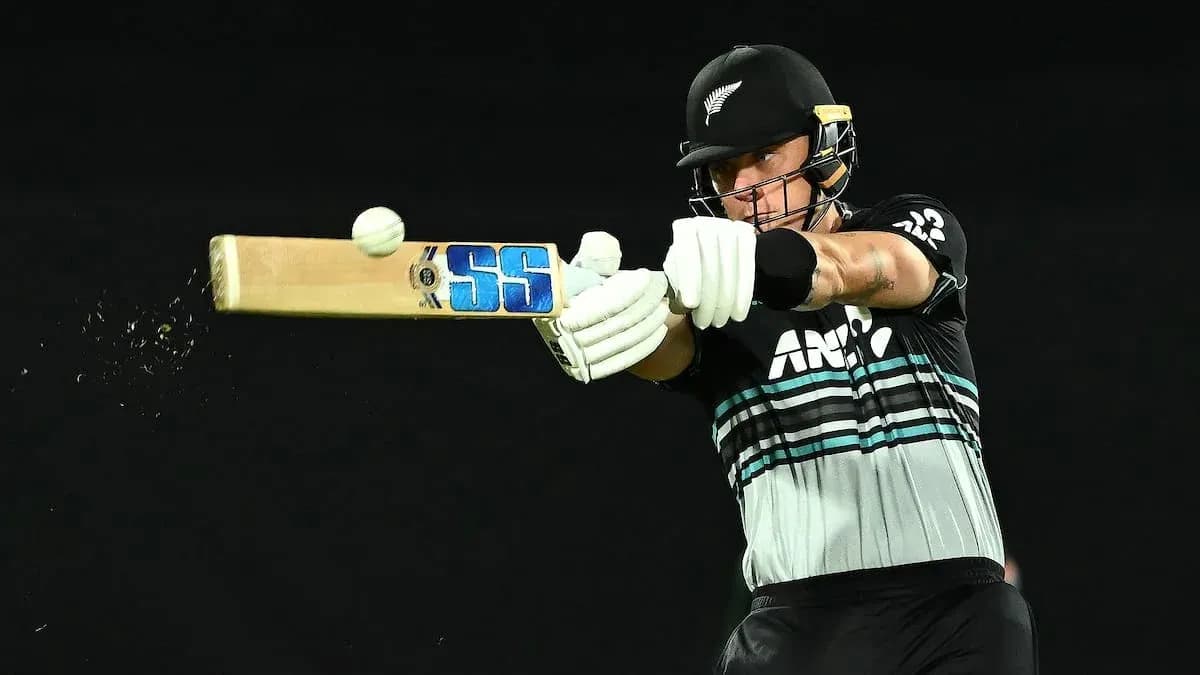
Harry Brook Sets T20I Captaincy Records with Stunning Southampton Century
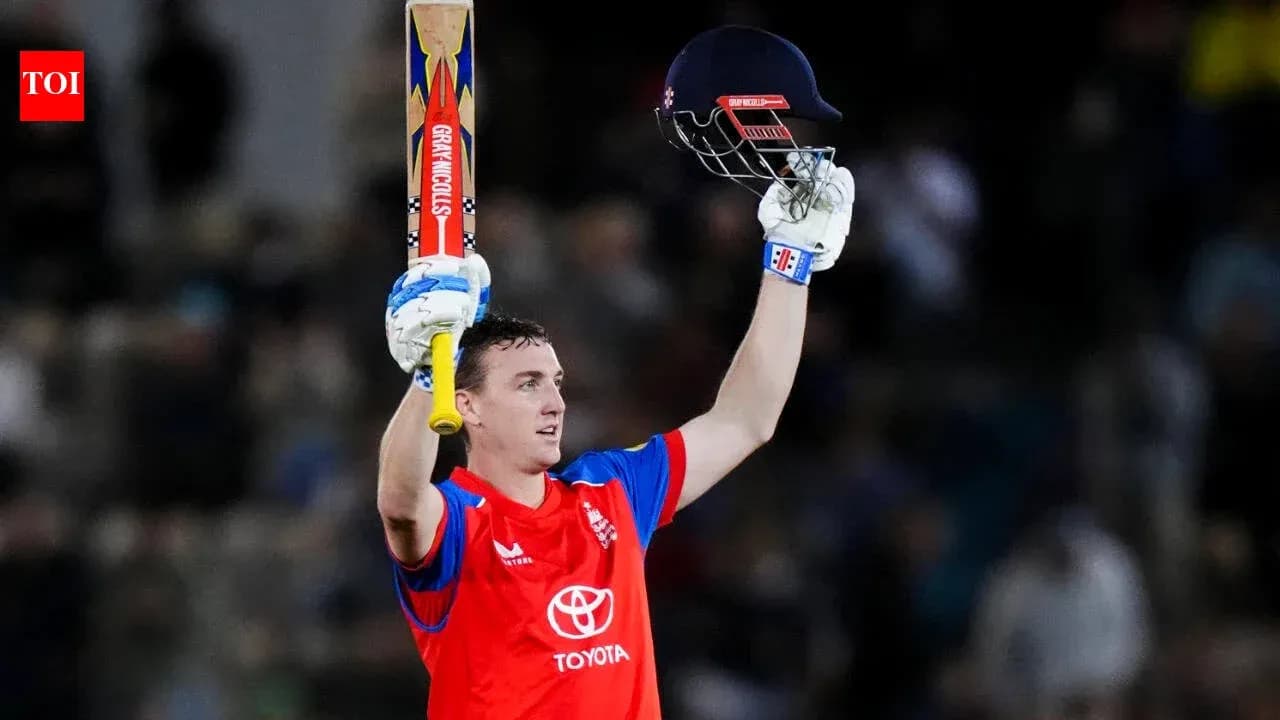
Harry Brook is turning 2026 into his own private highlight reel. On a cool evening in Southampton, under lights that barely had time to warm up, England’s captain tore into Sri Lanka and into the record books with an unbeaten 114 that crackled with intent and authority.
It took him just 42 balls to reach three figures. He finished on 114* from 49. The numbers sound ridiculous because they are.
A captain on a different plane
This was not just another hundred. Brook’s latest masterpiece made him the only captain from a Full Member nation to score two T20I centuries in a single calendar year. No one else has done it. Not in this format. Not as skipper.
Across formats, he now sits alongside some imposing company on the calendar-year captaincy charts. Ricky Ponting’s seven Test hundreds as captain in 2006 remain the gold standard in the longest format. Virat Kohli’s six ODI tons as captain in both 2017 and 2018 defined a generation of 50-over dominance. In T20Is, 2026 now belongs to Brook alone, with his pair of hundreds setting a new benchmark.
He has muscled his way into another elite list as well: most T20I centuries as captain. Brook’s two have come in just 23 innings. Rohit Sharma and Babar Azam, with three each, needed 62 and 78 innings respectively to get there. Brook is not just climbing these lists; he is sprinting up them.
A streak that defies logic
The Southampton hundred did not arrive in isolation. It extended a scarcely believable run of T20I scores.
- 79* off 35 balls against India.
- 95* off 45 against India again.
- 114* off 49 against Sri Lanka.
Three innings. Three unbeaten knocks. A total of 288 runs. An average that cannot be calculated because he simply has not been dismissed. A strike rate of 223.25 that looks like it belongs to a video game, not international cricket.
This is form at its most ruthless. Bowlers know what is coming and still cannot stop it.
Buttler and Brook light the fuse
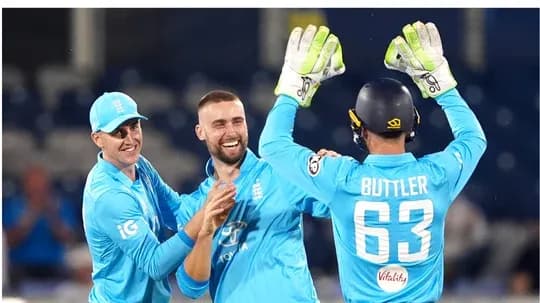
England’s innings had already caught fire before Brook truly exploded. Jos Buttler, the man Brook succeeded as white-ball captain, set the tone with the kind of free-flowing aggression that once defined England’s revolution in limited-overs cricket.
Buttler carved 80 from 44 balls, and when he and Brook came together, Sri Lanka’s attack disintegrated under the weight of clean hitting and relentless tempo. The pair added 128, a partnership that turned a strong start into a total that felt utterly out of reach.
By the time the innings closed on 254, England had turned the first T20I of the three-match series into a mismatch. Brook’s hundred was the centrepiece, the innings around which everything else revolved.
Baker’s burst seals the rout
If Sri Lanka harboured even the faintest hope of a miracle chase, Sonny Baker snuffed it out almost immediately. The young quick hit his lengths hard, hurried batters, and ripped through the top order with figures of 3 for 12 that spoke to both his control and his pace.
Jamie Overton chipped in with two wickets, and England’s attack never loosened its grip. Wickets fell often enough that the chase never gathered rhythm.
Dunith Wellalage swung hard for a 33-run burst that briefly punctured the gloom, and Eshan Malinga added some late resistance, but those were flickers, not a fightback. Sri Lanka were bowled out before they could even see out the full 20 overs, dismissed at the end of the 19th.
The margin – a 119-run victory – told the story starkly. England did not just win; they overwhelmed.
A series in Brook’s image
The scoreboard will record a 1-0 lead in a three-match series. History will remember something else: a captain in white-hot form, bending a format built on chaos to his will.
Brook walked off Southampton not just with another hundred, but with another record – the only Full Member captain to hit two T20I centuries in a calendar year. The question now is not whether he can sustain this level.
It is how much further he can push the limits of what a T20I captain can do.