Gohar Shah's Bold Critique of Pakistan Cricket System
The knives are out in Pakistan cricket again. This time, one of the loudest voices is coming from inside the system.
The Pakistan Cricket Board’s dramatic cull of players and coaches mid-tour has triggered a wave of anger and disbelief, and Multan Sultans CEO Gohar Shah has stepped straight into the storm.
Seven players have been released from the Test squad ahead of the third Test against England at Edgbaston on September 9. Mohammad Rizwan, Imam-ul-Haq, Salman Ali Agha, Ali Usman, Aamer Jamal, Awais Zafar and Khurram Shahzad have all been sent home.
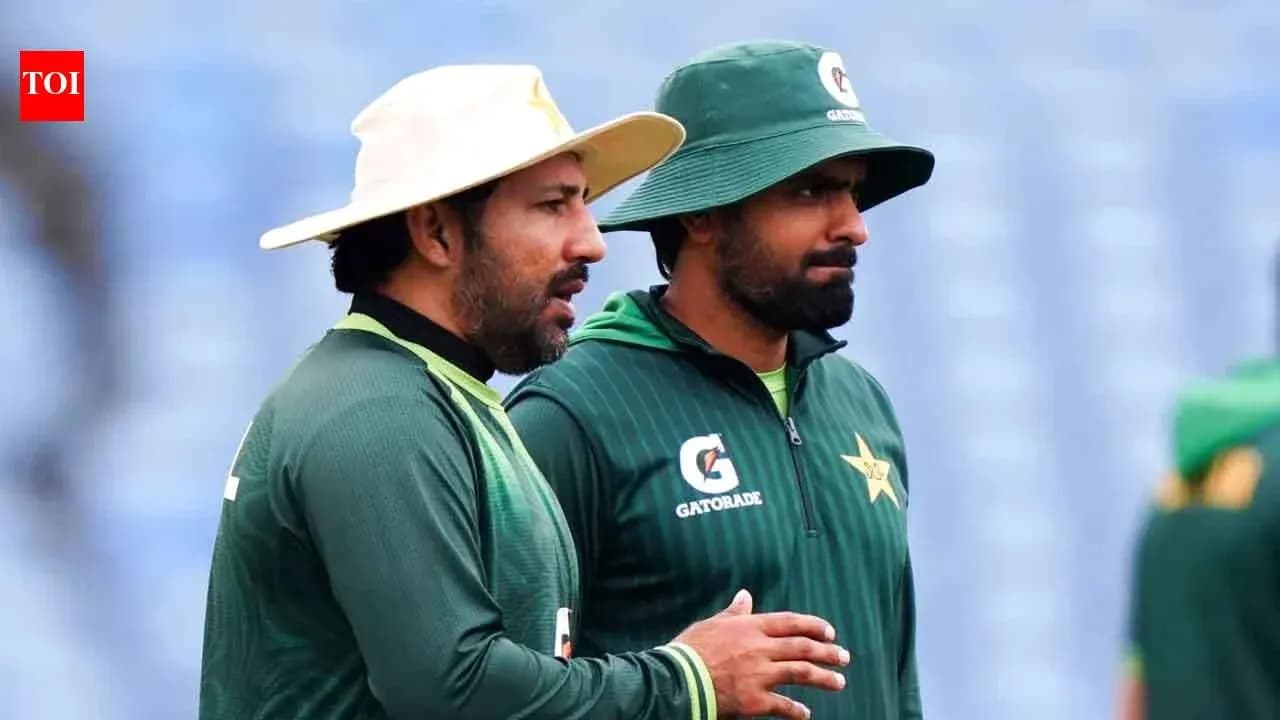
Sarfaraz Ahmed has been removed as head coach. Umar Gul is out as bowling coach. In their place, the PCB has parachuted in white-ball head coach Mike Hesson and bowling coach Ashley Noffke to see out the rest of the England tour.
All this after Pakistan were hammered by an innings and 103 runs in the first Test, then brushed aside by 194 runs at Lord’s. Two bruising defeats. One sweeping reset.
A CEO who won’t stay quiet
Gohar Shah is only 31, with just two first-class matches to his name, but his vantage point is unique: PSL franchise boss, dressing-room insider, and now, very public critic.
On X, he posted a long, unvarnished assessment of Pakistan cricket, fully aware of the risks.
"This may land me in hot water but I owe an honest assessment to Pakistan cricket. I was a fan before I was a stakeholder," he wrote, before laying out what he has "observed from my playing days + actively being involved with the PSL, dressing room and PCB leadership."
Then he went straight for the players’ professionalism.
Late nights. Junk food. Poor discipline.
"Late nights and junk food are common. Now I understand living on hotel food and being stuck for 6 weeks is tough, but the word ‘professional’ has to mean something," he wrote.
He questioned not just lifestyle but attitude, particularly in the longest format. For Shah, the lack of intensity in Test cricket is not a minor concern; it cuts to the heart of what the team stands for.
"No one wants to do the tough yards. It’s a mentality thing," he said, before pointing to specific moments during the current series. "Like for instance a few times in the test match after a long spell the pace bowlers didn’t run after the ball. What are you saving your legs for? The test match ended in 2.5 days…"
In other words: if you can’t chase the ball in a Test that barely lasts three days, what exactly are you preserving yourself for?
‘Job first, Pakistan later’
Shah did not stop with the dressing room. He widened the lens to take in almost everyone orbiting Pakistan cricket: journalists, ex-players, the PCB itself.
On the media, he painted a picture of a landscape driven by personal preference and access rather than hard analysis.
"Journalists all pushing their own agendas, And they build narratives on who they like / who caters for them more I.e these things may or may not be leaks , gifts, favours."
The accusation is blunt: coverage shaped not by performance, but by relationships.
Former players came under fire too. Shah acknowledged a small group who have earned coaching badges and qualifications, then turned on the rest.
"Barring a few who actually worked and got their coaching badges and qualifications most find it more comfortable to go on tv and just iterate the problems. No one presents the solutions nor goes out there and gets the experience / qualifications to contribute."
It’s a familiar charge in Pakistan cricket: endless talk, very little structural work.
Then came perhaps his most damning line, aimed squarely at the culture inside the PCB.
"The board is too bureaucratic. Everyone fears to speak their mind because they worry about backlash and their jobs."
That single sentence captures a system where survival instincts trump honesty. Where silence is safer than reform.
"There are people that genuinely wanted to help," he added, "but when they see their efforts go no where they stop trying and just settle for their paycheck."
Job first. Pakistan later. That, in Shah’s view, is the rot.
The PSL puzzle and a broken incentive
Shah also turned his attention to the Pakistan Super League, the competition that was supposed to be the engine of modernisation and talent development.
From the outside, PSL franchises look like powerful, stable entities. Shah’s take is more cynical, and more revealing.
"10 year lease, you grow the brand, only to give it back to the PCB. So why would you grow if you see none of the benefit? Only the bills."
It’s a harsh assessment of the model: owners asked to invest in a product they ultimately do not own, expected to build value they cannot fully keep.
He went further, attacking retention rules and category changes that, in his words, undermine the very work franchises put into scouting and developing players.
Owners, he argued, "invest in players and talent hunts only to lose them due to retention rules and category changes that are agenda driven."
The message is clear. If you keep moving the goalposts, don’t be surprised when investors stop sprinting.
Criticism with a heartbeat
For all the sharp edges, Shah’s post did not read like a man walking away. It read like someone who feels trapped inside a system he still cares about.
"Pakistan cricket will always be in my heart," he wrote, signing off with a plea rather than a threat. "Pray for us to go back to being the best. Not just good or competitive, but the best."
The PCB’s sweeping changes in England have already exposed deep fault lines: between coaches and board, between players and expectations, between what Pakistan cricket is and what it still thinks it should be.
Shah has chosen to say the quiet part out loud. The question now is whether anyone inside Pakistan cricket is brave enough to act on it.